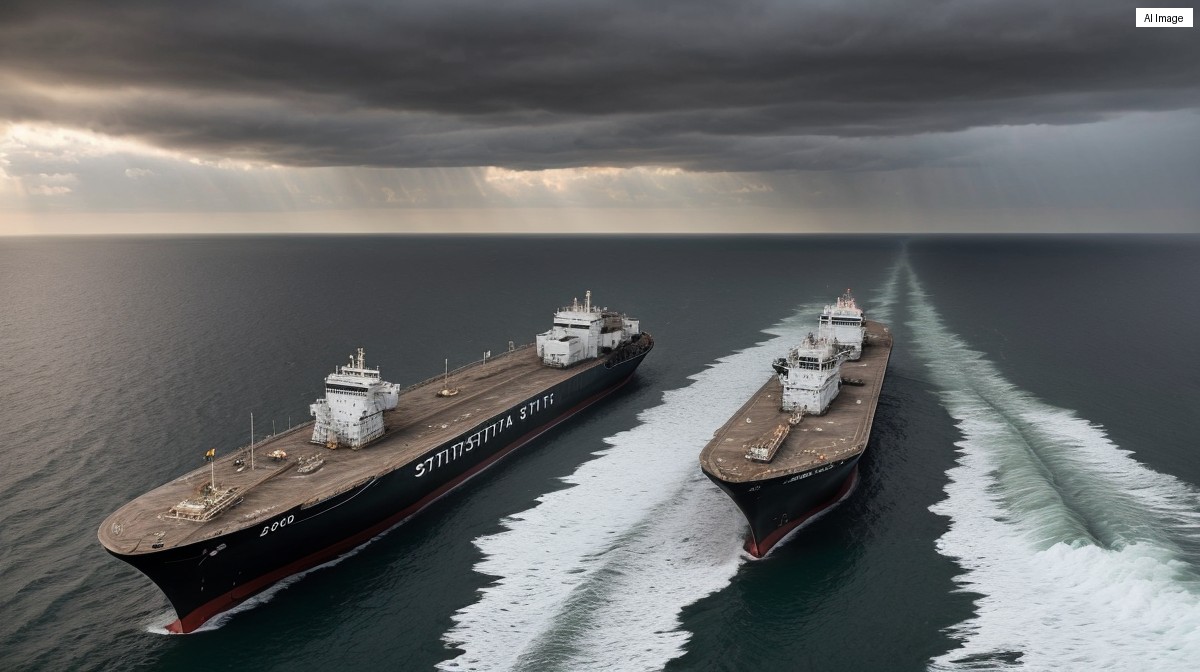
American consumers are facing the sharpest fuel price spike in years as national gas prices approach record territory, driven by the ongoing disruption of oil shipments through the Strait of Hormuz. Bloomberg reported Saturday that average prices at the pump have surged past levels not seen since the summer of 2022, with further increases expected as the crisis in the Persian Gulf shows no signs of resolution.
The economic fallout from the Hormuz blockade is rippling through the entire American economy. CNBC reported that global oil stockpiles could hit record lows if the strait remains effectively closed to commercial traffic, a scenario that would push prices even higher and potentially trigger a broader economic downturn. More than 20 percent of the world's oil supply normally transits the narrow waterway between Iran and Oman.
For the Republican Party, the timing could not be worse. House Speaker Mike Johnson acknowledged the political dimensions of the crisis in remarks to reporters, linking the Strait of Hormuz situation directly to Republican midterm prospects. Johnson argued that voters understand the price spikes are a consequence of the Iran conflict rather than domestic policy failures, but polling suggests that message is not resonating with the electorate.
A CBS News poll released this weekend found that a majority of Americans voice frustration with the Trump administration's handling of the economy, with gas prices cited as the single most pressing concern for households. The survey showed that even Republican voters, who broadly support the president on foreign policy, are growing increasingly uneasy about the domestic economic consequences of the confrontation with Iran.
Major retailers are already feeling the impact. MarketWatch reported that Walmart and Target are preparing to reveal just how dramatically shopping habits have changed as a result of the energy crisis when they release quarterly earnings next week. Analysts expect both companies to report significant shifts in consumer behavior, with households cutting discretionary spending to cover higher fuel and utility costs.
The New York Times characterized the situation as a test of voter patience, noting that soaring prices are creating a political paradox for the administration: the Iran conflict that is driving the economic pain also enjoys broad bipartisan support in Congress, leaving voters with no clear alternative on foreign policy but increasingly willing to punish incumbents at the ballot box over kitchen-table economics.
Democrats have seized on the economic pressure to push for a windfall profits tax on major oil companies, which Newsweek reported are posting record earnings even as consumers struggle. The proposal faces long odds in the Republican-controlled Congress, but it gives Democrats a clear contrast heading into November's elections.
Senator Lindsey Graham, a close Trump ally, argued that the economic pain is an unavoidable consequence of confronting Iran and that maintaining the status quo in the strait would be far more costly in the long run. However, Graham's framing of the issue as a wartime sacrifice has drawn criticism from both sides of the aisle, with The Independent reporting that his comparison to Churchill-era rationing was met with ridicule by opponents who argue the administration failed to adequately prepare for the economic impact of its Iran strategy.