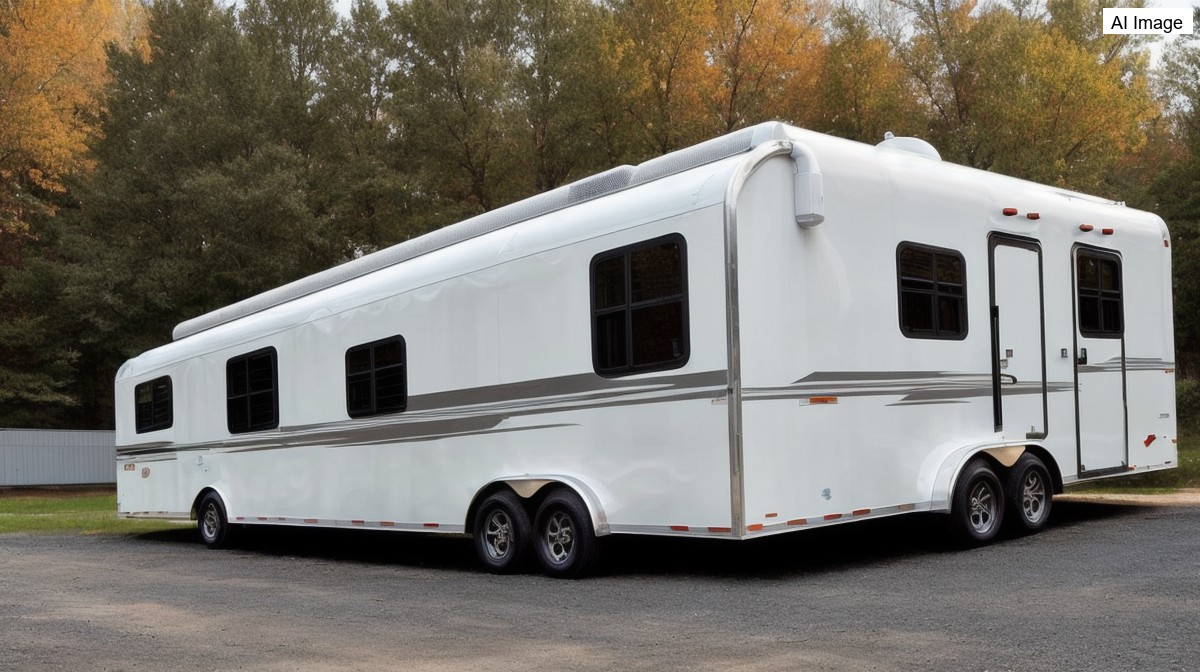
Sutter Health has launched what it describes as California's first full-scale mobile simulation lab, a roving training facility designed to bring immersive clinical instruction directly to medical staff who might otherwise have to travel long distances to reach a dedicated training center. The unit was shown off during a tour in Sacramento, offering a first look at how the program is meant to work.
At the heart of the initiative is a 44-foot lab built on wheels, allowing it to be driven to where care teams are based rather than requiring those teams to come to a fixed site. Organizers say the mobile approach is intended to reach hospitals and clinics across rural, suburban and urban communities, extending the same level of preparation to staff regardless of where they practice.
The lab is built around the idea of realistic, hands-on rehearsal. It is designed to recreate real-life clinical scenarios in a controlled environment, allowing teams to practice their response to high-pressure situations without any risk to actual patients. The goal is to let clinicians build muscle memory and coordination before they encounter the same circumstances in a live setting.
Among the situations the lab can simulate are a patient in intensive care, a pediatric case and other demanding scenarios that care teams may face on the job. By reproducing these conditions on demand, the program lets staff rehearse the steps and teamwork that complex cases require, reinforcing the kind of split-second decision making that can be difficult to teach through lectures alone.
Inside, the mobile facility is organized much like a permanent training center. It includes two simulation rooms where the scenarios play out, along with two control rooms from which instructors can run and adjust each exercise. A dedicated debriefing space rounds out the layout, giving teams a place to review their performance and talk through what went well and what could be improved.
The lab is also equipped with lifelike training mannequins that span a wide range of patients, from newborns through to adults. The collection includes birthing models and geriatric models, allowing instructors to tailor the training to the full spectrum of patients a care team might treat, from the very start of life to its later stages.
By putting that capability on the road, Sutter Health is presenting the mobile lab as a way to deliver advanced, immersive training directly to the communities it serves rather than concentrating it in a single location. Bringing the unit to rural, suburban and urban care teams alike marks a notable step in how the health system plans to keep its clinical staff prepared across a large and varied service area.