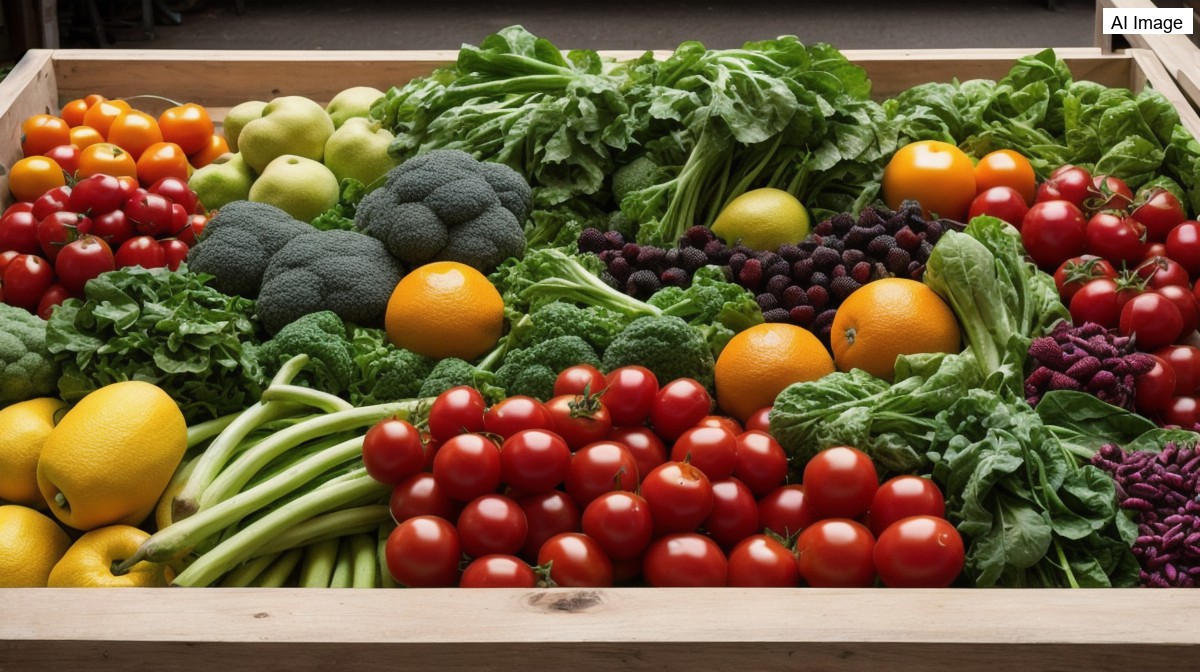
A parasitic infection that can trigger weeks of debilitating illness is spreading across the country, with the Centers for Disease Control and Prevention now tracking more than 3,000 cases of cyclosporiasis nationwide. The infection, caused by a microscopic parasite called cyclospora, is spread through contaminated food or water, and health officials say the current wave has reached South Florida, adding to a national outbreak that has been building for weeks.
In Florida, the state Department of Health has reported a cluster of confirmed infections. According to the latest figures, Broward County has recorded five cases of cyclosporiasis, while neighboring Miami-Dade County has nine, giving the two-county area a visible share of the illness even as the parasite circulates in many other parts of the United States.
The symptoms of cyclosporiasis can be severe and long-lasting. Health officials list loss of appetite, weight loss, abdominal cramping, bloating, nausea and fatigue among the most common signs, and some patients develop a low-grade fever. The hallmark, doctors say, is watery and often explosive diarrhea that can persist for days or weeks and lead to dangerous dehydration if it is not treated.
So far, investigators have not pinpointed the exact source of the current outbreak. However, fresh produce has historically been behind similar episodes, and doctors point to food handling and the growing volume of imported fruits and vegetables as a likely factor. The parasite is not easily passed directly from person to person, which means contaminated food and water remain the central concern for public health authorities.
The timing fits a familiar seasonal pattern. The CDC notes that cases of cyclosporiasis tend to climb during the spring and summer months, and this year officials mark the beginning of the outbreak season as the first of May. Since then, reports have accumulated steadily across multiple states, pushing the national total past the 3,000 mark and prompting renewed warnings to consumers.
To lower the risk of infection, doctors are urging simple but consistent precautions. The main advice is to wash all fresh fruits and vegetables thoroughly and to wash hands correctly and often, rather than relying on hand sanitizer, which health officials say is not enough to remove the parasite. Anyone who develops persistent diarrhea or the other warning signs is being advised to see a doctor, since the infection can be diagnosed and treated.
For residents of Broward and Miami-Dade, the outbreak is a reminder that a common summer illness can turn serious, particularly for children, older adults and people with weakened immune systems who are more vulnerable to dehydration. Authorities say they will continue to monitor new cases and trace the possible source, while stressing that careful food hygiene at home remains the best defense until the origin of the contamination is confirmed.