New York City Council Speaker Julie Menon says the City Council will hold an emergency oversight hearing into the deadly Legionnaires' disease outbreak on the Upper East Side, as she disclosed that 51 buildings have now tested positive for the bacteria and faulted the city's response as too slow. Five New Yorkers have died in the outbreak, a toll the speaker called unacceptable as the case count continued to climb.
Menon said 51 buildings had come back positive on culture tests, including some that initially tested negative before later returning positive results. The council's focus, she said, is on ensuring that every single tower is brought into compliance with the health commissioner's order to test and disinfect the water-cooling systems tied to the cluster of infections.
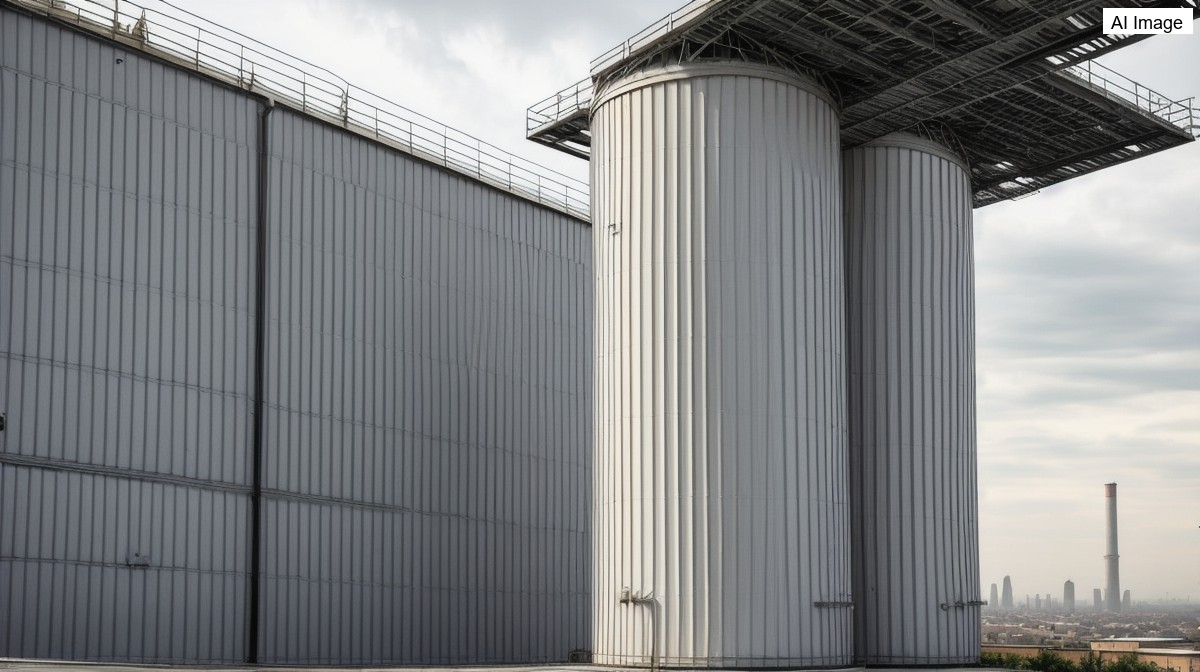
One of the biggest concerns, the speaker said, is that about 25 percent of the buildings in the three affected zip codes had never been compliant with the city's cooling-tower rules in the first place. That gap, she indicated, is among the issues the council wants to examine as it tries to understand how the bacteria was able to spread so widely through the neighborhood.
To dig into those questions, the council plans to hold an emergency oversight hearing in a couple of weeks, aimed at establishing how the outbreak unfolded and how a repeat can be prevented. Menon said the goal was to get to the bottom of an outbreak that has already cost five New Yorkers their lives, describing that outcome as something the city cannot accept.
The speaker pointed to the timeline as a central worry. She said the first cases emerged around July 2nd, when building owners were first instructed to begin cleaning, but that after the health commissioner's orders to disinfect, it took a number of days before the work actually got underway. Each day of delay, she argued, meant more people were exposed while the response lagged behind the spread.
In response, Menon said the council is looking at new legislation on several fronts. The proposals would speed up the timeline for disinfecting affected buildings, require greater communication with the public about which towers have tested positive, and set clearer guidance around prevention, all intended to close the gaps that the current outbreak has exposed.
The speaker said one of the top concerns she heard from residents involved the danger to immunocompromised New Yorkers and others in vulnerable households, who in many cases did not know which nearby buildings had tested positive. The council's push for faster disinfection and clearer public notice, she said, is meant to give those families more information and more protection as the outbreak continues to be investigated.