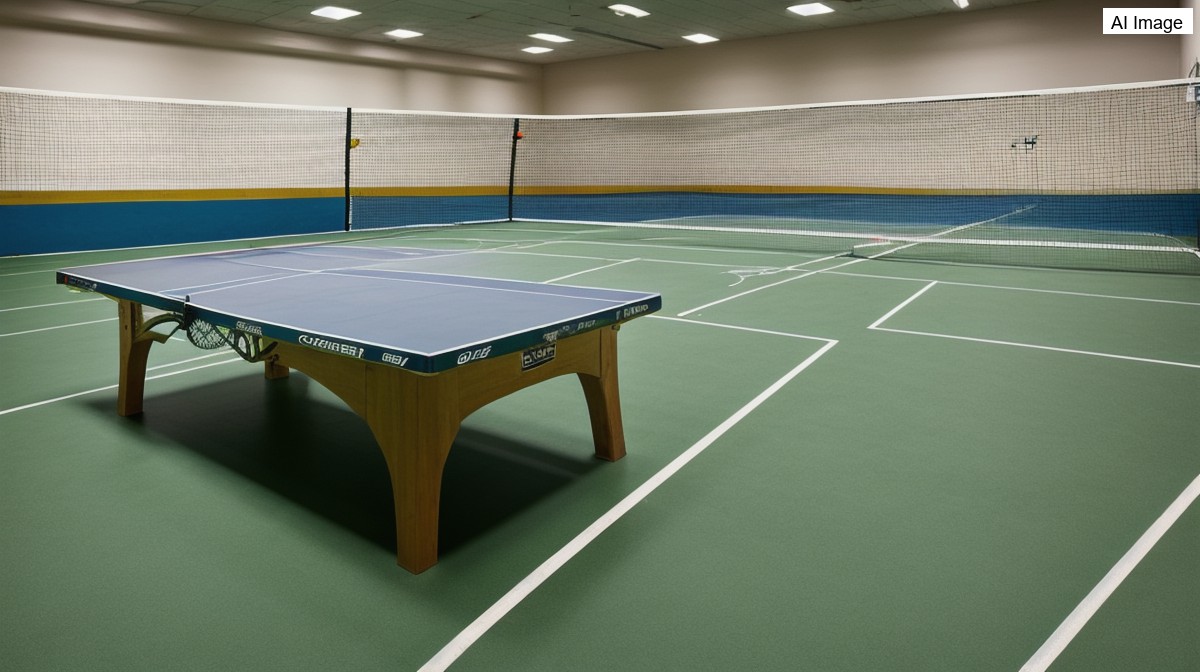
What began as a modest weekly gathering around a table tennis table in Westchester County, New York has grown into a global movement that is transforming the lives of people living with Parkinson's disease in ways that no pharmaceutical intervention alone has been able to achieve. The programme, run by a local nonprofit, now operates more than four hundred chapters spread across thirty-one countries, making it one of the most widely adopted non-medical therapies for the progressive neurological condition.
At the Westchester Table Tennis Center where the initiative was born, weekly sessions go far beyond simply hitting a ball back and forth across the net. Participants engage in a carefully designed programme that weaves together ping pong rallies with activities targeting other Parkinson's symptoms, including group singing to strengthen vocal projection, facial expression exercises to combat the mask-like rigidity the disease can impose, and juggling drills that challenge coordination and reaction speed.
The results, while not a cure, can be startling to witness. People who arrive at the centre in wheelchairs routinely stand up and play competitive rallies, smashing the ball with a force and precision that belies their diagnosis. The physical act of tracking a fast-moving ball, positioning the body to return it and executing a paddle stroke activates motor circuits in the brain that Parkinson's progressively degrades, offering a form of intensive physical therapy disguised as recreation.
For one participant identified as Nenet, who has become a vocal advocate for the programme, the message he carries to every new player who walks through the door is rooted in personal experience. He tells them that Parkinson's is not a slow death sentence and that with the right community and the right activities, it is a condition that can be managed with dignity, purpose and even joy. He emphasises that no prior table tennis skill is required to benefit from the sessions.
The programme's extraordinary international expansion has been driven almost entirely by word of mouth, as patients and carers who experience the benefits return to their home countries and establish local chapters modelled on the Westchester original. The organic growth across thirty-one nations from a single suburban New York basement speaks to a universal truth about Parkinson's care: that human connection, physical challenge and the simple pleasure of play can accomplish what clinical settings alone often cannot.