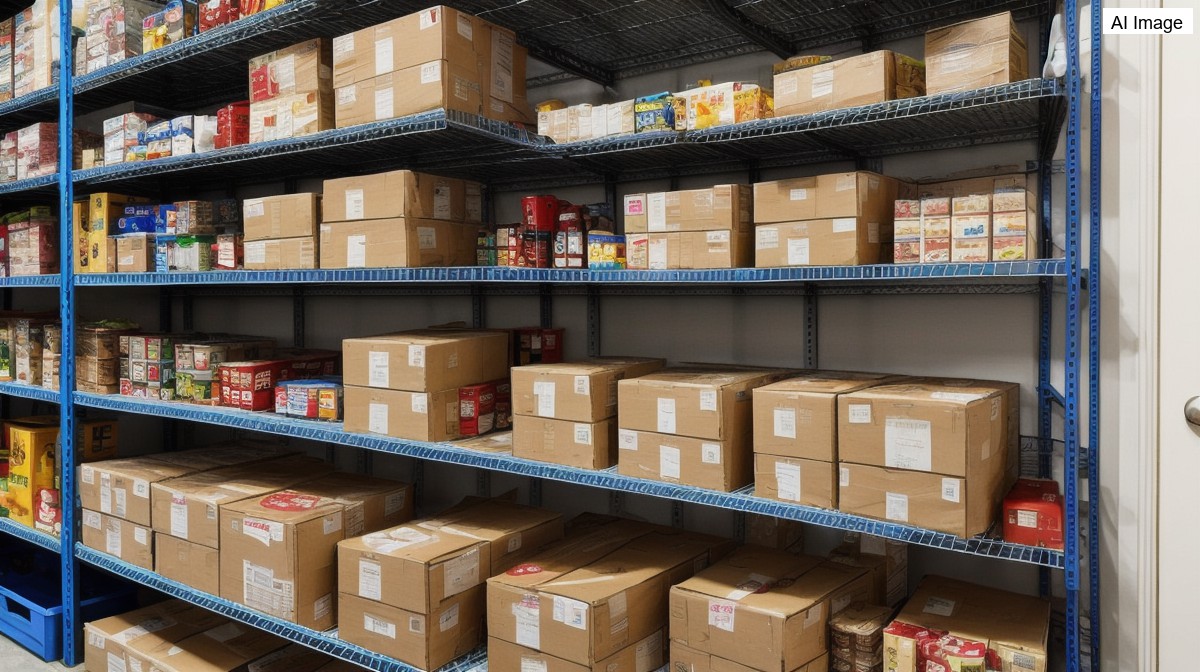
Thousands of people in Connecticut who are losing their SNAP food benefits are being offered a lifeline, with the state preparing to send out $300 grocery cards, News 12 reported. The move comes as food banks across the region report a sharp rise in people seeking help, and as questions grow over whether a one-off payment can make a lasting difference for families squeezed by changes to the federal food assistance program.
At the Food Bank of Lower Fairfield County, workers said they were scrambling to keep up with demand, describing themselves as immensely busy and pointing to a massive expansion in their operations over the last 18 months. Executive director Duncan Lawson said demand had climbed by 20% ever since the new rules for SNAP food benefits began to take effect, stretching an organisation that was already operating at full capacity.
Lawson pushed back on the idea that hardship does not exist in the wealthier corners of the region. He said people seem to think there are no people in need in these areas, from Greenwich through to the Westport and Wilton communities, but that this assumption is simply not true. His comments underlined how the squeeze on food benefits is reaching households even in some of the most affluent parts of Connecticut.
In response, the state is stepping in with a round of one-time relief aimed at those most affected by the changes. Officials said 25,000 people who are losing their SNAP benefits will each receive a $300 grocery card, a measure described as something that will help families, help children and help seniors. The cards are intended to cushion the immediate impact as recipients adjust to the new requirements.
The federal changes driving the situation have been defended by the Trump administration, which says the new rules will root out fraud and has argued that SNAP, in its current form, is a broken program. Supporters of the overhaul frame it as a way to tighten eligibility and reduce abuse of the system, while critics question whether the practical effects fall hardest on those with the fewest options.
Under the new requirements, parents with children aged 14 and older, people without a home and able-bodied veterans must now spend 80 hours a month working, taking job training classes or volunteering in order to keep their benefits. One observer noted the difficulty this creates in areas where there may be only one major employer within a 25 or 30 mile radius, warning that such an employer could not realistically take on every single person required to find work.
For food banks such as the one in Lower Fairfield County, the extra money will help, but only for a short time, and staff said they were already looking for a more permanent solution. That could include a state-level food program to sit alongside SNAP, which is paid for by the federal government, with one voice suggesting the state could do a little better. Reporting from Stamford, News 12's John Craven said the organisations would keep feeding families one meal at a time while officials weigh longer-term options, and the broadcaster pointed residents to its app and website to check whether they still qualify.