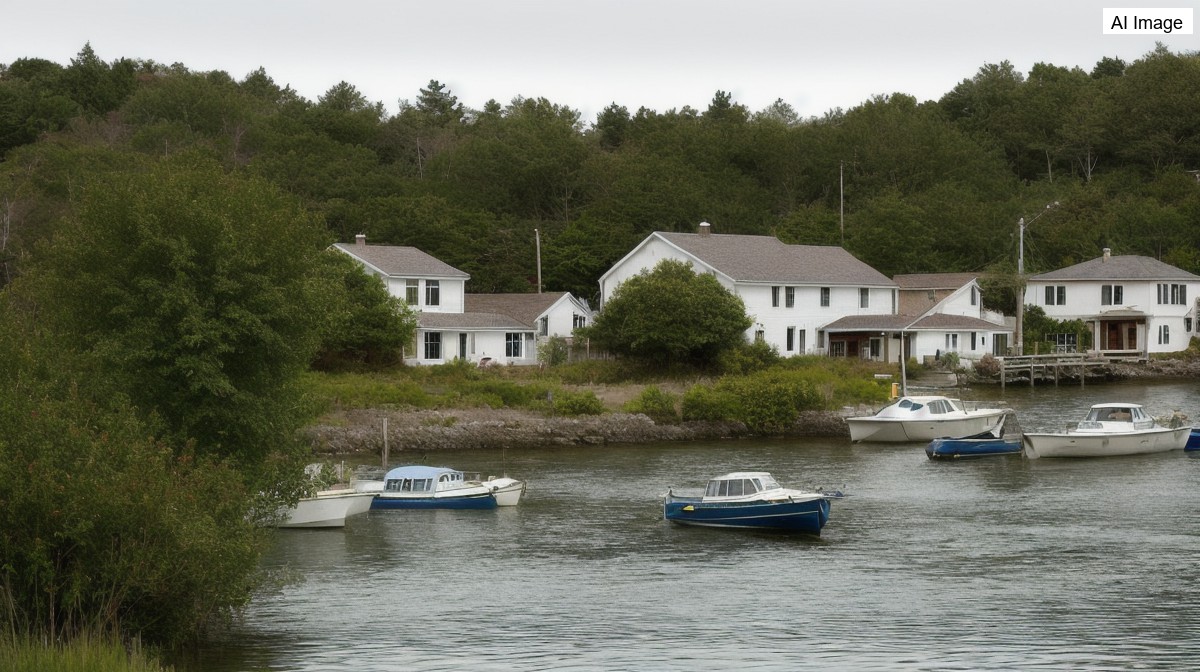
The small Long Island village of Bayville held an election on Tuesday with an unusual problem at its heart: no one was officially running for mayor. A home to about 7,000 people on the North Shore, the waterfront community known for its beachfront and relaxed vibe found itself heading to the polls without a single name at the top of the ticket for its top job.
According to a public notice, no candidates had filed the petitions required for the office of mayor, a four-year term, and the same was true for a third trustee seat, also for four years. The village's outgoing leader had decided he did not want another term, and with no replacements formally on the ballot, the contest was left wide open.
That left residents to rely on a write-in process to choose their next mayor. By one account, a potential candidate decided at the last second not to run, and the timing of that announcement left others unable to gather petition signatures in time. As a result, anyone hoping to lead the village would have to be written in by voters rather than selected from a printed list.
Into that vacuum stepped a crowd of hopefuls. By one local count, around 11 people had come forward to say they were interested in being mayor, among them resident Kevin Casey. Some saw the surge of interest as a healthy sign of civic engagement rather than dissatisfaction, while others worried that an open free for all had drawn in people they felt were unqualified or simply unprepared for the job.
The position itself is not an especially glamorous prize. The mayor of Bayville is paid a 45,000 dollar annual stipend, and more than one resident described it as a thankless job, lamenting what they saw as apathy among younger residents toward local public service. Even so, the unusual circumstances appeared to have energized parts of the community, with some saying it had pushed people to think harder about what was happening in their village.
On election day, voters made their way to the local fire department to cast their ballots, with voting set to run until 9 o'clock in the evening. Because the race depended entirely on write-ins, poll workers said they would count the ballots by hand once the polls closed. For a quiet North Shore town of a few thousand people, the contest had become an unlikely test of how a community fills a leadership void when no one steps up in the usual way.