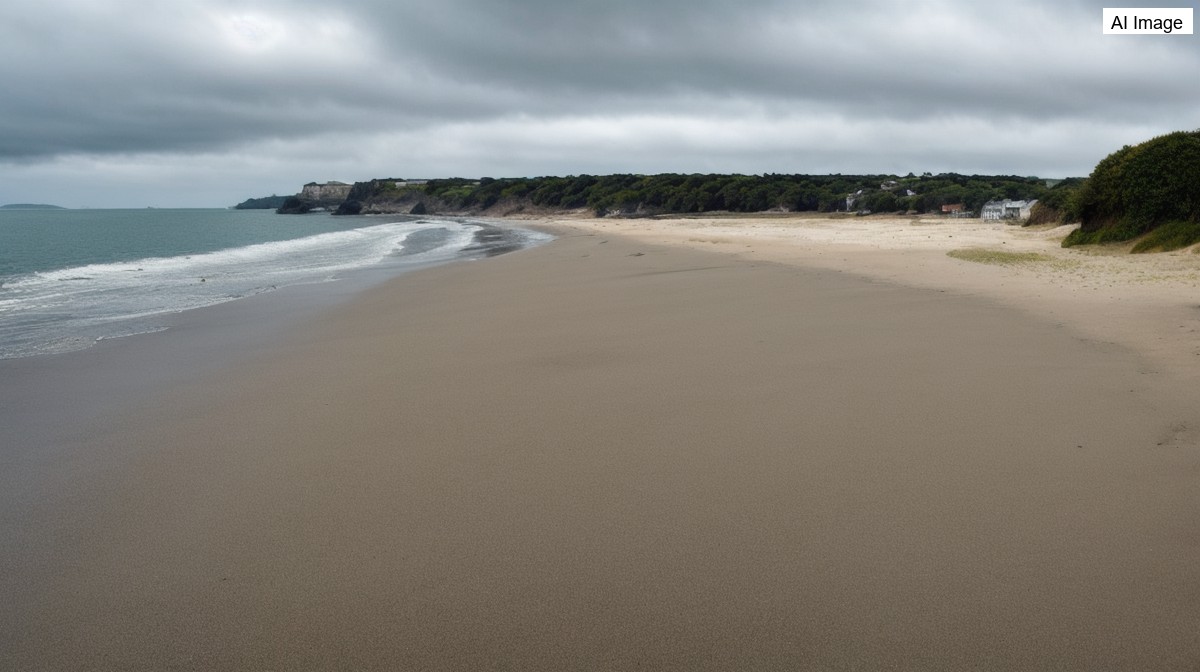
U.S. Defense Secretary Pete Hegseth used a visit marking the 82nd anniversary of D-Day to deliver a pointed political message, warning that Europe faces what he called an invasion of dangerous ideologies arriving by sea. He made the remarks earlier in the day in Paris before traveling to Normandy, where Allied forces landed in 1944 and where he met with service members.
In his comments, Hegseth tied the issue of immigration directly to the legacy of the D-Day landings. By connecting the wartime sacrifice commemorated in Normandy to present-day concerns about migration, he framed the anniversary not only as an act of remembrance but as a warning about the challenges he argued Europe is facing in the present day.
For those who were in the room, the remarks appeared to echo criticisms often made by the administration of President Trump about Europe. Rather than a purely ceremonial tribute, the speech carried the tone of the broader political arguments that Washington has repeatedly directed at its European allies in recent months and years.
Central to those arguments is the view that Europe is hampered by weak defenses. Hegseth's framing of an invasion of dangerous ideologies arriving by sea fit squarely within that long-running line of criticism, which casts the continent as unprepared to deal with the threats Washington says it faces from beyond its borders.
The administration has also accused Europe of an inability to tackle immigration, a theme that ran through Hegseth's remarks in Normandy. By placing migration at the heart of a speech tied to the D-Day commemorations, he elevated it from a domestic policy question into a matter that, in his telling, touches on the continent's security and identity.
Beyond defense and migration, Washington has pointed to what it describes as needless red tape and to the censorship of far-right and nationalist voices, which it argues is used to keep such movements from power. Hegseth's remarks placed the immigration debate alongside those wider complaints about how Europe governs itself and manages political dissent.
The setting gave the comments added weight. Speaking around the commemorations in Normandy, where he met with service members on the anniversary, Hegseth turned a solemn occasion into a platform for one of the administration's recurring themes, drawing a direct line from the events of June 6, 1944, to the debates over immigration and ideology in Europe today.