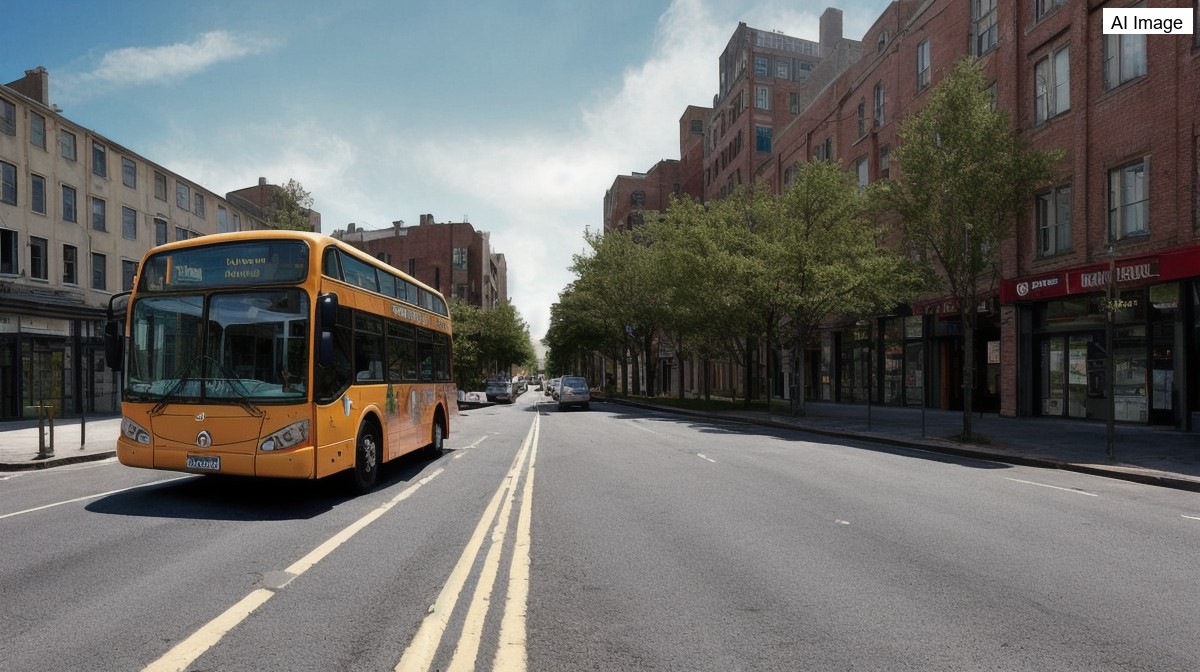
New York City's buses are among the slowest in America, and city and state leaders say riders should not have to keep waiting for them. On Tuesday, officials laid out an ambitious plan they say is meant to fix exactly that, promising faster and more reliable service across the five boroughs.
Standing in Fort Greene, Brooklyn, surrounded by transit advocates, the Mamdani administration and Governor Kathy Hochul unveiled what they are calling the Next Stop transit action plan, describing it as a blueprint for a bus system built around dedicated rapid service and infrastructure improvements that put riders first.
At the heart of the plan is a specific target. Officials said the goal is to increase bus speeds by 20% along 50 priority corridors across the boroughs, pointing to stretches such as Church Avenue in Brooklyn as the kind of route the effort is meant to improve.
The initiative carries a significant price tag. According to officials, the more than 880 million dollar investment would fund new dedicated bus lanes, expand traffic signal priority so buses spend less time idling, and pay for accessibility upgrades at bus stops across the city.
City officials framed the plan as a matter of equity and access, saying the improvements would help ensure that 90% of New Yorkers live within easy reach of transit options. They said they want every bus stop to be accessible, with seating and shelters added at as many stops as possible.
Not everyone, however, is on board. The transit workers who operate the buses said they were being left out of the conversation, and members of TWU Local 100 rallied outside the news conference to make their objections heard as officials spoke.
The union said its members had been working without a contract since the middle of May, and it dismissed the event as a disingenuous photo op, arguing that the people who actually drive the buses should be central to any plan to improve the system rather than an afterthought.
The plan also left open a bigger question from Mamdani's campaign. On the trail, he had promised free buses, but the Next Stop plan addresses only part of that vision, focusing on speed, reliability and accessibility rather than fares. The future of fare-free service remains uncertain, particularly as the MTA's chair and chief executive, Janno Lieber, has previously voiced opposition to making buses free.
Officials also identified where the effort would begin. They said the first rapid-service routes would include Tremont, the Cross Bronx, Northern Boulevard, Flatbush Avenue and Utica Avenue, along with a Kensington-to-JFK route that runs through Brooklyn and Queens, all among the 50 priority corridors the plan targets across the boroughs.