President Donald Trump has signed proclamations that sharply cut the size of two national monuments in Utah, reopening a long-running fight over how much of the state's public land should be locked away under federal protection. The signing took place at a White House ceremony attended by Utah's governor and senior Interior Department officials, and reversed expansions that previous administrations had put in place.
The scale of the reduction is substantial. According to the administration, Trump signed two documents, each close to a million and a half acres, together stripping monument status from almost three million acres. Officials framed the action as a right-sizing of the monuments rather than an elimination of protections, saying it would make the areas more manageable.
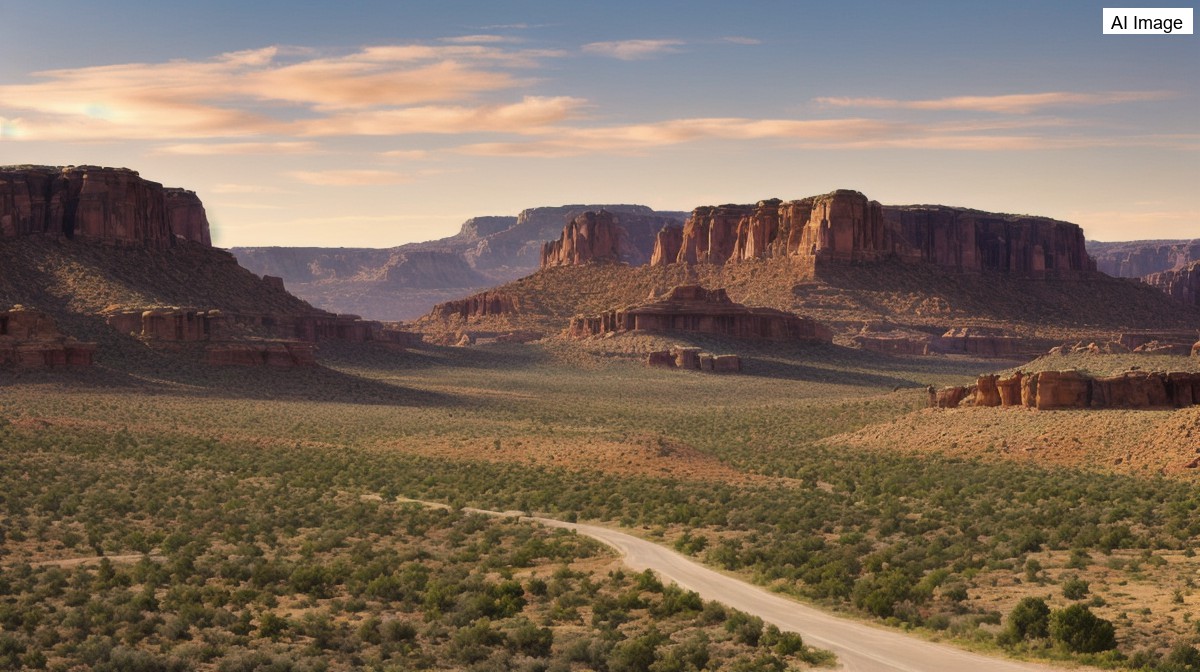
The monuments at the center of the decision are among the best known in the American West. According to the account, the action targets the Grand Staircase-Escalante and Bears Ears monuments in Utah, vast areas of canyon and desert that have been the subject of repeated political battles as successive presidents have expanded and shrunk their boundaries.
The administration built its case around the original purpose of monument designations. According to officials, the monuments were meant to cover relatively small areas, on the order of 700 to 7,000 acres rather than millions, and the changes do not remove other protections that already exist in those areas but simply bring the monuments back in line with what they said the law intended.
Officials leaned heavily on the history of the law that made the monuments possible. According to the Interior Department, the Antiquities Act is 120 years old, and the very first monument created under it was only 1,200 acres. Under the act, Congress gave presidents the power to designate monuments by executive proclamation, but it was meant to cover the smallest area compatible with protecting the objects in question.
The move is the latest swing in a policy that has flipped repeatedly between administrations. According to the account, Presidents Clinton, Obama and Biden increased the acreage of Utah's monuments, in the administration's telling locking up more than three million acres, while Trump had already taken a similar shrinking step during his first term before the monuments were re-expanded under the following administration.
For Utah's leaders, the change was cast as a win for the state. According to the account, the Utah governor called the signing a big day for Utah, arguing that the designations had placed large areas off limits, and the administration said the smaller monuments would allow the land to be used more freely while insisting that existing safeguards for the sites would remain in place.