Two teenagers, aged 17 and 18, have been identified as the perpetrators of a fatal hate crime in San Diego that claimed the life of Amin Abdullah, a beloved father of eight children. According to investigators, the two suspects first connected online before discovering that they both lived in the San Diego area and arranged to meet in person. Federal and local law enforcement officials say the pair became radicalized through online channels, consuming extremist content that ultimately drove them to carry out the deadly attack against Abdullah, whose community has been left devastated by the violence.
Investigators have recovered a 75-page manifesto written by the two suspects, with each teenager reportedly authoring roughly half of the document. The manifesto explicitly named the gunman responsible for the 2019 Christchurch, New Zealand mass shooting as one of their so-called heroes, revealing the depth of their radicalization and the extremist ideology that motivated the attack. The document is now a central piece of evidence as authorities work to understand how two young people descended into violent extremism and whether others may have influenced or assisted them along the way.
Law enforcement is also investigating the possibility that the attack was live-streamed on the internet. Authorities say they are working to authenticate what appears to be footage broadcast in real time during the assault, a tactic that has been employed by other extremist attackers in recent years to amplify the reach of their violence. The suspects' internet activity, including their browsing history, social media accounts, and any participation in extremist forums or encrypted messaging platforms, remains a key area of focus for the investigation as officials seek to map out the full scope of the radicalization pipeline that led to this tragedy.
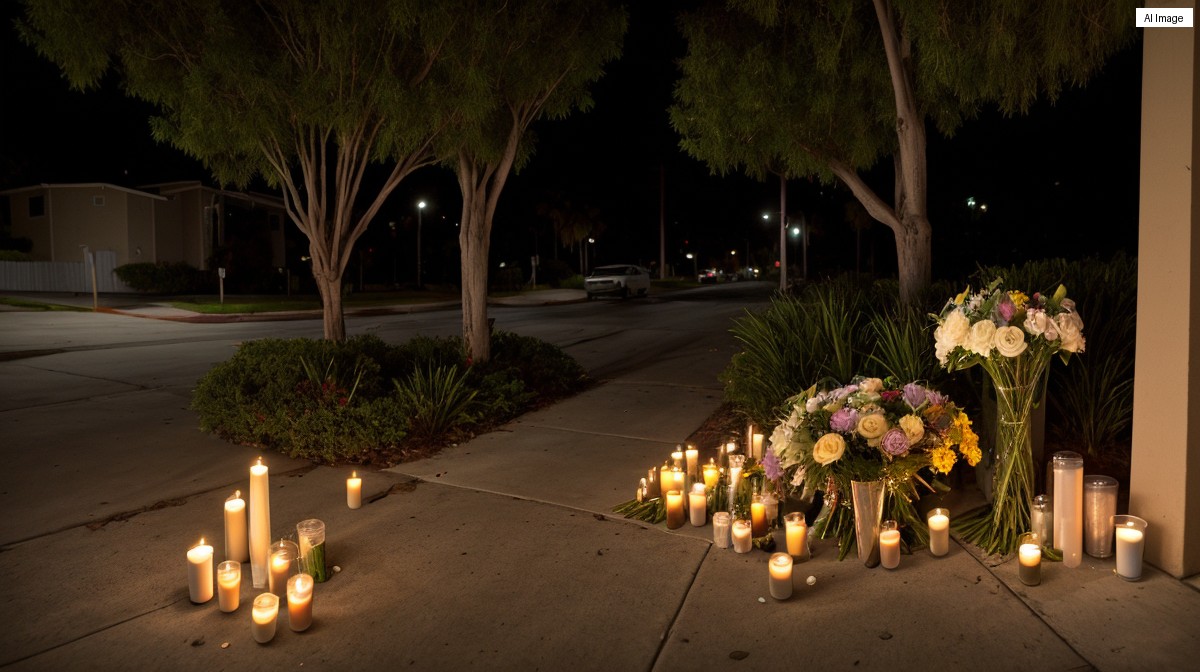
In the wake of the attack, the San Diego community has rallied around Abdullah's family in an extraordinary outpouring of support. Volunteers have raised more than 2.5 million dollars to help his wife and eight children as they cope with their devastating loss. Those who knew Abdullah described him as a deeply compassionate man who wanted everyone around him to be better, regardless of who they are. His death has reignited national conversations about the threat of online radicalization among young people and the urgent need for stronger measures to prevent extremist content from reaching vulnerable individuals through digital platforms.