Doctors at Moffitt Cancer Center in Tampa, Florida are turning to artificial intelligence to change how they treat one of the harder forms of blood cancer. The center is using a new AI tool to drastically speed up personalized treatments for multiple myeloma, a complex and rare blood cancer. The aim is to match each patient with the right therapy more quickly, in a disease where the choice of drug can make a significant difference.
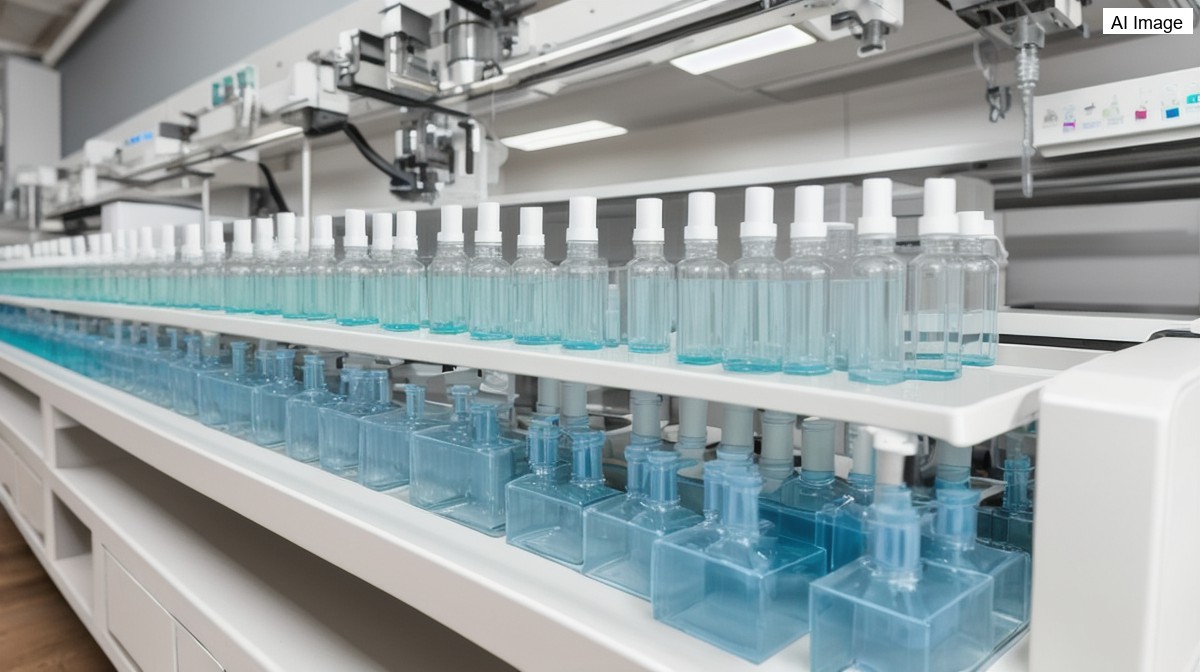
The work begins in the laboratory, where the equipment scans and runs the numbers for cancer patients. To do that, researchers take an extra sample of a patient's cancer cells, described in the lab as their bad guys, and break them apart. The cells are then placed in a dish so they can be studied directly, rather than relying only on broad assumptions about how the disease might behave.
Once the cells are prepared, they are put through an intensive round of testing. The team treats the sample against 31 different drugs or drug combinations, checking how the patient's own cancer responds to each option. That direct testing is designed to show which treatments are most likely to work for that specific person, instead of leaving doctors to choose from the full list without such guidance.
The speed of the process is central to its value. The testing gives doctors information within six days to help them build a treatment plan, a turnaround that matters in a cancer where time is limited. According to the team, the approach is being carried out for thousands of patients at once, rather than one case at a time.
That scale is only possible with the help of artificial intelligence. Dr. Ken Shain and researcher Ariosto Silva, who are behind the effort, say the leap in capacity is dramatic. As they put it, something that would take five years to do for a thousand patients now takes hours, compressing what was once a slow and limited process into a far faster one.
The AI does more than simply run tests at high volume. The tool looks at a patient's cancer journey and genetics together with clinical data and the available drugs, helping to put the puzzle pieces together faster when time matters. By combining these different strands of information, the system is meant to help doctors understand which of the many drugs will be the best ones for each patient.
For now, the team is concentrating its efforts on a single disease. They are focusing on patients with multiple myeloma, the complex and rare blood cancer at the heart of the project. By building and refining the AI platform around this one condition, the researchers hope to show how quickly personalized, data driven treatment decisions can be made when artificial intelligence is brought into the process.