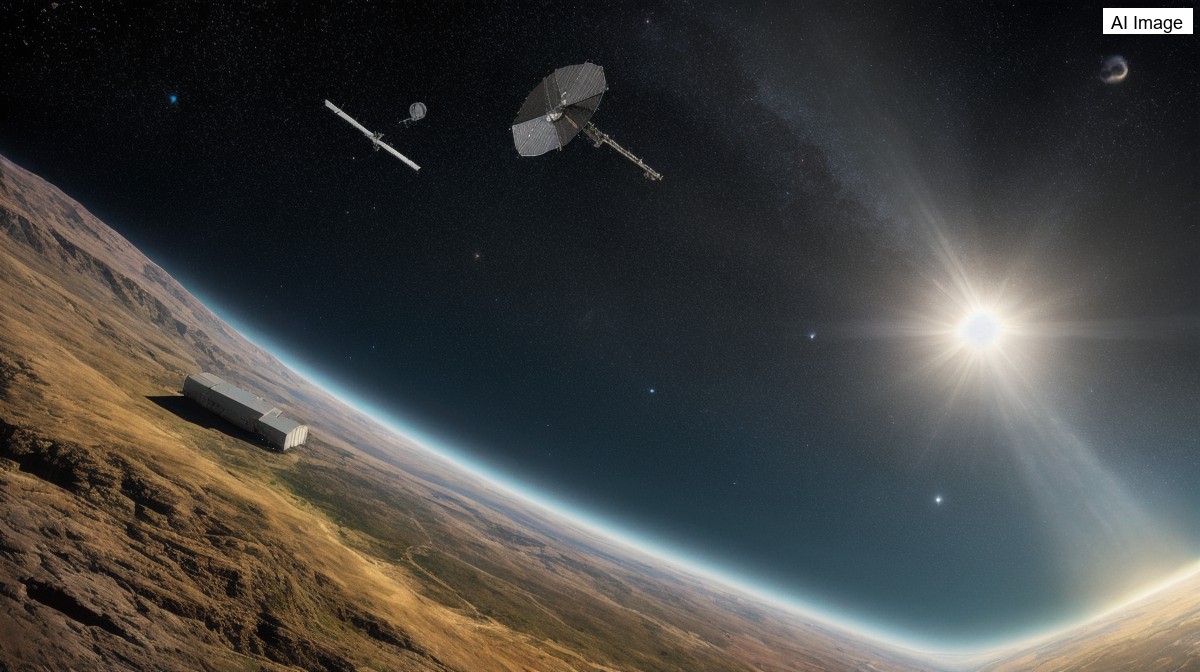
A robot has launched into space on an unusual mission, one aimed not at exploring new frontiers but at fixing up old satellites already in orbit. According to the mission, the goal is to help service aging SpaceX satellites, and the effort got under way with the successful launch of a two-armed robotic vehicle into space in yesterday's mission.
The design of the spacecraft reflects the hands-on nature of the job. Rather than a simple probe, it is a robotic vehicle equipped with two arms, built to physically interact with other satellites in orbit. That capability is central to the task it has been sent up to perform on spacecraft that are already aging.
Getting to its target will not be quick. The robot will spend the next year moving into the correct position, some 22,000 miles above the Earth. That slow journey to the right orbit is part of the plan, positioning the vehicle where the satellites it is meant to service are operating.
Once it arrives, the robot has a specific job to do. It will attach a jetpack onto an aging communications satellite, effectively giving the older spacecraft an added boost. The jetpack is intended to help keep the satellite functioning rather than letting it drift out of usefulness.
The first satellite will not be the only beneficiary of the mission. Beyond that initial target, the robotic vehicle is also set to help two other satellites, extending the reach of a single launch across multiple aging spacecraft that could otherwise be nearing the end of their working lives.
Underpinning the whole effort is a focus on cost. The mission is described as part of a money-conscious approach aimed at keeping old spacecraft operating for as long as possible. Instead of simply replacing satellites that are wearing out, the plan is to service and extend them, squeezing more value out of hardware already in orbit.