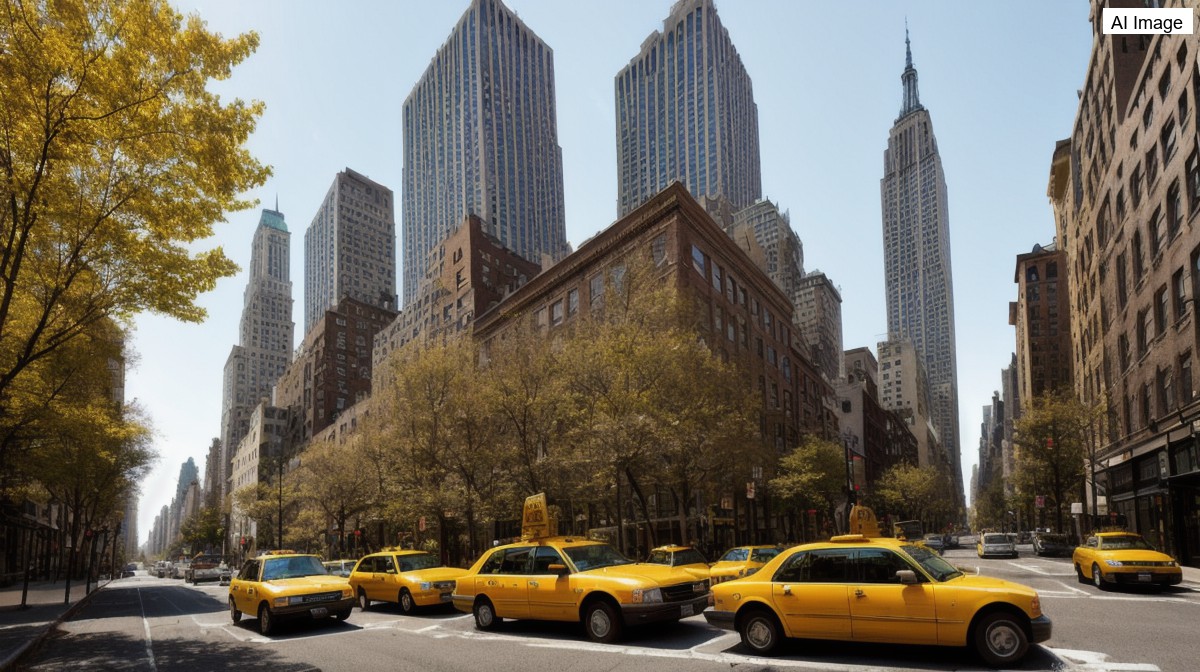
New York City is gearing up for one of the most complex transportation challenges in its recent history as it prepares to host eight FIFA World Cup matches this summer. Mayor Mamdani unveiled a detailed midtown mobility plan designed to keep the city's notoriously congested streets moving during match days, when hundreds of thousands of additional visitors are expected to pour into Manhattan from across the region and around the globe.
The centrepiece of the plan is the temporary transformation of 42nd Street, one of the most iconic and heavily trafficked corridors in the city, into a dedicated bus and shuttle route on each of the eight match days. The conversion will prioritise mass transit vehicles carrying fans to and from the events, dramatically reducing private vehicle access to the crosstown artery in an effort to prevent gridlock from paralysing the heart of midtown.
In addition to the 42nd Street measures, the city will establish dedicated bus and shuttle lanes along both 5th and 6th Avenues during match days. The two easternmost lanes of 6th Avenue between 42nd and 59th Streets will be reserved exclusively for buses and shuttle services, creating a north-south transit spine through midtown that connects with the crosstown corridor. West 40th and 41st Streets between 8th and 11th Avenues will also be converted into bus and shuttle blocks.
The transportation adjustments reflect the enormous logistical demands of hosting matches at MetLife Stadium in neighbouring New Jersey, which requires moving vast numbers of spectators through Manhattan's transit hubs both before and after fixtures. The plan aims to channel fan movement into high-capacity transit modes while minimising disruption to residents, businesses and the millions of commuters who depend on midtown's road network for their daily routines.
The announcement comes at a time of heightened attention to New York's readiness for the tournament, with Bergen County distributing emergency medical kits to local police departments and officials confirming that immigration enforcement agencies will not be present at any World Cup venues or fan events. The city's ability to execute these sweeping traffic modifications smoothly during match days will be closely watched as a test of whether one of the world's busiest urban centres can successfully host a global sporting spectacle of this magnitude.