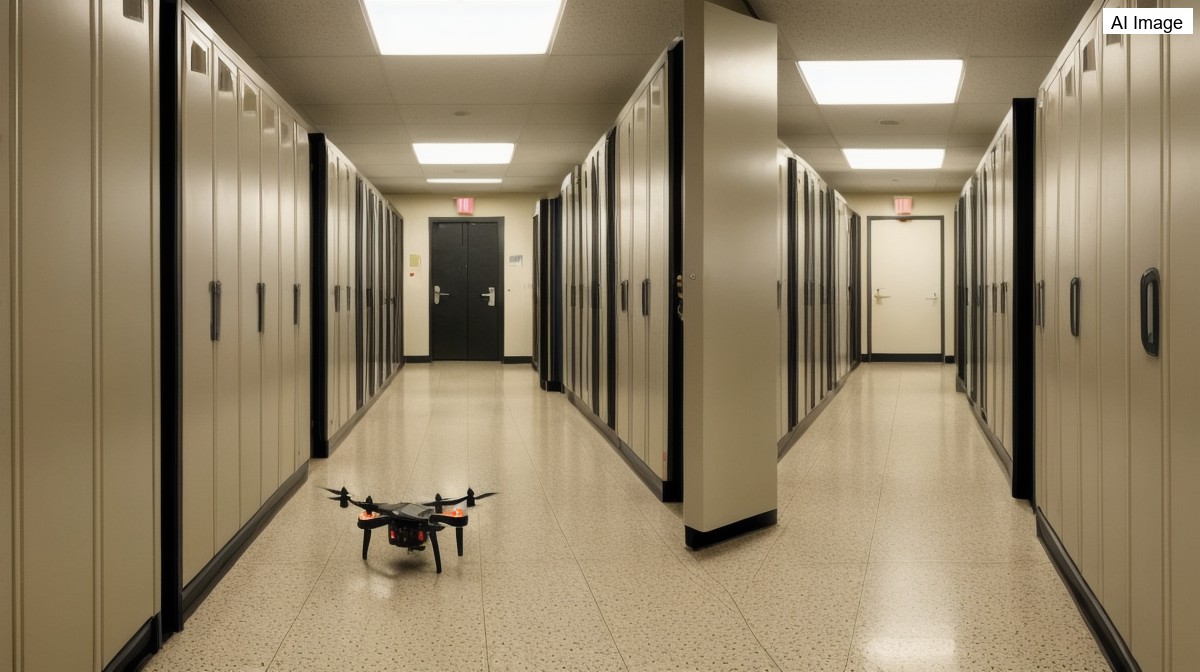
Schools are preparing to test a new and controversial tool in the effort to respond to mass shootings: drones built specifically for active-shooter emergencies. The technology, known as Campus Guardian Angel drones, would put a rapid, remotely operated device into a crisis in the crucial seconds before human responders can arrive, and its rollout is already sparking debate.
Speed is central to the pitch. According to the plan, the Campus Guardian Angel drones can be deployed in about 15 seconds, an interval meant to close the dangerous gap between the start of an attack and the arrival of police. In a school shooting, where the first minutes are often the deadliest, backers argue that kind of near-instant response could make a decisive difference.
The drones are also designed to actively intervene, not just observe. They are equipped with features like strobe lights, sirens, pepper spray, and the ability to ram into a suspect, a combination meant to disorient, deter or physically disrupt an attacker. The array of capabilities gives the devices an unusually aggressive role for a piece of school-safety equipment.
The concept has drawn comparisons to science fiction, with some likening the machines to Robocop. That framing captures both the appeal and the unease surrounding the technology, as a device that can chase down and physically confront a person moves the idea of automated security into territory that many find unsettling.
Supporters of the drones believe the technology can save lives, arguing that any tool capable of slowing or stopping a shooter in the opening moments of an attack is worth pursuing. For them, the promise of a fast, fearless response that does not put an officer or teacher directly in the line of fire is a compelling reason to move ahead with testing.
Others, however, worry about what could go wrong. Critics warn that the devices could hurt innocent students in the chaos of an emergency, or that they could be abused by hackers who gain control of a machine armed with pepper spray and the ability to ram people. As schools move to test the drones, those competing concerns are likely to shape how, and whether, the technology is ultimately adopted.