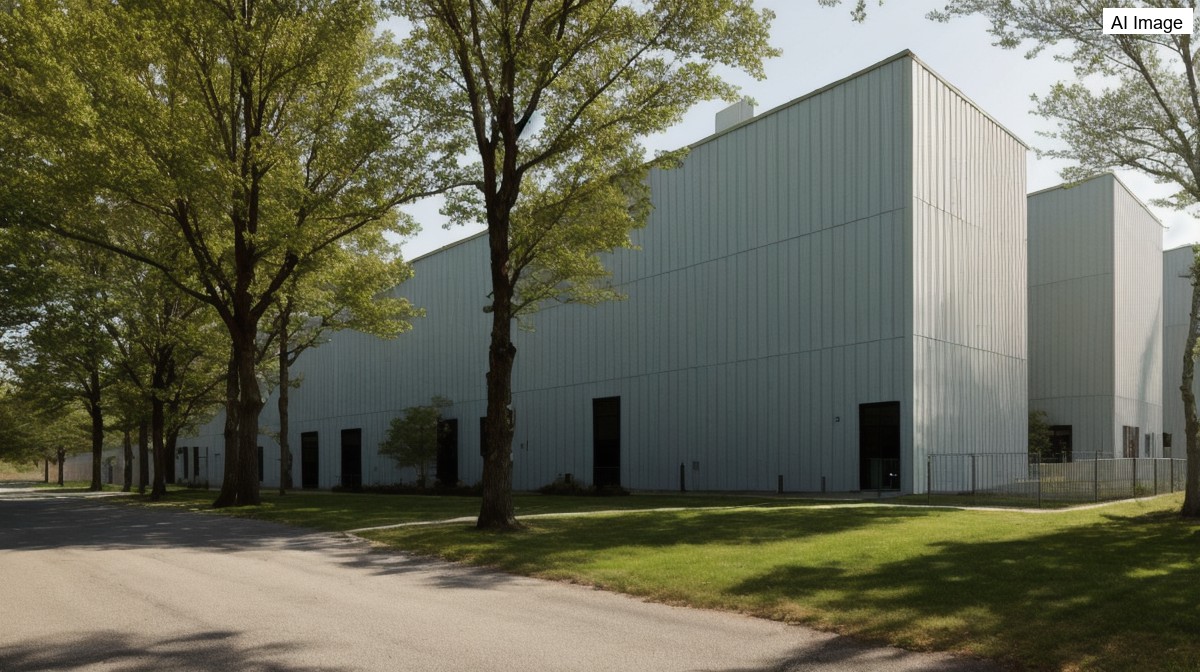
Google has announced a $1.5 billion expansion of a data center in Alabama, a sprawling facility set in the foothills of the Appalachian Mountains where a former coal plant once roared. In an exclusive look inside the site, ABC News showed thousands of computer chips working around the clock, helping power the AI revolution from a single campus.
The data center has been up and running since 2019 and is now an active construction site as the company prepares to grow it further. According to Google, the work is meant to add future buildings on the campus to meet what it described as growing customer demand and the needs of its users.
The $1.5 billion expansion, announced this week, is expected to bring about 1,000 temporary construction jobs. When questioned about whether such projects deliver lasting employment, company representatives argued that building anything brings an influx of construction work, while insisting the site has also created a significant number of longer-term jobs in the community.
The location carries its own history. The data center sits on the same property as a previous coal facility, and when that plant closed, the community lost a large number of jobs. Google said it has been able to come back and replace those jobs, and then some, framing the campus as a new economic anchor for the area.
Keeping the servers running is a constant challenge, because the machines run non-stop and can overheat if they get too hot. Cold water is pumped through pipes and across a row of ten cooling towers, where giant fans and evaporation chill the water before it is sent back through the system. Officials said it is the same treated water the community uses, recycled at least seven times, with consumption metered under agreements that dictate how much can be used.
The expansion lands amid a growing backlash against the rapid build-out of data centers across the country. Recent Gallup polling cited in the report showed that 71% of Americans oppose the construction of AI data centers, reflecting concerns over their impact on water, energy and land in the communities that host them.
Despite the criticism, the facility plays a central role in everyday digital life. According to the company, the site processes information for Google's services and supports important functions for hospitals and 911 call centers, handling data and sending it back out to users. The expansion underscores the tech industry's race to build the infrastructure needed to power the AI boom, even as host communities weigh the costs.