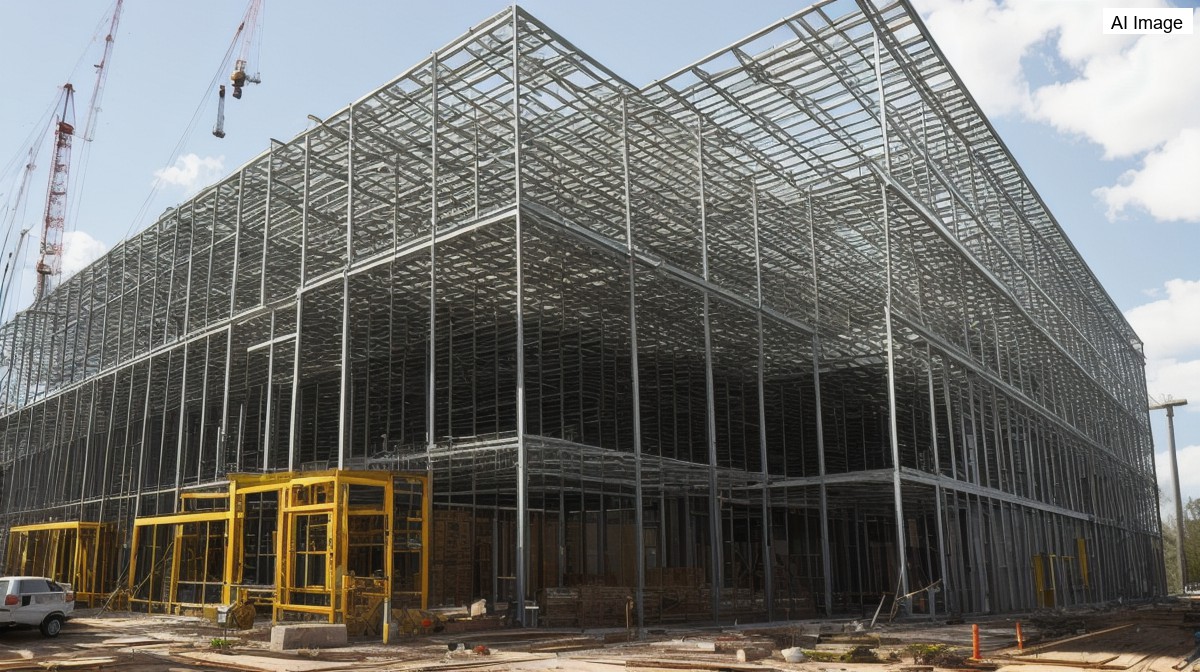
Construction has already broken ground on a massive $1.8 billion artificial intelligence data center in Kenilworth, New Jersey, marking one of the largest technology infrastructure investments in the state's history. The 400,000 square foot facility represents the growing demand for AI computing power across the United States, as tech companies race to build the physical infrastructure needed to support the rapid expansion of artificial intelligence applications.
New Jersey Governor Sherrill has announced a plan to position the state as a national leader in regulating AI data centers while ensuring their economic benefits flow back to local communities. The governor's plan will now head through the legislative process, where lawmakers will debate the framework for overseeing these massive facilities that consume significant amounts of energy and water while transforming the neighborhoods they occupy.
Reaction from Kenilworth residents has been mixed. Some neighbors expressed acceptance of the facility, with one resident saying they are all for it as long as the governor follows through on promises to protect the community. Others were more resigned, noting that construction had already begun and it was too late to object. The sentiment reflects a broader national debate about where these massive facilities belong.
Local resident Lisa O'Reilly voiced a common concern, arguing that data centers simply do not belong in crowded suburban areas and would be better suited to more rural locations. The tension between the economic promise of AI infrastructure and the quality of life concerns of neighboring residents is playing out in communities across the country as the data center boom accelerates.
The Kenilworth facility is part of a nationwide wave of AI data center construction driven by the explosive growth of artificial intelligence applications. Major technology companies are investing billions of dollars in computing infrastructure to meet demand for AI training and inference capabilities. New Jersey's regulatory approach, if successful, could serve as a model for other states grappling with the challenge of accommodating this new wave of industrial development while protecting community interests and environmental resources.