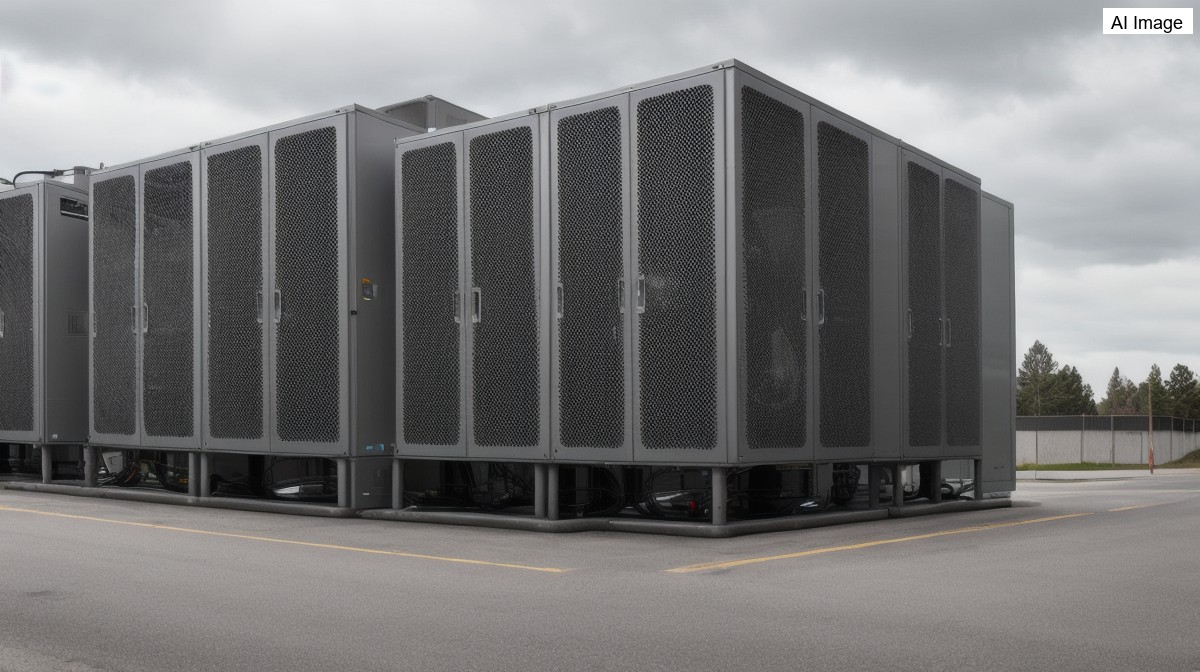
New York is putting the brakes on the rapid spread of artificial intelligence data centers. Governor Kathy Hochul has signed an executive order imposing a one-year pause on new AI data centers across the state, a move that halts fresh projects while officials and lawmakers grapple with the strain the facilities place on energy, water and household utility bills.
The governor framed the pause as a chance to get ahead of the problem. Data centers require huge amounts of energy and water to keep thousands of computers from overheating, a demand that often translates into steep utility rate hikes for communities and consumers. Hochul said her executive order is meant to give lawmakers more time to craft legislation that protects residents as well as the environment before more of the facilities are built.
The executive action builds on a legislative push that was already under way. A bill that would temporarily halt some large new data center projects had reached the governor's desk earlier, reflecting a growing unease over the rapid spread of the energy hungry facilities, an issue that has become especially sharp on Long Island as more developments are proposed across the region.
The bill cleared the legislature only hours earlier. According to the report, the state Senate passed the Responsible Data Center Development Act the previous night, sending it to Governor Kathy Hochul for her decision. Its passage marked a significant step in the effort to slow the pace of data center growth across New York State while officials take stock of the consequences.
At its core, the legislation is designed to buy time. The bill would give the state a period to study the impact of data centers before more of them are built, allowing officials to weigh the effects of the facilities on energy supply, infrastructure and local communities rather than letting projects move ahead without that scrutiny.
The bill would also shift more of the financial burden onto the companies behind the projects. Under its terms, developers building data centers would be required to pay more of the costs for the infrastructure their facilities need, a provision aimed at making sure the expense of supporting them does not fall so heavily on the wider public.
The push has been felt acutely on Long Island, where the debate is already well under way. Just last week, the town of Brookhaven proposed an 18 month pause on new artificial intelligence data centers, acting after residents raised concerns about the developments being planned for their communities and the strain they could bring.
Local leaders have voiced confidence in handling the matter themselves. One official pointed to Long Island's more than 3 million residents and praised the work of the area's county executives, town supervisors and village supervisors, arguing that the region knows how to manage growth and business without being overridden from above.
With the executive order now in place, attention turns to what lawmakers do with the time it buys. Hochul has described data centers as important for the future of technology, while also warning that their use of huge amounts of energy can drive up costs for ratepayers across the state, a tension the coming year of study and legislation will have to resolve.
Fresh detail has since emerged about how the pause will actually work. According to the account, the order applies only to the largest projects, using a threshold of 50 megawatts to define them, so that smaller facilities, including those supporting research centres, universities and healthcare organisations, are left untouched. The governor said the companies behind the big projects, the so-called hyperscalers, would have to cover their own power costs, either by bringing their own power or paying a premium to use the grid, at a time when the state already faces a shortage of electricity for existing businesses and for residents who are paying steep utility bills.
The governor cast the measure as a national first and defended it against its critics. According to the account, she described it as the first statewide moratorium of its kind and said New York wanted not just to be first but to be the first to get it right, adding that the companies would also be expected to deliver significant investment in local communities and to contribute to a larger fund supporting reinvestment in the grid. A national opinion poll was cited showing that 71% of people opposed the construction of artificial intelligence data centres in their area. The executive order is less far reaching than a bill the state legislature passed the previous month, which the governor said she was still reviewing, and she rejected the argument, voiced by the Pennsylvania senator John Fetterman, that pausing the projects would cede ground to artificial intelligence development in China.