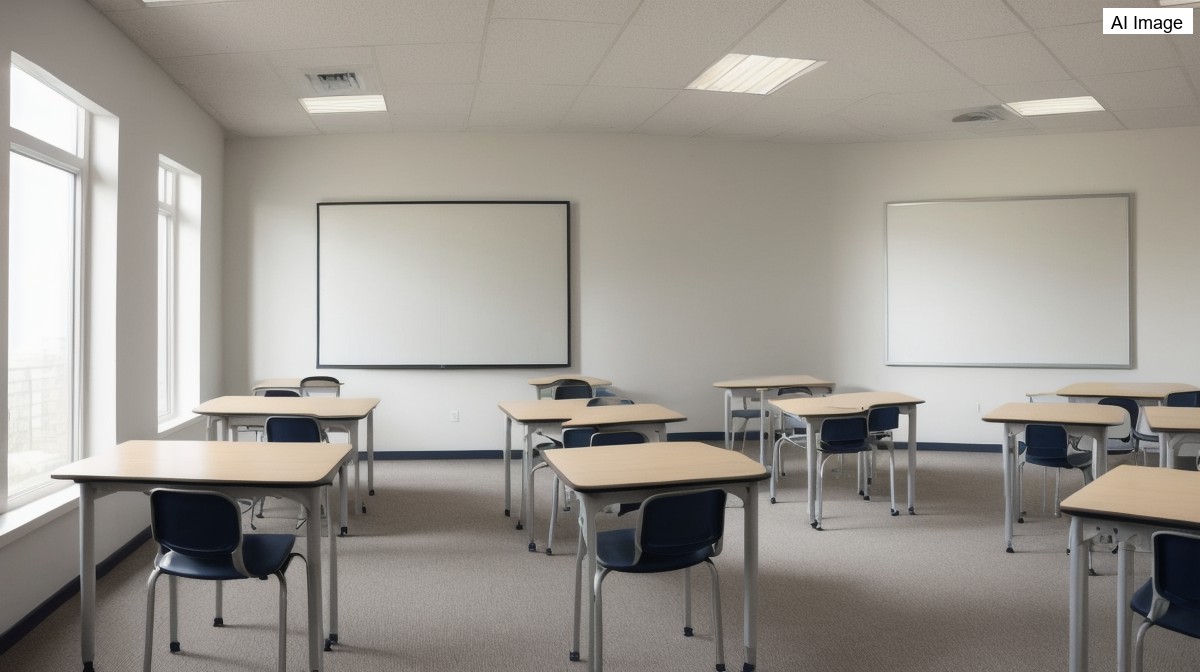
New York City education officials have put forward a draft plan to bring the city into line with a state law requiring smaller classes. The plan phases in new class size limits of 20 students in kindergarten through third grade, 23 students in middle school and 25 in high school, a change supporters say should mean more individual attention and better learning environments for students.
According to the Department of Education, much of the system is already close to those targets. The DOE says 64 percent of classes citywide are currently in compliance, and that most of the remaining classrooms are only one to three students above the cap, suggesting that the gap, at least on paper, is not enormous.
Closing that gap, however, comes with a significant price tag. To make the plan work, officials say an additional 244 million dollars will be needed to hire more teachers, while 1.5 billion dollars is earmarked for creating additional classroom space across the city.
Despite those figures, critics argue the 68-page draft stops short of the detail that matters most. They say it does not spell out exactly how many new seats are needed to fully meet the class size limits, nor where the new classrooms will actually be built, leaving key questions about implementation unanswered.
The concern is sharpened by the scale of the space shortage. Officials acknowledged that more than 600 schools, at their current enrollment, cannot meet the caps, yet the draft did not name any specific school that would receive more space or funding to lower its class sizes, nor a concrete plan for how that space would be provided.
Liani Amison, who was part of a class size mandate working group, said the group had put forward specific and affordable proposals on how more space could be created more quickly. According to her, the DOE did not adopt any of them and in fact rejected a number of the suggestions, deepening the frustration among those pushing for faster progress.
For now, the plan remains a draft. Schools Chancellor Kamar Samuels has not officially signed off on it, and a public comment period is due to open from June 25 through July, giving parents, educators and advocates a window to weigh in before the city moves ahead with how it will meet the class size targets.