For one young boy named Reed, a four-legged companion has changed daily life in ways a walker never could. Reed lives with a condition that affects how he moves, speaks and interacts with the world, and his family long searched for a way to give him more freedom and confidence. The answer arrived in the form of a service dog named Cheers, who has quietly become part of nearly everything Reed does.
Reed's challenges stem from the way his brain developed. If you look at an image of his brain, his cerebellum is about half the size of what it should be. That difference affects his fine motor skills, his speech and his ability to walk, shaping the kind of support he needs throughout his day. It is a condition that touches many of the everyday tasks most children do without a second thought.
For a long time, Reed relied on a walker to get around. Over time, though, that solution started to create new risks. According to his mother, the walker became unsafe because Reed was moving too quickly in it. Watching that happen, she decided that if there was another option that could help her son, she would pursue it, which set the family on the path that led them to Cheers.
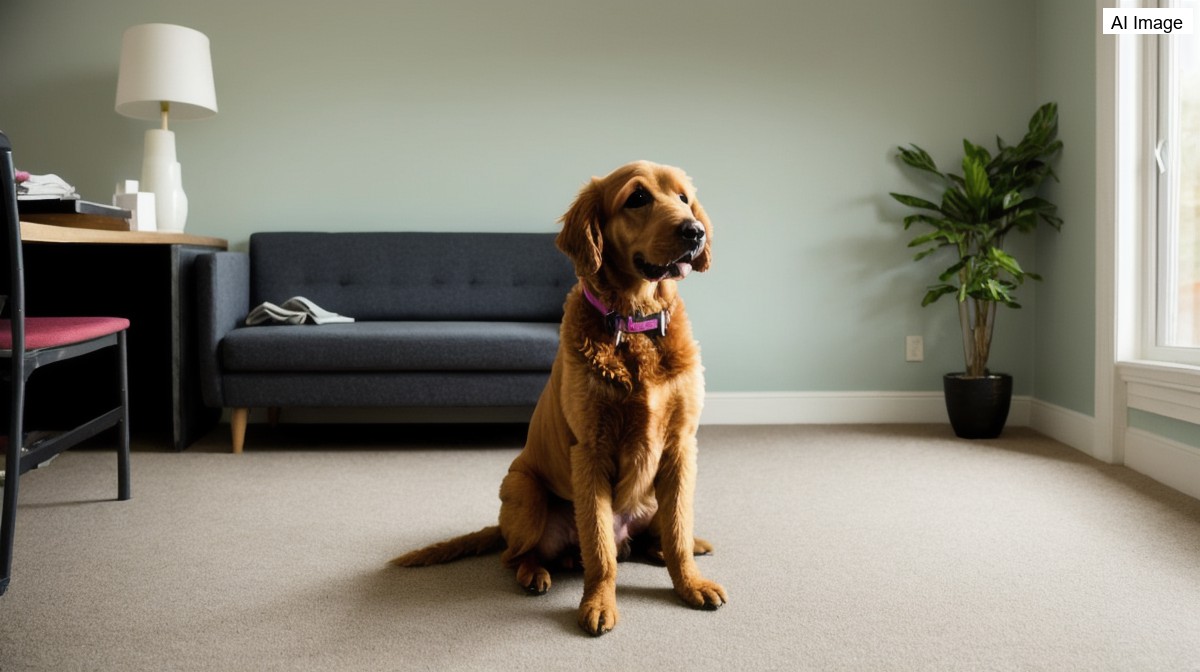
The family found the organization Four Paws for Ability, which is where Cheers came from. Cheers is a standard poodle, trained specifically to assist a child like Reed. One of his primary roles is mobility, helping Reed walk farther, more safely and for longer than he otherwise would be able to. That steady support has given Reed a more reliable way to move through his daily routine.
Cheers also helps Reed in moments of frustration. Reed is nonverbal and communicates with an alternative talking device that can voice phrases such as wanting a pizza with cheese. He will occasionally get very frustrated when he cannot get his point across, and in those moments the dog steps in to help him calm down. This task, known as behavior distraction, helps ease the tension when communication becomes difficult.
Beyond movement and comfort, Cheers provides an important safety function. If Reed falls, the dog is trained to bark, signaling to his mother that she needs to go and check on him to make sure he is okay. That alert gives the family an added layer of reassurance, knowing that Cheers will draw attention quickly if something goes wrong while Reed is on his own.
Perhaps the most heartwarming role Cheers plays is that of a social bridge. The dog brings Reed into more social situations with other children at school, encouraging classmates to approach and talk to him. As his mother puts it, she wants other kids to think of Reed not as the child with special needs, but as the kid with the dog. Named because he was born around New Year, Cheers has made Reed a familiar face, and the family says that, much like the old television show, everybody now knows Reed because of the dog, leaving him a happy boy who is happier still with Cheers at his side.