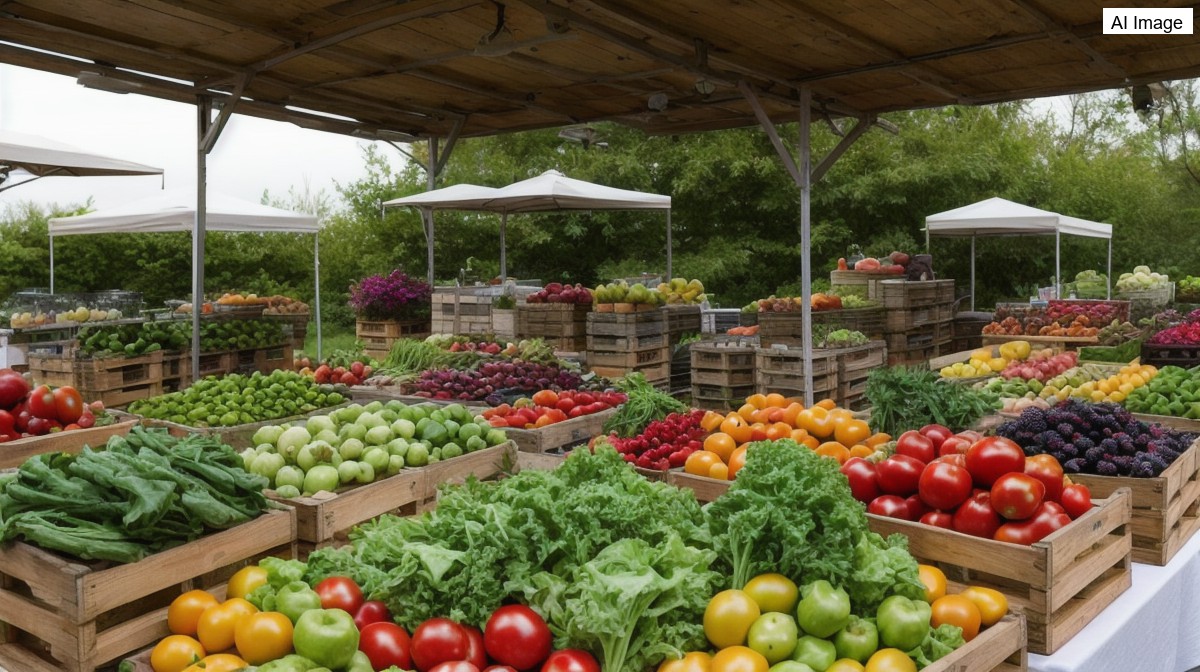
Seattle's South Lake Union Farmers Market is back this weekend, returning with a sharper identity as what organizers describe as a true traditional farmers market. The emphasis this season is firmly on local agriculture, with the market built around produce that is one hundred percent grown across Washington state, a shift designed to put regional farms and food producers front and center for shoppers in the neighborhood.
The market opens on Saturday, June 6th, and will run every Saturday from 10 in the morning until 3 in the afternoon, continuing through late November. It is set up on 6th Avenue, near The Spheres in the heart of South Lake Union, an area better known for its tech offices than its farm stands, making the weekly gathering of growers a distinctive presence in the district.
As part of its transformation, the market has been expanded to feature a large lineup of weekly booths, with up to around 30 local farmers selling their produce each week. Organizers say they hope the experience feels like a pop-up grocery store for neighbors, a place where residents can do real shopping for fresh food rather than simply browse, all while supporting the people who actually grow what is on offer.
One of the biggest changes this year is the length of the season. The market will now run from June all the way through to late November, stretching across much of the year. That extended calendar means the stalls will carry a changing mix of seasonal produce over the months, from summer berries early on to fall staples such as apples, squash and root vegetables as the weather turns.
For the farmers involved, the market is more than just another place to sell. Vendor Matt Steinman, of Foothills Farm in Sedro-Woolley, brings fresh produce into downtown Seattle each weekend and says the market gives him both work and a sense of community. He grows and sells fruits and vegetables across all twelve months of the year, and described the value of having a reliable outlet for what his farm produces.
That reliability matters in what many growers describe as a difficult economic environment. The consistent business that comes from a weekly market helps keep small operations like Foothills Farm going from one season to the next, and supporters note that money spent on local produce tends to stay in the area, helping to sustain regional agriculture and nearby small businesses at the same time.
Beyond the economics, organizers and vendors frame the market as a gathering space for the community, one that can act as an incubator for small farms looking to grow. By drawing people together around fresh, locally grown food in the middle of a busy urban district, the South Lake Union Farmers Market aims to feed and fund its neighborhood and its farmers alike, season after season.