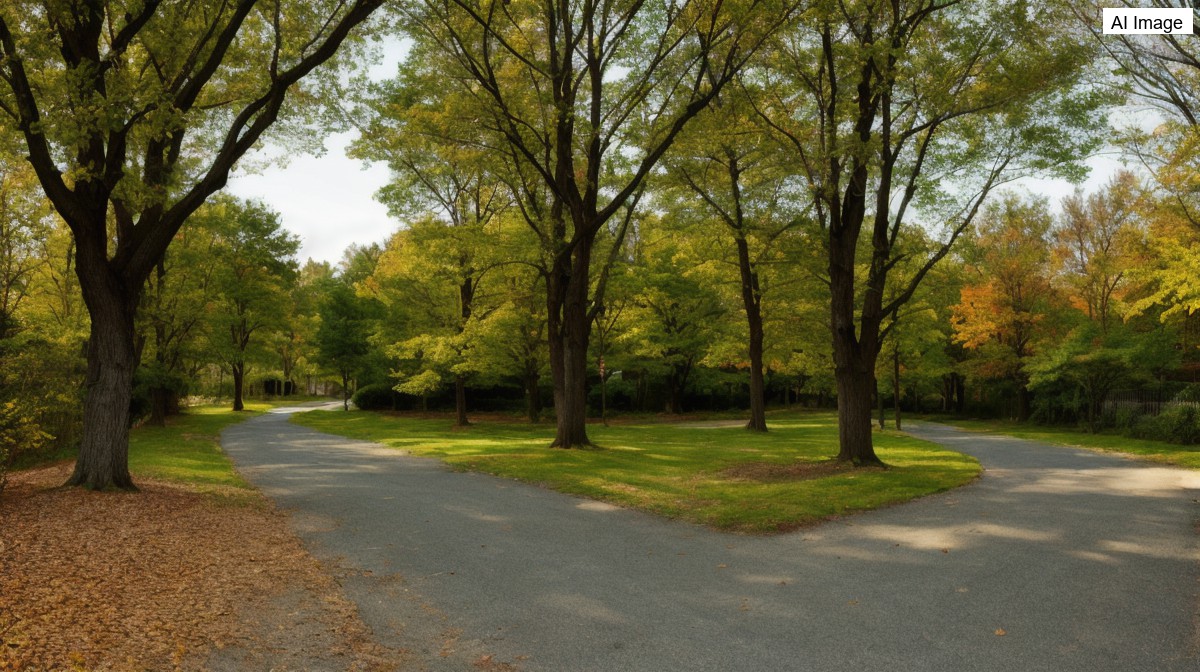
The city of Norwalk, Connecticut has issued a safety warning to residents after a black bear was spotted in the immediate vicinity of Cranberry Park, one of the community's popular outdoor recreation areas. The bear was observed directly across the street from the park's entrance, prompting officials to take immediate action to alert the public about the potential wildlife encounter.
City officials are advising residents to take several precautionary measures to reduce the risk of bear encounters. The primary recommendation is to never approach bears under any circumstances, as even seemingly docile animals can become aggressive when they feel threatened or cornered. Feeding bears, whether intentionally or inadvertently, is also strongly discouraged as it habituates them to human presence.
Among the specific guidance issued by Norwalk officials, residents are being asked to keep their garbage in secure, bear-resistant containers to avoid attracting the animals to residential areas. Unsecured trash is one of the most common attractants that draws bears into suburban neighbourhoods, and proper waste management is considered the single most effective measure for preventing bear-human conflicts.
Officials are also recommending that residents put away their bird feeders until late fall. Bird feeders filled with seeds and suet are a significant food source that can attract bears, particularly during the summer months when the animals are actively foraging to build up fat reserves. Removing this food source helps encourage bears to remain in their natural woodland habitat.
Black bear sightings have become increasingly common in suburban Connecticut communities in recent years as the state's bear population has grown steadily. The Connecticut Department of Energy and Environmental Protection has documented a significant expansion of the bear population, with animals now regularly appearing in areas where they were rarely seen a decade ago.
Cranberry Park is a well-used community green space that attracts families, joggers and dog walkers throughout the year. The proximity of the bear sighting to such a heavily trafficked area has understandably raised concerns among parents and pet owners about the safety of using the park until the bear moves on to a less populated area.
Animal control officers are monitoring the situation and will take further action if the bear continues to frequent residential areas. Residents who spot the bear are encouraged to report sightings to local authorities rather than attempting to deal with the animal themselves. Officials emphasise that black bears are generally not aggressive toward humans but should always be treated with caution and respect.