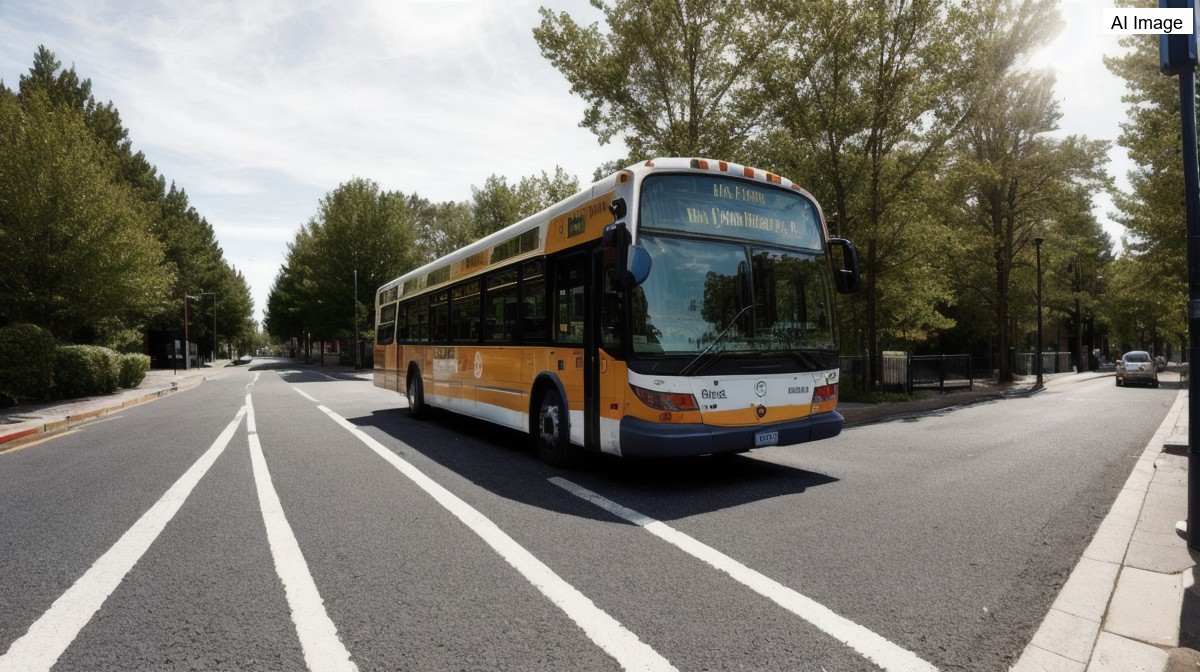
New York has begun using cameras mounted directly on city buses to catch drivers who block bus lanes and bus stops, with the new enforcement taking effect for motorists who travel through East Flatbush or near JFK Airport along the B15 route. Officials said the cameras switched on overnight, and that drivers who break the rules will now receive their tickets in the mail rather than being stopped on the road.
The program started on the B15 buses in Brooklyn and the M31 buses in Manhattan. The cameras are fixed to the vehicles themselves, which allows them to record violations as the buses travel along their routes and pass the spots where drivers most often get in the way of service.
The system is aimed at several problems that regularly slow buses down. According to the rollout, the cameras are looking for drivers who block bus stops, double park, or drive illegally in the bus lanes, each of which can force a bus out of its normal path and hold up the passengers on board.
A recorded violation does not lead to an automatic penalty. Officials said that when a camera captures a possible violation, the information is first reviewed by the city before a ticket is issued, a step intended to confirm that a rule was actually broken before any fine is sent to the driver.
The penalties rise for those who offend more than once. The first fine is set at 50 dollars, and repeat violations can climb to as much as 250 dollars. Rather than being handed out at the roadside, the tickets are sent by mail to the registered driver after the city completes its review.
The Metropolitan Transportation Authority said the goal of the cameras is to keep buses moving and to make rides more reliable for the people who depend on them every day. The agency said the bus camera program now covers 62 bus routes across the city, with the B15 and the M31 among the latest to be brought into the scheme.
Early reaction from riders along the route was supportive. One rider described the move as a good job that needed to be done to help the buses get through, reflecting a view that clearer lanes and stops ultimately benefit the passengers who rely on the service to get around the city each day.