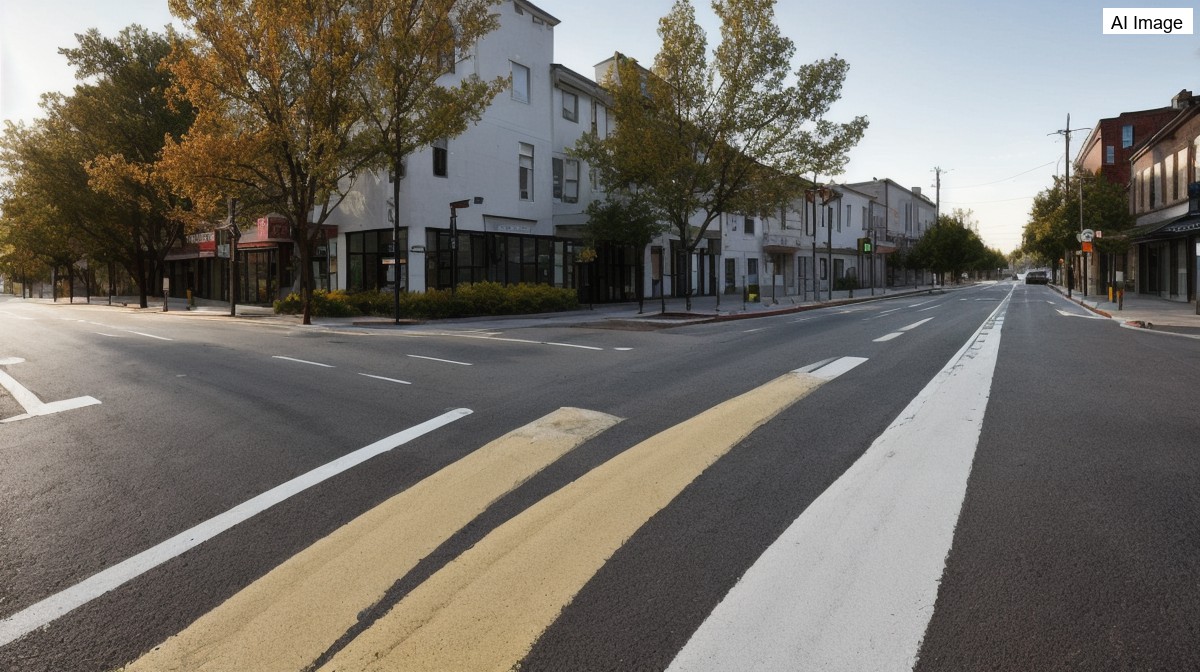
Jersey City has set a goal of zero traffic deaths and is moving to make its streets safer for everyone who walks and rides through them. To that end, officials say they will carry out a wave of quick-build safety improvements within the next few months. The push is aimed at protecting the thousands of people who cross the city's busy intersections each day on two feet, two wheels, and even the newer arrivals on six wheels trying to get across safely.
The effort follows a deadly year on local streets. In 2025, seven people were killed in traffic accidents in Jersey City, and another 38 were seriously injured. The stated goal of the new plan is to bring that toll down to zero, an ambition that drives the city's decision to act quickly rather than wait for larger, slower projects to take shape.
To get there, the plan focuses on the places where the danger is greatest. Officials say the improvements will target 80 locations known to be dangerous across the city. The approach relies on quick-build changes, which are described as much less expensive than major reconstruction and can be put in place in just a few months, allowing safety upgrades to reach problem spots far faster.
One intersection already shows what the city is aiming for. At Kensington Avenue and Bergen Avenue, there is a freshly painted walkway alongside a crosswalk sign that lights up as soon as anybody steps into the crossing. White pylons stand along the ground to help shield people on foot, marking out the space meant to keep pedestrians safe from passing traffic.
A key feature at that model corner is the extended curb, designed to protect pedestrians as they take their first step into the crossway and begin looking for cars. As one observer explained, the extended curbs are very much welcome because they reduce the distance a pedestrian is exposed to car traffic. When cars are parked all the way to the corner, it is hard to see who is coming, forcing people to peek out into the intersection just as a car could be approaching.
Residents who use the streets every day say the changes have already made a difference. Charles Gadsden, who has walked these streets for decades, said his favorite improvement by far is the bike and scooter lane set against the curb, crediting it with cutting down on accidents and people getting hit. Beatriz Bofill, a regular biker on Jersey City streets, said riding can be very scary and that she really likes the protective lanes that have been going in.
The need is clearest in places like Journal Square, where every day thousands of people on foot and on wheels compete with cars to cross the busy intersections. City officials say they are hoping to end that kind of fear with the quick-build improvements, which can be made far more cheaply and in a fraction of the time of bigger projects. By spreading these changes across the city's most dangerous spots, Jersey City hopes to move closer to its target of no traffic deaths at all.