Record-breaking heat crippled NJ Transit on Thursday, turning the evening rush hour into a nightmare for hundreds of thousands of commuters trying to get home. As the region baked under some of the highest temperatures in years, the agency's electric trains were slowed by the heat, setting off a cascade of cancellations, long delays and stranded passengers that spread across the entire network. What is normally a routine journey home became an hours-long ordeal, with riders packed onto sweltering platforms and left uncertain when, or whether, their trains would arrive. By the height of the commute, the system had effectively seized up under the strain of the weather.
Conditions inside the network were brutal for those caught in it. New York Penn Station, the busiest hub on the system, reached a stifling 148 degrees inside, leaving commuters crowded onto platforms and into rail cars with little or no air conditioning. Passengers described being packed shoulder to shoulder in oppressive heat as they waited for trains that in many cases never came on time. For riders already drained by a scorching day, the airless station turned an inconvenience into a genuine health risk.
With the rails faltering, officials told riders to look for any other way home. NJ Transit urged its rail customers to find alternatives wherever they could, cross-honoring tickets on NJ Transit and private carrier buses, on the PATH rapid transit system, and even on NY Waterway ferries. The scramble to reroute so many passengers underscored how completely the heat had undermined the railroad's core service. Commuters who might normally never set foot on a ferry or a bus found themselves improvising a way across the Hudson.
The delays mounted quickly as the evening wore on. Riders faced widespread cancellations and waits ranging from an hour to as much as 90 minutes, as the heat's toll on overhead power lines and other equipment rippled through the schedule. Each stalled or cancelled train compounded the crowding at Penn Station and other stops, leaving platforms jammed well into the night. For many, the disruption stretched a normal commute into a journey that consumed much of the evening.
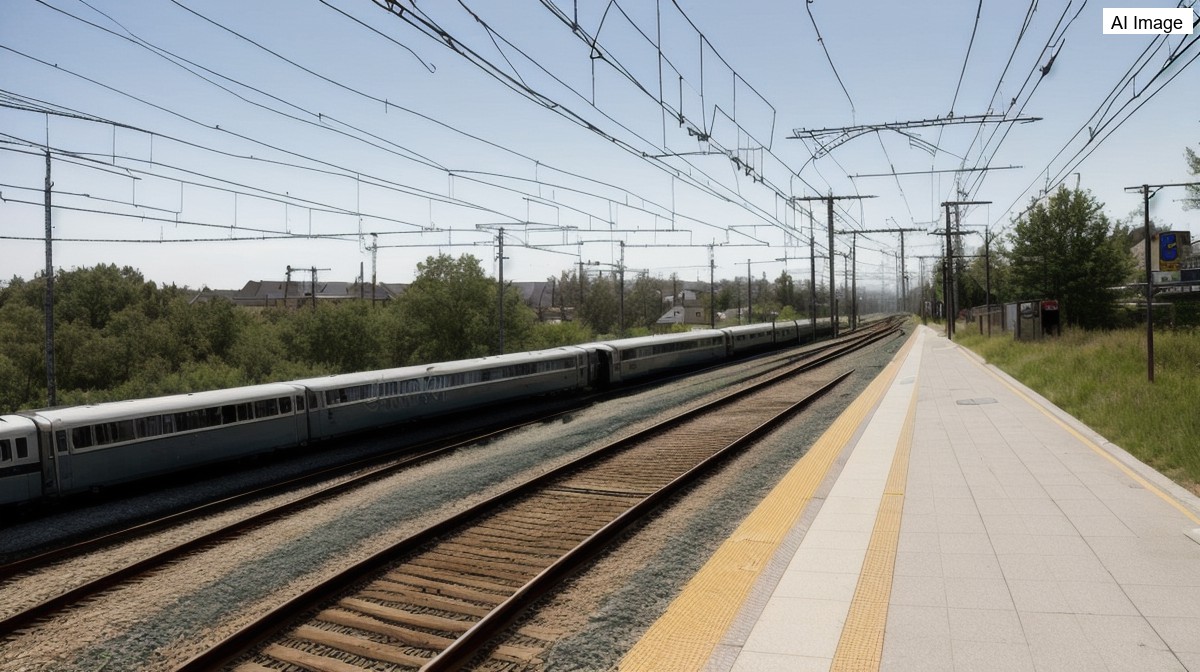
At several points the trouble turned acute rather than merely frustrating. Sagging overhead wires, drooping in the extreme heat, temporarily stopped two trains during the commute, cutting power to trains full of passengers. A rescue train had to be dispatched to Harrison to carry roughly 300 stranded customers back to Hoboken Terminal after their service stalled entirely. Those incidents transformed the delays from an inconvenience into an operation to physically extract passengers from disabled trains.
The heat also punished the system's aging infrastructure. The century-old Hackensack drawbridge, which carries trains over the Hackensack River between Secaucus and East Rutherford, got stuck in the open position for about 25 minutes because of the high temperatures, choking off another key stretch of track. Elsewhere, the extreme heat sparked a fire at the Hoboken station after 5 p.m., adding chaos at one of the network's busiest terminals just as the evening rush peaked. Together, the bridge failure and the fire deepened a breakdown that was already spiralling.
For weary riders, the meltdown capped a punishing day across the New York metropolitan area, where temperatures had soared to record or near-record levels. Transit officials, already stretched by the demands of moving people through the heat, warned that similar temperatures were expected to persist. With more extreme weather in the forecast, commuters were left bracing for the possibility of further disruption before conditions finally eased. The episode laid bare how vulnerable an aging rail network can be when the heat climbs high enough.