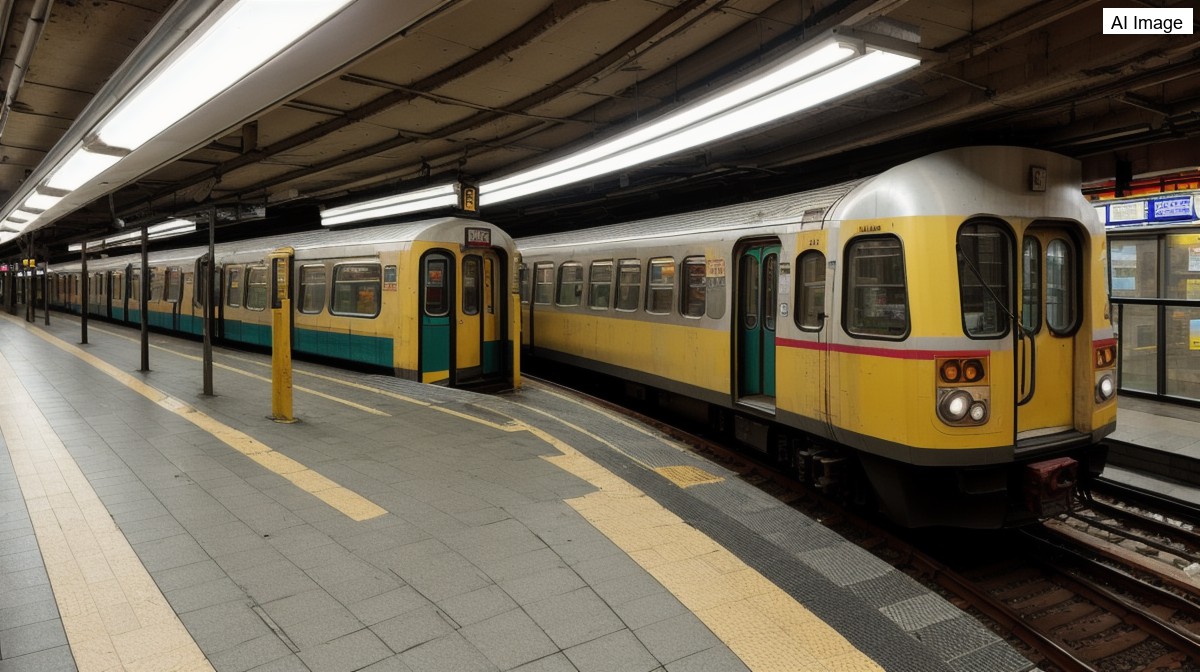
New York straphangers may soon be paying more to get around. The MTA has released its preliminary budget plan for next year, and it includes a proposal to hike fares and tolls once again, reviving a familiar source of frustration for the millions of riders who move through the region's transit system every day.
It may feel like commuters only recently got used to tapping into the subway and having it cost 3 dollars, but under the plan that price could be going up. The proposal signals that the next increase may be coming sooner than previously thought, even though a fare hike already took effect at the beginning of this year.
At the center of the plan is a target of a 4 percent increase in revenue. According to the budget, the agency is aiming for that 4 percent bump by 2027, and then again in 2029, setting up two rounds of increases over the next several years rather than a single one-time change.
The proposed increases would not be limited to the subway. The plan spans subways, buses, and bridge and tunnel tolls, meaning that drivers crossing MTA spans as well as riders boarding trains and buses would all feel the impact if the increases are adopted.
For subway and bus riders, the math translates into a modest-sounding jump per ride. If operating costs stay the same, a 4 percent bump to fares would come out to about 12 cents per swipe or tap, a figure that on its own does not sound like much for a single trip.
The cost adds up quickly, however, for those who rely on transit daily. With riders swiping or tapping back and forth five, six, or seven days a week, the extra charges begin to stack toward roughly 10 dollars a day, underscoring how a small per-ride increase can weigh on regular commuters over time.
For now, the hike remains only a proposal. It has not yet been approved and would go through several rounds of hearings before it could become a reality, a process that officials say gives the public a chance to weigh in and urge riders to get involved by speaking up at those hearings.