A police sergeant in Pasadena, Texas, has stepped down while under scrutiny over how he used a powerful surveillance tool. He resigned from the Pasadena Police Department before an internal affairs investigation into his conduct could be completed, amid accusations that he misused the area's network of Flock cameras. The details were laid out publicly by a member of the Pasadena city council.
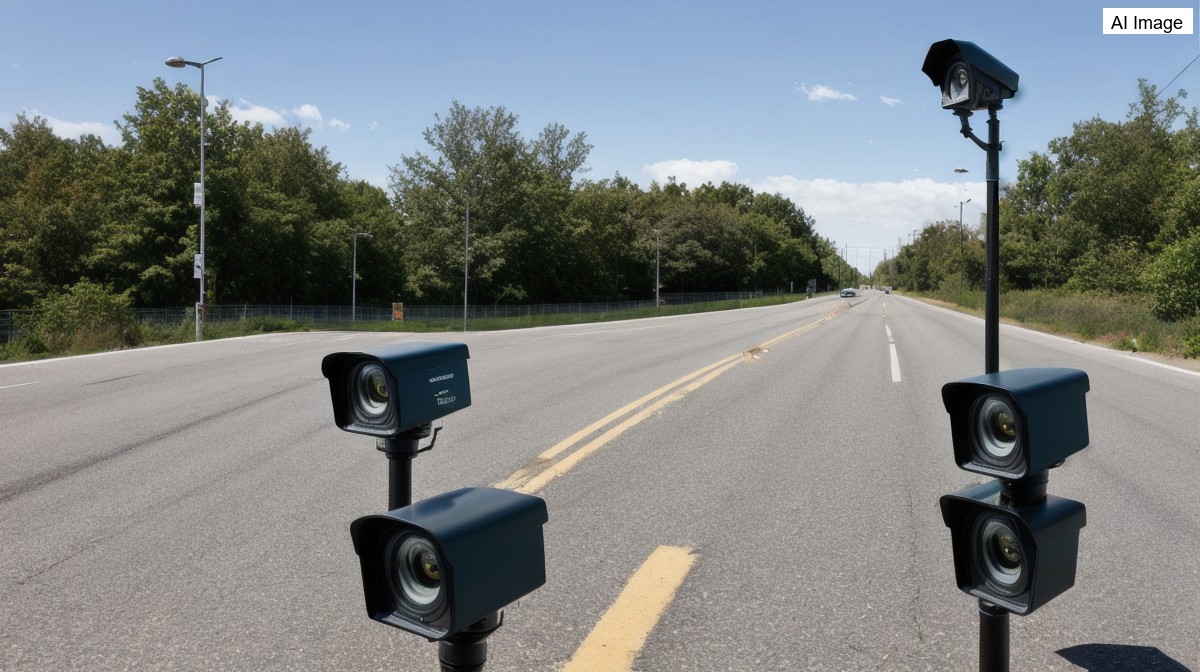
The technology at the center of the case has become a common sight in the region. Flock cameras are mounted high on poles across Harris County, where they photograph passing vehicles and capture their license plates. They are widely promoted as a tool to help combat crime, and there is little dispute that they can assist investigators in tracking down suspects and stolen cars.
The allegation against the sergeant, however, points to a darker use. According to the account, he is accused of using the cameras to stalk a fellow police officer, turning a crime-fighting system into a means of monitoring a colleague's movements. The vehicle he is said to have repeatedly searched for belonged to a female officer.
What made the alleged pattern detectable was the system's own record-keeping. Every time an officer looks up a particular vehicle or piece of information in the Flock network, that search is logged. Investigators were reportedly able to see that the sergeant had run the same lookup again and again, a repetition that raised questions about what he was doing and why.
For now, the matter remains unresolved on several fronts. The sergeant has not been criminally charged, and the Pasadena Police Department has not issued an official statement on the case. Officials indicate that the internal affairs investigation is still ongoing, and that if the department concludes charges are warranted, the matter could be forwarded to the district attorney's office, where such an offense would be treated as a felony.
The episode has reignited a broader debate about the reach of the camera network. Access is not limited to police departments, as private companies and even homeowners associations can purchase Flock cameras, which means an association's board members could gain access to the footage. Critics warn that because most people follow predictable daily routines, such access could be exploited to track an individual's every move.
That tension between public safety and privacy is playing out unevenly across the state. Supporters continue to describe the cameras as a valuable crime-fighting tool, useful in serious cases such as tracking down a kidnapper. Yet some Texas municipalities, among them Austin, have chosen not to deploy them at all, wary of the surveillance they enable and the potential for exactly the kind of misuse now alleged in Pasadena.