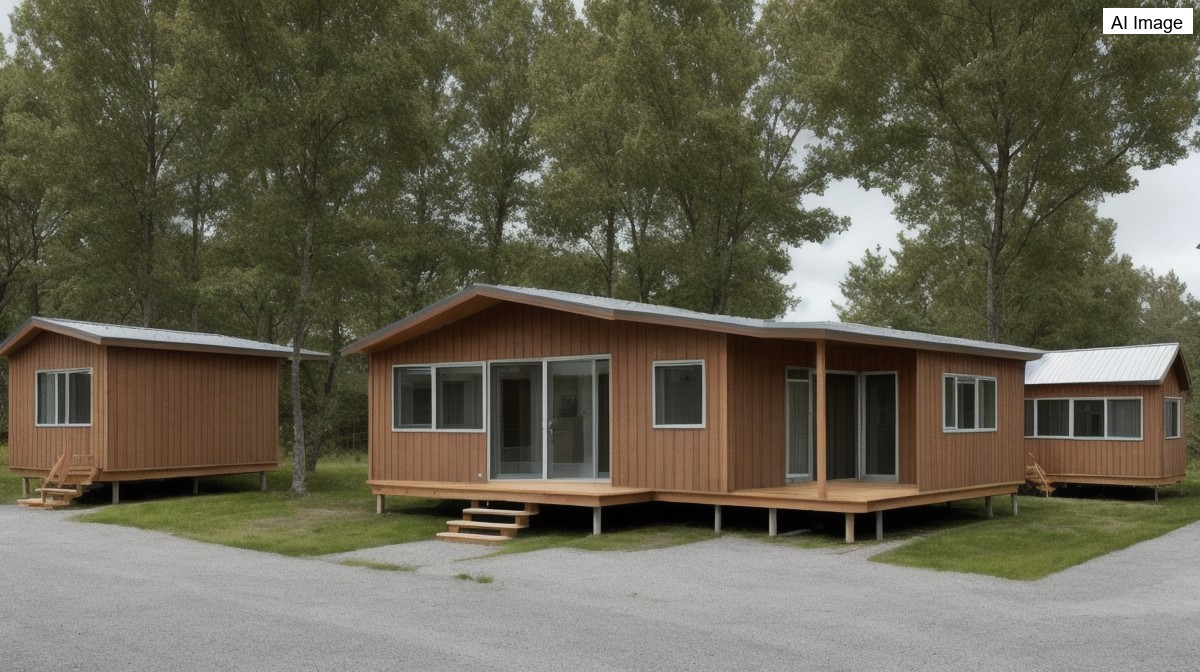
A new tiny home village is set to open this weekend in Seattle's Interbay neighborhood, adding a fresh piece to the city's effort to get more people off the streets and into stable shelter. Known as the Bayside Enhanced Shelter, the site is located off Armory Way, just north of the Whole Foods, in an area close to the heart of the Interbay district between Queen Anne and Magnolia.
City leaders say the village will include about 75 pallet shelter units, small individual structures intended to give residents a private, secure place to stay. Rather than a single large room filled with beds, the layout gives each person their own unit, an approach designed to offer a degree of privacy and dignity that traditional warehouse-style shelters often cannot provide to those who use them.
The shelter is aimed specifically at adults experiencing chronic homelessness, the population that has often proven hardest to reach through conventional emergency shelter. By pairing a roof with on-site help, the project is meant to do more than simply provide a bed for the night, instead serving as a stepping stone toward longer-term stability for people who have cycled in and out of homelessness for extended periods.
Alongside the units themselves, the village is built around transitional housing and supportive services. That means residents are expected to have access to case management and wraparound support, the kind of consistent, in-person help that providers say is essential for guiding people from a temporary shelter into permanent housing rather than leaving them to navigate the system on their own.
The tiny home model has become an increasingly visible part of Seattle's response to its homelessness crisis. Advocates argue that giving someone a lockable door and a small space of their own can ease the psychological toll of living unsheltered, helping residents feel safe enough to focus on the next steps, whether that is finding work, addressing health needs or securing a more permanent place to live.
The opening comes as part of a broader push by the city to expand its shelter capacity. City leaders have set a goal of opening around 1,000 new shelter beds during 2026, and the Bayside site is one of the projects contributing to that target. The effort reflects ongoing pressure to add space as Seattle works to respond to the scale of need across the region and prepares for a busy year ahead.
For the Interbay neighborhood, the new village marks a tangible change, bringing dozens of shelter units into an area better known for its industrial sites and big-box stores. As the Bayside Enhanced Shelter prepares to welcome its first residents this weekend, it stands as both an immediate addition of beds and a test of whether the tiny home approach can help move more of the city's most vulnerable residents toward lasting housing.