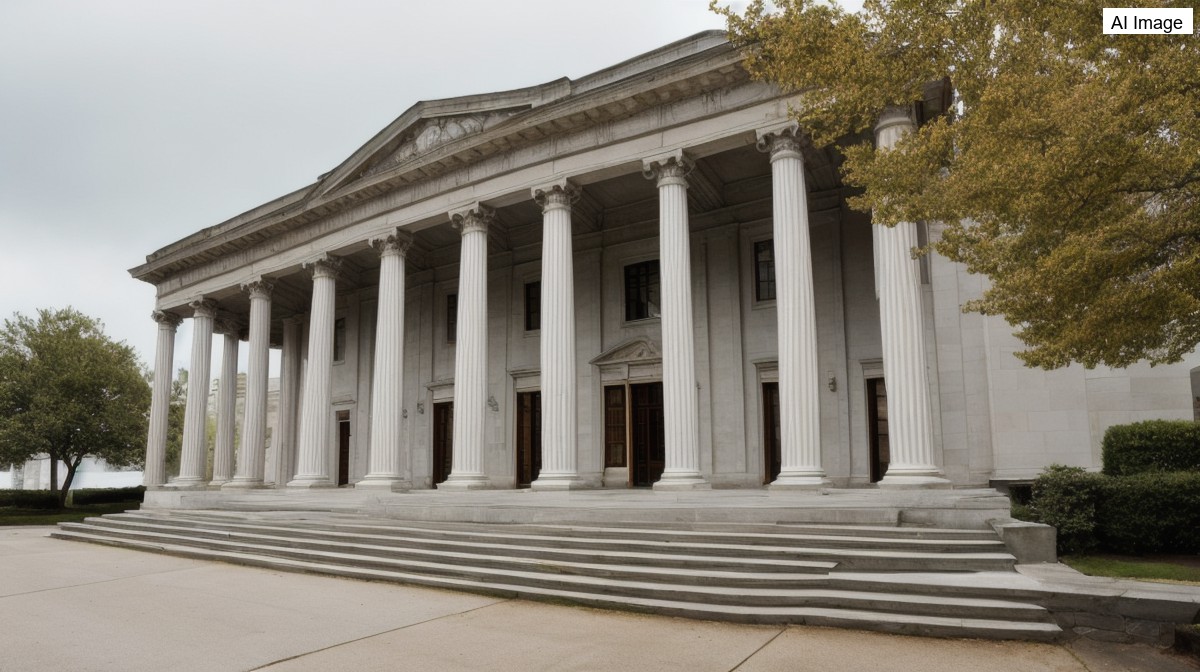
The U.S. Supreme Court has ruled on a pair of major cases tied to presidential power and the question of whether the president can fire members of independent federal agencies. The two decisions, handed down on Monday, dealt with the Federal Reserve Board of Governors and the Federal Trade Commission, and produced a split outcome that handed President Donald Trump a defeat in one case and a significant victory in the other.
In the case that legal analysts described as the most consequential, the court rejected the president's attempt to remove Federal Reserve Board member Lisa Cook. The justices in effect carved out a Federal Reserve exception, holding that the central bank's independence is critical and that a president seeking to remove one of its governors must show cause and follow a process that includes notice and a hearing.
President Trump had tried to remove Cook by asserting that she had committed fraud on a mortgage application before she was nominated to the Federal Reserve by President Biden. The court's decision means that, for now, she cannot be removed on that basis, and CBS News reported that the wider legal battle over the matter is expected to continue.
In the second case, the court allowed the president to remove Federal Trade Commission member Rebecca Slaughter, who had been fired without cause. In doing so, the justices overturned Humphrey's Executor v. United States, a 1935 Supreme Court ruling that had long upheld limits on the president's power to fire members of the FTC.
Legal correspondents said the combined effect of the rulings is to give the president a freer hand over a range of independent bodies. For decades, Congress has limited the president's power to remove commissioners at roughly two dozen federal agencies, often requiring that their terms be staggered and that the membership be bipartisan, protections the court has now weakened outside the Federal Reserve.
The outcome was decided by the court's conservative majority. Chief Justice John Roberts wrote the opinion for the court, while Justice Sonia Sotomayor filed a dissent that was joined by Justices Elena Kagan and Ketanji Brown Jackson. CBS News Chief Legal Correspondent Jan Crawford was among those parsing the lengthy opinions as they were released.
The reasoning underscored a distinction the court drew between the Federal Reserve and other agencies. The justices treated the Fed's role in overseeing monetary policy as a reason its independence should be preserved, while at the same time expanding the president's authority to reshape the leadership of other regulatory bodies. The decisions are expected to reverberate across Washington as the administration moves to assert more control over agencies it does not directly run.