President Donald Trump has denied New York State's request for federal disaster aid to help it recover from a powerful blizzard that battered the region in February, drawing a sharp rebuke from Governor Kathy Hochul, who vowed to fight the decision. The refusal means that, for now, Washington will not release the federal recovery money the state had sought to offset the cost of responding to one of the winter's most damaging storms. It sets up a direct confrontation between the Democratic governor and a president who hails from New York himself. The decision also fits a wider pattern in which the administration has increasingly declined or delayed similar requests from states hit by extreme weather.
The dispute centers on a formal request known as a major disaster declaration, the mechanism that unlocks federal assistance after a catastrophe. Hochul had asked the president to approve the declaration in order to secure funding for communities battered by the storm, arguing that state and local governments had incurred large costs responding to it and cleaning up afterward. Such declarations typically open the door to federal reimbursement for emergency work, debris removal and repairs to damaged public infrastructure. Without one, those costs fall far more heavily on state and municipal budgets already stretched by the winter.
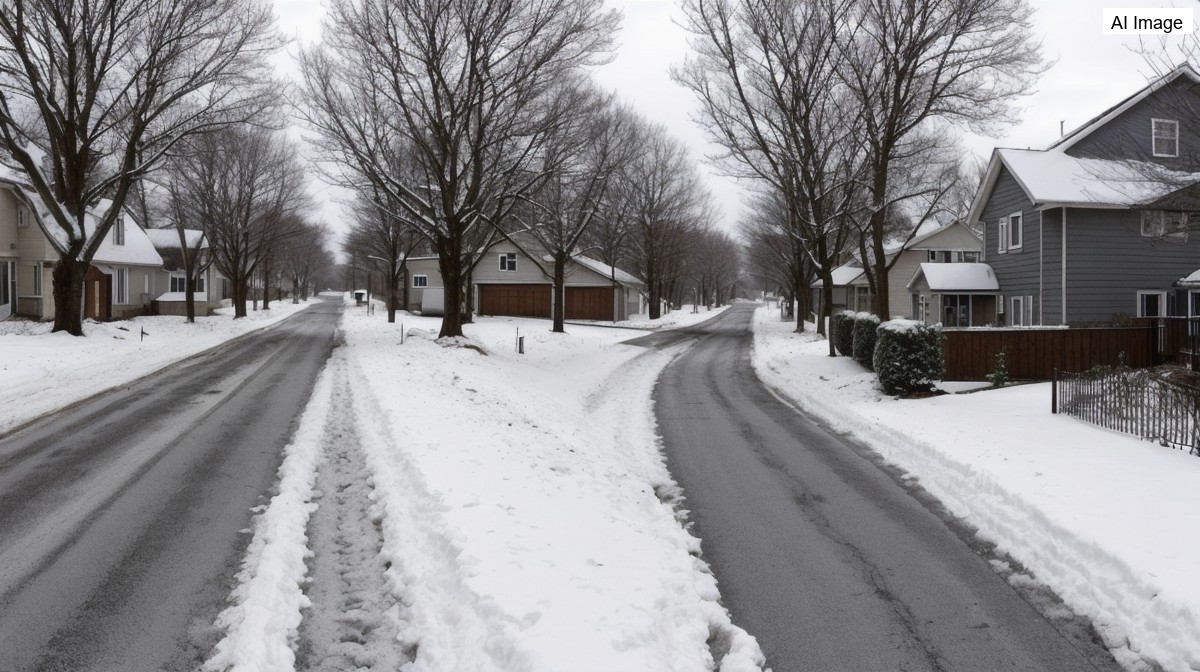
The storm at the heart of the request struck on February 22 and 23, and by several measures it was severe. It produced record-breaking snowfall across parts of downstate New York, including the Bronx, Staten Island and the Long Island counties of Nassau and Suffolk, as well as the Mid-Hudson region north of the city. Forecasters recorded snowfall rates of up to four inches an hour, tropical-storm-force winds, whiteout conditions and minor coastal flooding as the system swept through. For many communities it ranked among the most disruptive weather events of the entire season.
Hochul's response to the denial was pointed and personal. The governor said the affected communities deserve to have access to every resource available to recover and rebuild, and accused the president of turning his back on his home state, a reference to Trump's own New York roots. She framed the decision not as a routine bureaucratic call but as a deliberate choice to withhold help from residents who needed it. Her language signaled that the fight over the money is likely to become a political flashpoint as much as an administrative one.
The governor made clear she does not intend to accept the ruling as final. Hochul said she would appeal the decision to, in her words, ensure New Yorkers receive the federal assistance they deserve. Appeals of denied disaster declarations are a formal part of the process, allowing a state to submit additional documentation and press its case for reconsideration. The move keeps alive the possibility that federal funding could still be released down the line, even as it prolongs the uncertainty for communities that have been waiting months for aid.
New York's experience is not an isolated one. The denial fits a broader approach in which the administration has repeatedly limited or slowed federal disaster assistance channeled through the Federal Emergency Management Agency. By one tally, the administration has rejected at least two dozen extreme-weather-related aid requests, with more than a dozen others, including several appeals, still pending a decision. Governors and local officials in a number of states have complained of unusually long waits for rulings that once moved far more quickly, leaving recovery efforts in limbo.
For the New York communities still dealing with the aftermath of the February storm, the practical stakes are considerable. Federal recovery dollars can make the difference between a swift rebuild and a prolonged strain on local finances, particularly for smaller municipalities with limited reserves. With the state now preparing an appeal, residents and local governments face a further period of waiting to learn whether the assistance will ultimately come through. The outcome could also help set the tone for how future disaster requests from New York and other states are handled in the difficult months ahead.