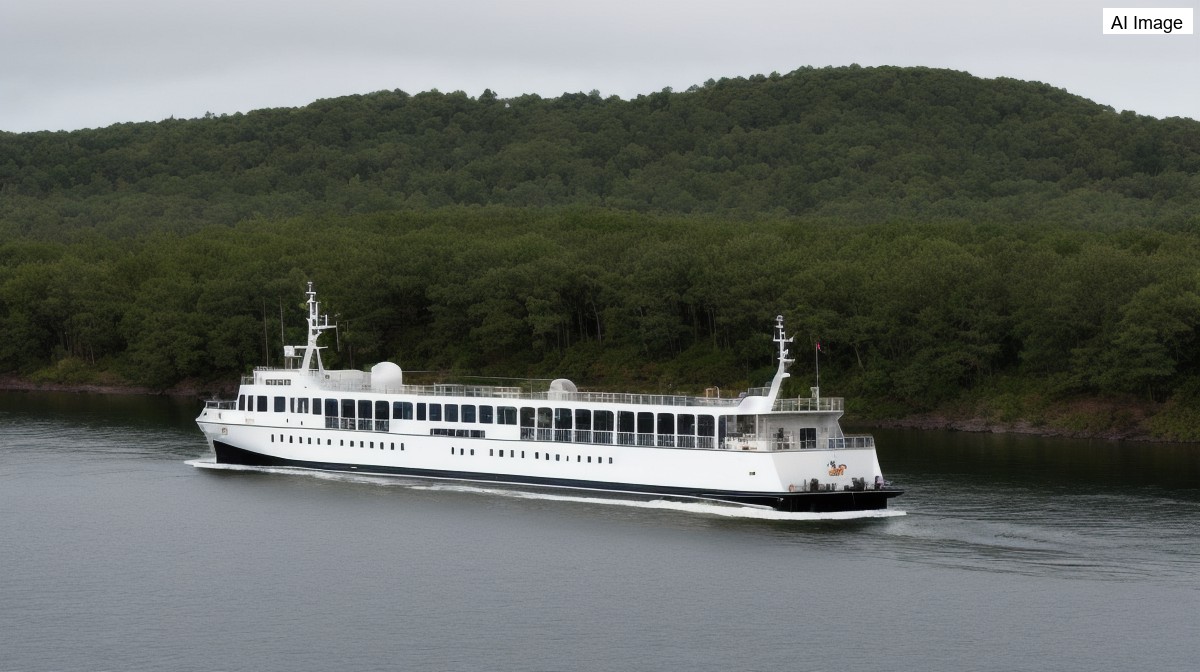
Washington State Ferries, the green and white fleet that carries thousands of people across Puget Sound every day, is marking a major milestone this year as it celebrates 75 years since the state took control of the system. The iconic boats have become a lifeline for commuters and travelers across the region, and the anniversary is being used both to look back at a long history and to confront the challenges that lie ahead for the nation's largest ferry operation.
Long before the familiar modern vessels, the waters of Puget Sound were ruled by steamers, swarms of them crisscrossing the sound in what became known as the Mosquito Fleet, ferrying foot passengers from port to port. At one time these boats packed Seattle's Coleman Dock, where the ferries still come and go today. One survivor of that era, the steamer Virginia V, is now docked at Lake Union outside a museum, having logged hundreds of thousands of miles in its working life sailing routes such as Tacoma, Vashon and Bainbridge.
The arrival of the automobile changed everything. By the 1930s a single operator, the Black Ball line, had built what amounted to a monopoly of car-carrying vessels, a presence so well known that Bing Crosby even sang about the company in a song about Seattle. But fare hikes, strikes and public anger over the service eventually built pressure on Olympia to step in, and after a bitter fight the state took the helm in 1951, acquiring the Black Ball line's fleet of boats along with 20 terminals for around six million dollars.
That figure is a far cry from the cost of running the system today. According to the broadcast, Washington State Ferries now operates on roughly 354 million dollars annually, a reflection of how much the service has grown and how expensive it has become to maintain. Yet even that level of funding is not enough to meet the demands placed on the fleet, and the financial strain has become one of the central themes of the 75th anniversary discussions.
Just weeks ago, Governor Bob Ferguson called on the federal government for a funding lifeline, warning that both the boats and the wider system are aging and increasingly fragile. The appeal underscores how dependent the network has become on new investment, with state and federal officials pushing for additional dollars to shore up a service that many island and waterfront communities rely on as their main connection to the rest of the region.
Steve Nevey, who leads the state ferry system, took part in the celebrations, including a flag raising atop the Space Needle to mark the occasion. While he pointed to much that the agency can be proud of after 75 years, he was candid about the difficulties it faces. He described an organization in the middle of a transition to bring new ferries into service, and said the single biggest constraint right now is simply that there are not enough new vessels to run all the service the system is expected to provide.
Looking to the future, lawmakers in Olympia have floated ideas to help bridge the gap until new boats are delivered, including a proposal that would in effect revive the spirit of the old mosquito fleet to add capacity. For now, the anniversary stands as both a celebration of three quarters of a century of service and a reminder that keeping the country's largest ferry system afloat will require new boats, new money and difficult decisions in the years to come.