Loading article...
White House calls Iranian report of US-Iran memorandum of understanding a 'complete fabrication' as oil prices whipsaw
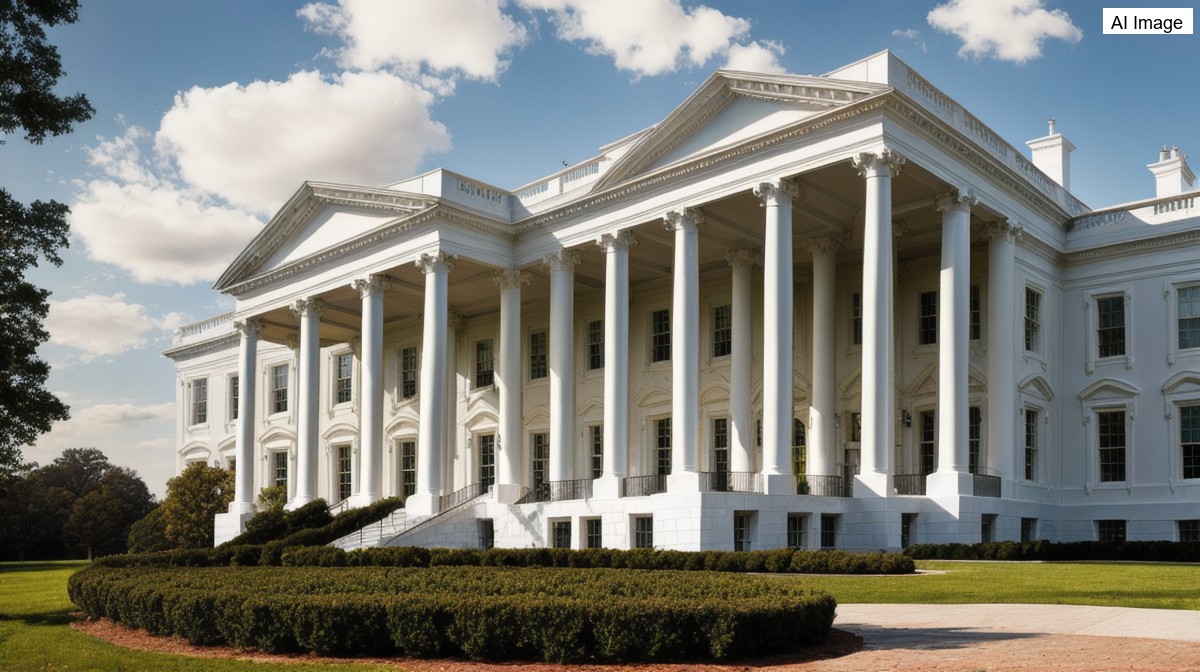
The White House has called an Iranian state television report claiming to have obtained a draft memorandum of understanding between the US and Iran a 'complete fabrication'. The denial came hours after the Iranian report sent oil prices tumbling, with Brent crude falling 3 percent to $96.23 and WTI dropping below $90. Markets continue to react to contradictory signals from both sides.
The White House has issued a sharp denial of an Iranian state television report that claimed Tehran had obtained a draft memorandum of understanding between the United States and Iran aimed at ending their conflict. In a post on X, the White House called the Iranian report a complete fabrication, directly contradicting the earlier Iranian claims that had sent energy markets into a tailspin. The denial came hours after the Iranian broadcast triggered a significant drop in global oil prices.
The Iranian report, first aired at approximately 8:33 AM Eastern time, had claimed that under the draft framework Iran would restore commercial shipping through the Strait of Hormuz to pre-war levels within a month while the United States would withdraw military forces from Iran's vicinity and lift a naval blockade. The framework reportedly excluded military vessels and envisioned Iran managing ship traffic through the Strait in cooperation with Oman. Tehran stated it would take no steps without tangible verification.
Oil markets reacted violently to the conflicting signals. Brent crude fell 3 percent to $96.23 per barrel following the initial Iranian report, while WTI dropped as low as $87.77 before partially recovering to trade around $90.60. The price swings reflected the acute sensitivity of energy markets to any indication that the Strait of Hormuz, through which approximately one-fifth of the world's oil passes, might be reopened. After the White House denial, crude prices pared some of their earlier losses but remained significantly lower on the day.
Bloomberg's Israel Bureau Chief Ethan Bronner characterised the situation as extremely difficult to follow, noting that President Trump and Iranian officials appear to say something different every half hour. Despite the confusion, Bronner suggested that some kind of deal to reopen the Strait in the coming month or so does appear to be emerging, though the nuclear issue remains unresolved. The emerging memorandum of understanding reportedly stems from indirect talks launched after the war began in February, with Pakistan playing a central mediating role between Tehran and Washington.
The whipsawing headlines have created a challenging environment for traders attempting to position around the geopolitical situation. Analysts have questioned whether the market movements are driven by human traders making informed decisions or by automated systems keyed to specific headlines. The airline sector rallied sharply on the falling oil prices, with United Airlines rising as much as 7.7 percent and Delta and American Airlines also posting gains. Energy stocks moved in the opposite direction, declining alongside crude prices. The episode underscores the market's desperate desire for a resolution to the conflict, even as the path to a deal remains uncertain and fraught with contradictory signals from both sides.