Contract negotiations between Unifor and General Motors are now officially underway in Toronto, opening a high-stakes round of bargaining for thousands of Canadian auto workers. The two sides have set up at the downtown Sheraton Centre, and both bargaining teams are said to be prepared to work day and night in the days ahead. The clock is already running: the deadline for Unifor and GM to hammer out a tentative agreement is August 21, giving negotiators a tight window to close the gap between them.
For Unifor, the union that represents the workers, the talks come after a punishing stretch for the sector. The union describes the past 18 months as some of the most difficult that auto workers in Canada have faced. National president Lana Payne framed the negotiations as being fundamentally about protecting the country's manufacturing base, saying the heart of the bargaining is about defending the manufacturing footprint in Canada and making sure that new investments are being made in Canadian operations.
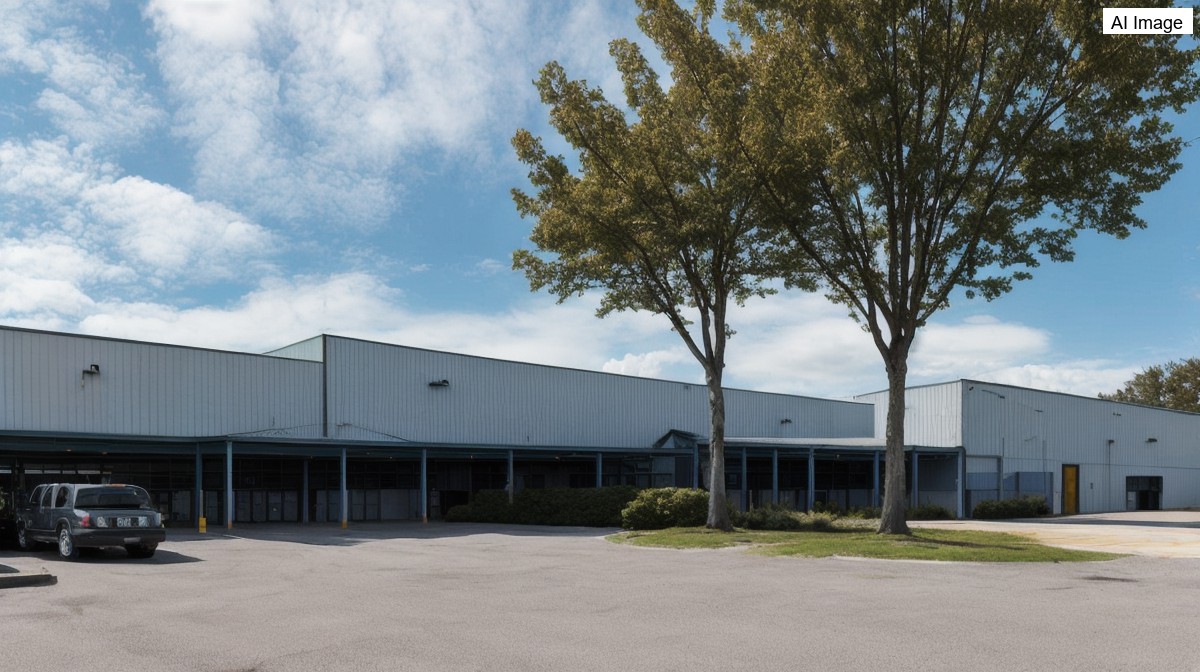
The backdrop to the negotiations is a sharp downturn in production. According to Unifor, roughly 30 percent of GM workers across the country are currently laid off, with several facilities either sitting idle or being used well below capacity. The union points to the plant in Ingersoll, Ontario, among the operations affected by the slowdown, underscoring how much idle capacity has piled up in Canada's auto sector at a time when workers are anxious about the future of their jobs.
Payne argued that there is a fundamental mismatch between what General Motors sells in Canada and what it builds here. She noted that around 300,000 of the cars and trucks GM sells in the country are not matched by domestic production, with Canadian plants turning out only in the range of 130,000 vehicles. That, she said, is a very big disconnect that needs to change, and it sits at the centre of the union's push for guaranteed investment and work in Canadian facilities.
Unifor is heading into the GM talks looking to build on a deal it recently reached with Ford. The union says it expects a pattern agreement that carries forward the foundation and momentum established with Ford Motor Company, a deal Payne said met the moment and was loudly supported by members. Crucially, the union stressed that the Ford agreement also included new investments, and it wants General Motors to follow that same blueprint rather than settle for weaker commitments.
General Motors did not put its Canadian president in front of the media, but the company responded in a statement. It said that since 2020 it has invested 3.3 billion dollars in its Canadian manufacturing plants, spending it described as enabling next-generation products that will secure thousands of Canadian jobs for years to come. GM added that its goal is to reach a mutually beneficial agreement that supports its employees while keeping the company competitive in Canada over the long term.
Hanging over the entire process is the trade conflict with the United States, which has repeatedly taken aim at Canada's auto industry. Payne warned that with more tariffs looming and cross-border trade talks continuing, the coming days will be consequential for the sector, and she vowed that the union will keep advocating for an industrial policy built on a simple premise: if a company expects to sell in Canada, it must also build in Canada. That principle, she signalled, will shape a bargaining round both sides expect to be tough.