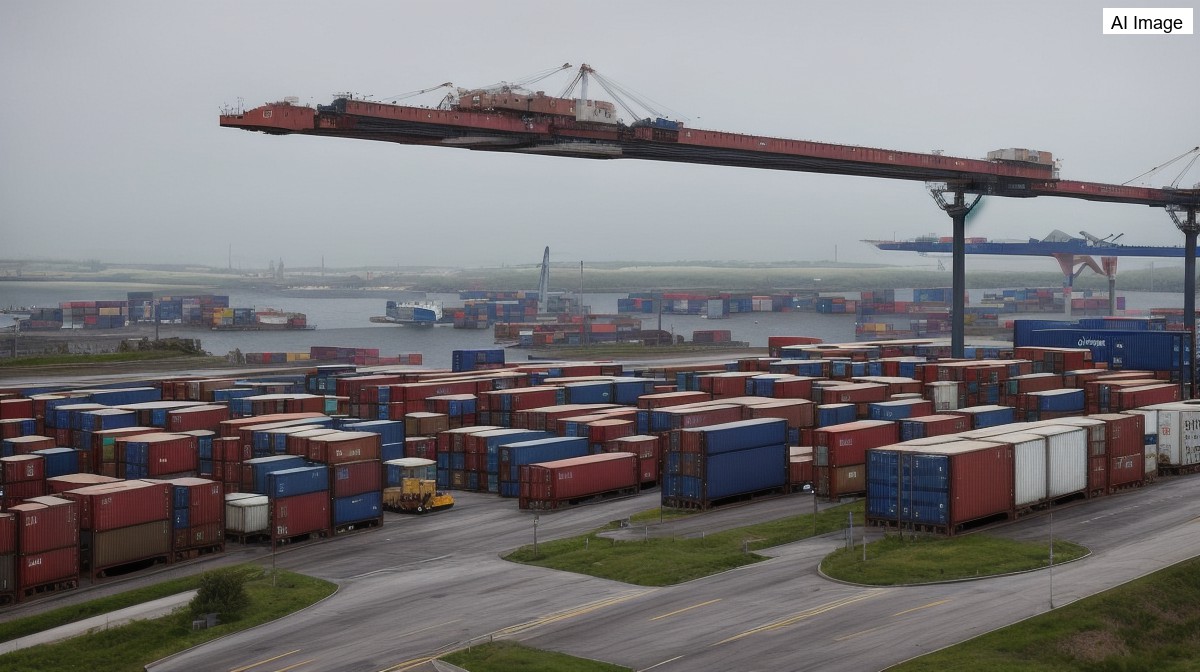
A new and much steeper phase of the trade conflict between Canada and the United States has arrived, with 50 percent American levies now in effect on a wide range of Canadian-made products exported south of the border. The tariffs took hold after negotiations between Ottawa and Washington failed to produce an agreement, ending weeks of on-again, off-again talks that had at times appeared close to a breakthrough.
Prime Minister Mark Carney responded by declaring that the United States tariffs will be matched dollar for dollar, a step he acknowledged means that life could become a bit more expensive for Americans as well. Rather than striking a defiant tone, Carney framed the countermeasures as a proportionate reply, signalling that Canada would not absorb the new duties without a response of its own.
Crucially, Carney is not moving to impose those retaliatory tariffs immediately. He has said Canada will hold off until September 8 before applying its counter-levies, a delay that several observers read as a deliberate effort to leave the door open. The pause gives both governments a window of breathing room and keeps alive the possibility that the two sides could return to the negotiating table before the measures bite.
The reaction from President Donald Trump was strikingly restrained. He offered no comment until the early hours of the morning, and when he did, it ran to fewer than 30 words. His statement said that Canada wants to have the benefits of being a state without actually being one, but he pointedly avoided the language he has used before, making no mention of a 51st state and not naming Carney at all. It was, by his standards, an unusually calm and muted response.
Political leaders on both sides of the border weighed in. Senator Susan Collins, a Republican facing a tight race for her seat in Maine, came out against the tariffs, warning that if the administration proceeds they will increase costs for Maine families. Democratic governors also voiced opposition, and former Vice President Mike Pence cautioned that the last thing the economy needs, as it is getting back on its feet, is a trade war.
Businesses are already bracing for the impact, with certain sectors expected to be hit hard. Analysts pointed to a double bind for Canadian exporters, warning that in many cases the affected products simply will not be bought, translating into lost revenue on top of the duties themselves. The alcohol industry was singled out as especially exposed on both sides of the border, with one American industry figure saying that exports had already fallen by 73 percent.
Despite the pressure, there were signs the Canadian economy has held up. Unemployment has not spiked and in recent months has actually been edging down, a point officials cited as evidence of resilience. Even so, the underlying message from those tracking the dispute was that the two governments will eventually have to get back to negotiations, with the weeks before September 8 shaping up as a critical test of whether talks can resume before the retaliatory measures take hold.