A distinctive housing project in Ottawa has officially broken ground, with local Indigenous and faith leaders gathering to mark the start of construction. The development is designed to build dozens of culturally appropriate homes for Indigenous people, and those behind it are describing the moment as an important step forward for both reconciliation and affordable housing in the city.
The project carries the name Odeonoway, which means little village in Ojibwe, and it is a collaboration between Ontario Aboriginal Housing Services and the First Unitarian Congregation. The plan is to build 66 affordable rental units that are Indigenous-led and culturally appropriate, a design intended to reflect the needs and traditions of the community the housing is meant to serve rather than a standard apartment block.
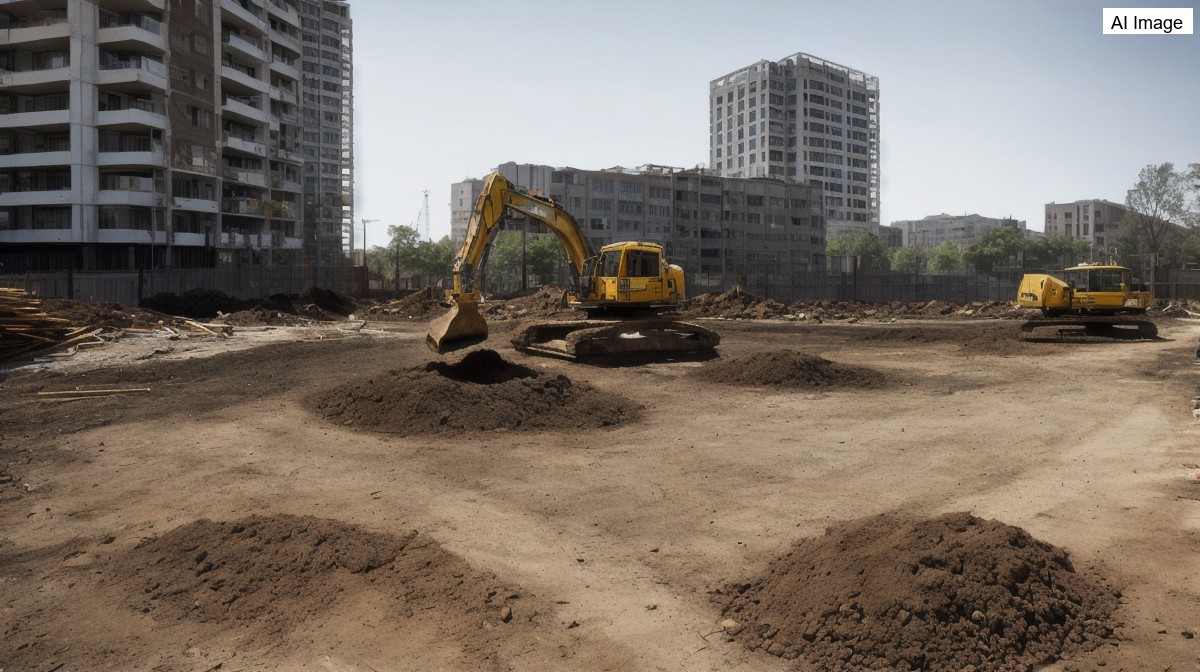
Before the official groundbreaking, a traditional water and cedar ceremony was held on the land, grounding the construction milestone in Indigenous practice. The six-story building will rise on a site that was formerly used as a parking lot by the church, turning underused land owned by the faith community into homes. Organizers say the programming wrapped around the residents will include cultural elements such as the drumming seen at the ceremony.
The path to this point has been a long one. The project was first announced three years ago and was greenlit by the city in 2024, with the intervening time taken up by the process of moving it forward. Because the First Unitarian Congregation is a faith community with a democratic decision-making process, its leaders said they had to return to the congregation several times to secure the approvals needed to keep advancing the plan.
Once complete, the 66 rental units will be a mix of single and family homes, and Ontario Aboriginal Housing Services estimates the development will house more than 100 people. The organization says the units could be ready as early as April 2029. For the leaders involved, those numbers represent a concrete response to what they describe as an urgent and growing need for stable housing within the Indigenous community.
That need is underscored by the city's own data. In Ottawa's 2024 point-in-time count, nearly 20 percent of people experiencing homelessness identified as Indigenous. Advocates note that the pattern extends well beyond the capital, pointing out that point-in-time counts across Ontario show urban Indigenous people making up anywhere from 20 percent to as much as 80 percent of the homeless population in some areas, a disparity they call impossible to ignore.
For Indigenous leaders at the ceremony, the significance goes beyond the building itself. They stressed that shelters, in their experience, are rare, brief and non-recurring, and should not be treated as the foundation for housing Indigenous people. Instead, they argued, the community needs to start with housing, including supportive and transitional homes. Odeonoway is also part of a broader effort by the congregation, which is working to build 229 new rental units in the city overall.