Egypt is moving ahead with plans for a major renewable energy project valued at around $15 billion, one of the most significant clean-power undertakings the country has pursued. The scale of the investment signals a serious commitment to expanding Egypt's generating capacity through renewable sources rather than fossil fuels.
The scheme, known as the El Tor Green Valley project, is being developed in South Sinai. The location places the project in a region with strong renewable potential, and it is set to become a substantial new node in the country's power infrastructure as the plans move forward.
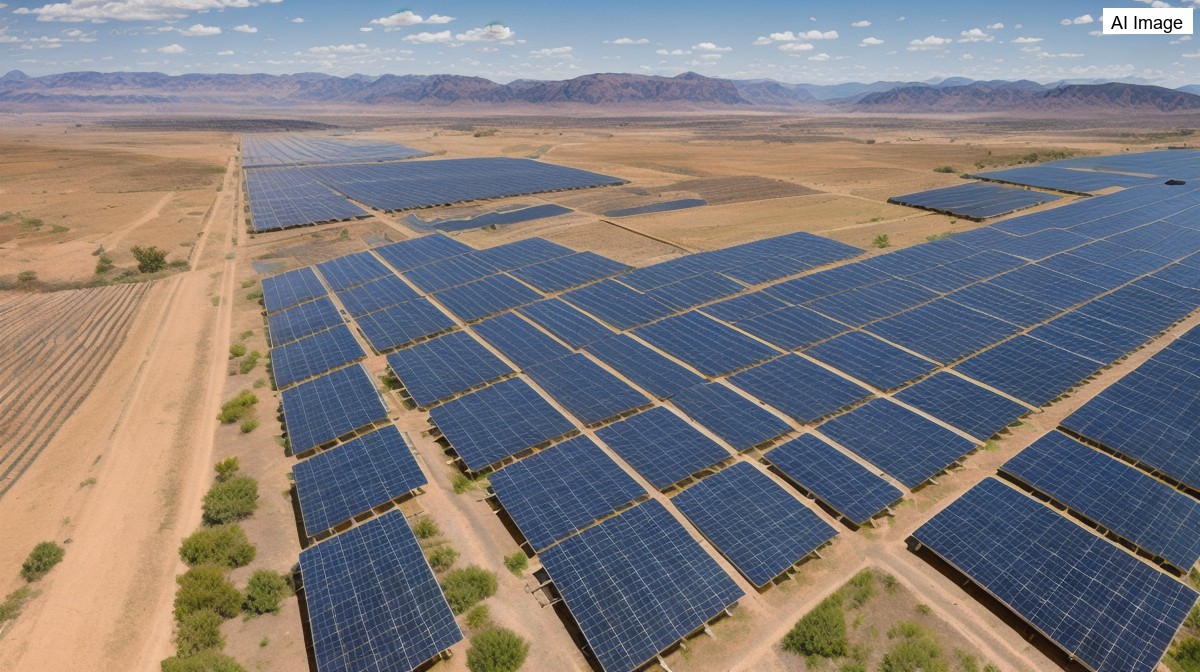
Rather than relying on a single technology, the project is designed to combine solar and hydropower. Pairing the two allows the development to draw on abundant sunshine while using hydropower to complement generation, creating a more flexible and reliable output than either source would provide on its own.
A central feature of the project is its capacity for large-scale energy storage. Storage is a critical component for renewable systems, since it helps smooth out the variability of solar generation and allows electricity to be dispatched when it is needed most, strengthening the stability of the wider grid.
Once operational, the project could supply nearly 10 percent of Egypt's electricity by 2030. Meeting close to a tenth of national demand from a single renewable development would mark a meaningful shift in the country's energy mix and support its broader transition toward cleaner power.
A key strategic aim behind the investment is to reduce Egypt's reliance on imported gas. By generating a large share of power domestically from renewable sources, the country would be less exposed to the cost and supply pressures that come with importing fuel, improving its energy security over time.
The project is planned with a lifespan of up to 50 years, underscoring its intended role as long-term infrastructure rather than a short-term addition. Officials also expect up to 30 percent of the development to be delivered locally, a provision that would channel part of the construction and supply work into the domestic economy.