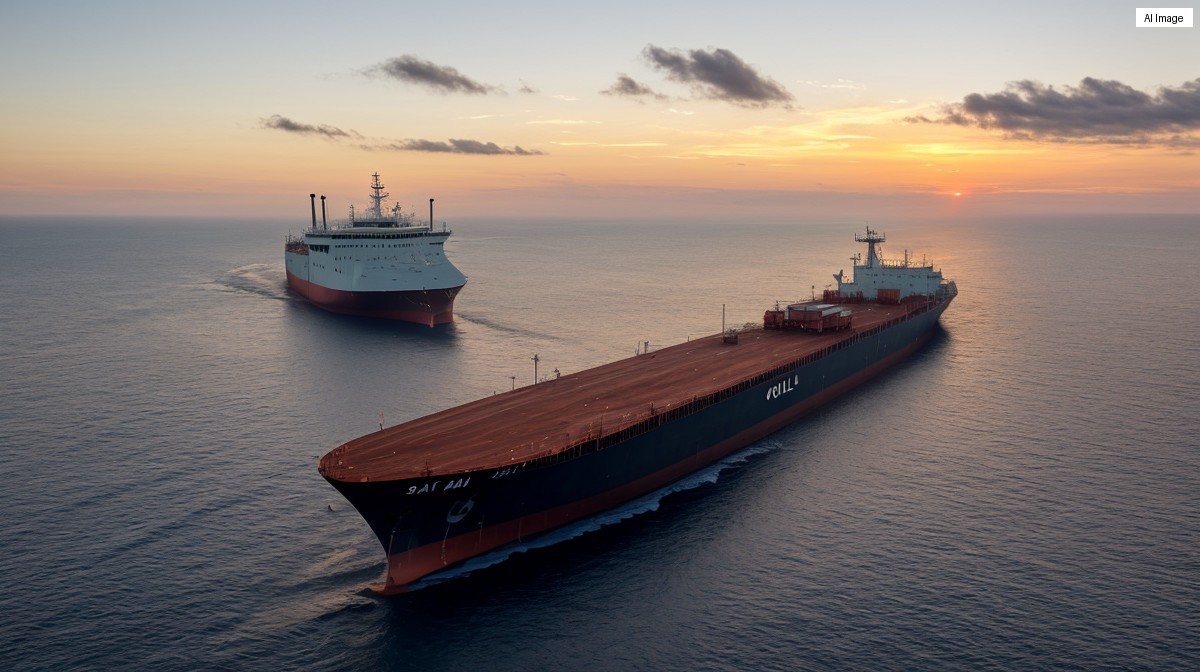
Brent crude oil has fallen below 100 dollars per barrel for the first time since the Strait of Hormuz was effectively closed three months ago, marking a significant milestone in the energy crisis that has gripped global markets. The benchmark dropped approximately 4.5 percent in early Asian trading on Monday as markets digested the prospect of a deal between the United States and Iran.
The decline was triggered by growing expectations that a ceasefire agreement could lead to the gradual reopening of the Strait of Hormuz, through which roughly 20 percent of the world's oil supply passes. Both WTI and Brent futures fell sharply, with traders pricing in a potential de-escalation of the geopolitical risk that has kept energy prices elevated for months.
However, energy analysts are urging caution. Karen Young, senior research scholar at Columbia University, told Bloomberg that even if the strait reopens, normalisation of oil flows could take three to four months. Kuwait Petroleum has indicated that resuming production from wells would require a similar timeframe, while the UAE has said reaching 80 percent of normal production would also take months.
The price decline is particularly significant for consumer nations that have been bearing the brunt of elevated energy costs. India has raised petrol and diesel prices four times in ten days, Japan's gasoline subsidy fund is running out, and European economies have been struggling with inflation driven by energy costs since the crisis began.
Market participants remain cautious about declaring the energy crisis over. Analysts note that refined product shortages, particularly in diesel and jet fuel, will take months to unwind regardless of crude price movements. Pipeline diversions through the UAE and Saudi Arabia are likely to remain in place as permanent infrastructure changes, meaning the pre-crisis energy landscape may never fully return.