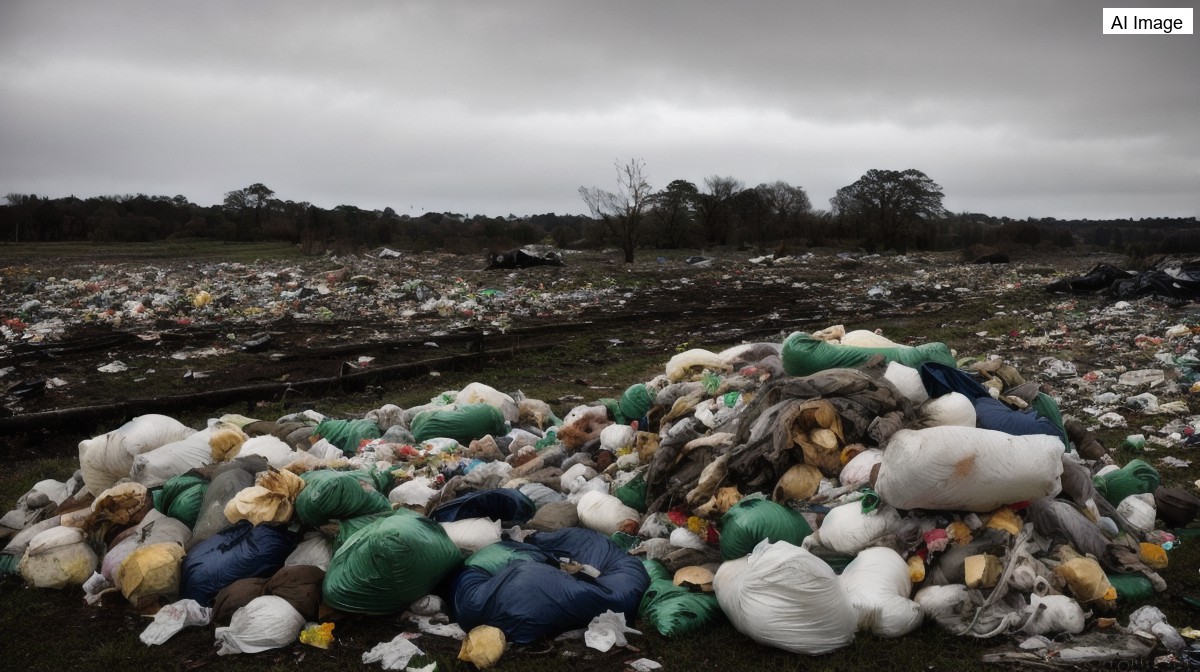
Fines for criminals who dump waste illegally in the United Kingdom are set to rise sharply, jumping from £300 to £5,000 as the government responds to growing public anger over mountains of rubbish piling up across the country. The move is being presented as part of a wider crackdown aimed at the criminal gangs that profit from fly-tipping.
Alongside the tougher penalties, government funds are being diverted to help clean up three enormous mounds of rubbish in Kent, Surrey and West Yorkshire. One of those sites, on the Isle of Sheppey in Kent, is among the places the Prime Minister has promised to clear as part of the effort to bring those behind waste crime to justice.
The new approach goes beyond simply raising fines. It also includes bringing in drones for surveillance to monitor illegal dumping and giving local councils more power to deal with the problem. Officials frame the pledge as a way to protect communities blighted by the waste that has been left to accumulate near where they live.
The scale of the challenge is significant, and the concerns go beyond the sheer volume of rubbish. At sites investigated by Sky News, including one at Ranskill in Nottinghamshire, the issue is not only how much waste has been dumped but what is in it. An earlier Sky News investigation revealed chemical substances present in the materials being dumped there.
There are also signs that the criminal gangs are adapting to enforcement. Instead of piling rubbish high in the open, some are now burying it in the ground, a shift in tactics that makes the waste harder to detect and to trace back to those responsible. The strong plasticky smell and visible smoke at some sites underline the environmental risks involved.
Not everyone is convinced the announcement goes far enough. A local councillor from one affected area welcomed any additional help as a positive step, but expressed shock and disappointment that a site holding a reported 55,000 tonnes of waste was not among the three earmarked for immediate clearance, leaving that community still waiting for action.
Legal experts have also questioned how much practical difference the new plans will make, raising doubts about whether the measures will translate into a real reduction in illegal dumping. The government, for its part, casts the package as a firm pledge to protect communities from fly-tippers, framing waste crime as an issue that goes beyond cleaning up and into tackling organised criminality and environmental harm.