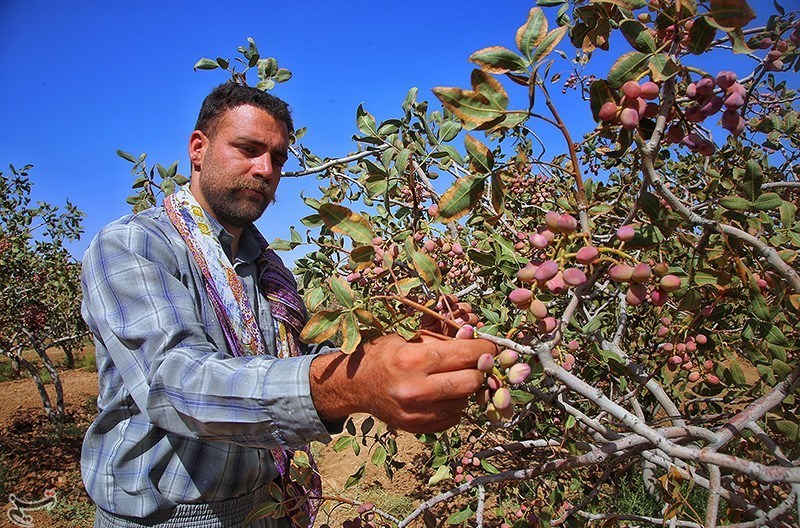
A few years ago, almost no one outside the Gulf had heard of a crunchy, pistachio-filled chocolate bar known as Dubai chocolate. Today it is one of the most craved sweets on the planet, and the frenzy around it has quietly reached all the way back to farms in Iran and California. The same is true of matcha, the vivid green Japanese tea powder that has gone from niche ceremony to global obsession. In 2026, two foods pushed to fame by social media collided with a stubborn reality: the world's farms cannot be scaled at the speed of a viral video.
This is not a story about a passing fad. It is a story about how taste travels now, how a clip watched by millions can empty shelves on the other side of the world within weeks, and how the gap between instant demand and slow agriculture has become one of the most interesting forces in food.
Dubai chocolate first went viral in 2021, and by every expectation it should have burned out like most internet food crazes. Instead it kept climbing, with global search interest still up hundreds of percent year over year long after the original video peaked. Big chains folded it into their menus, from a Dubai chocolate matcha drink at Starbucks to a pistachio shake at Shake Shack, and the pattern began to look less like a fad and more like the way bubble tea, cronuts and matcha itself once graduated from novelty to permanent fixture.
That relentless demand landed on pistachios, the bar's key ingredient, at the worst possible time. It would be too simple to say Dubai chocolate caused a pistachio shortage, and experts are right to push back on that headline. The squeeze was really a pile-up of forces: droughts in Turkey and Iran, two historic pistachio powerhouses, below-expectation 2025 harvests, and conflict that disrupted Iranian exports and the shipping lanes they rely on. The viral chocolate craze then poured booming demand on top of already tight supply.
The result was felt in prices. Pistachios climbed to their highest levels in about eight years, with wholesale prices jumping from around $7.65 to more than $10 a pound, and even premium chocolate houses reportedly scrambling to secure enough nuts. A snack that fits in your hand had become a small case study in how a global craving can ripple through weather, geopolitics and a single fragile crop all at once.
Matcha tells a parallel story. Demand has exploded worldwide, with the global market widely expected to keep climbing for years, and Japan has struggled to produce enough of the shaded leaf, called tencha, that real matcha is ground from. The shortage has been sharp enough that some Tokyo tea shops rationed sales to one tin per customer, and prices leapt: a small 40-gram tin that once cost around 1,500 yen was seen selling for several times that, while auction prices for the raw leaf roughly doubled from the previous year.
Behind the scenes, farmers began shifting from ordinary green tea to the more profitable tencha, and a wave of imitation matcha appeared to fill the gap, prompting warnings for buyers to check what they were actually getting. A centuries-old craft was suddenly straining to satisfy a demand curve drawn by smartphones.
For the traveler and the food lover, these crazes have created something new: destinations you visit for a single bite or sip. Fans have reportedly flown thousands of miles simply to taste the original Dubai chocolate, and matcha pilgrims plan trips to Japan around the tea. It is part of a wider shift some are calling travel through taste, where a city or country becomes a bucket-list stop because of one flavour that first reached you through a screen. Dubai and Japan have both leaned into it, turning viral fame into genuine culinary tourism.
The scale of these cravings shows up clearly in the figures:
What Dubai chocolate and matcha reveal is that a food trend is no longer just a moment; it is an economic event. A craving born on a phone can travel the globe faster than any farmer can plant a tree or any tea master can shade a field, and the shockwaves land on real growers, real prices and real supply chains. For anyone who loves to eat and to travel, it is a thrilling time, full of new flavours worth crossing the world for. It is also a quiet reminder that behind every viral bite is a piece of land, a harvest and a season that cannot be rushed, no matter how many people are watching.