Ethiopia has made global headlines by becoming the first country in the world to implement a complete ban on the import of fossil fuel-powered vehicles. Under the groundbreaking policy, only electric vehicles are now permitted to enter the country, marking a dramatic and unprecedented shift in national transportation policy that has attracted attention from governments and environmental organisations worldwide.
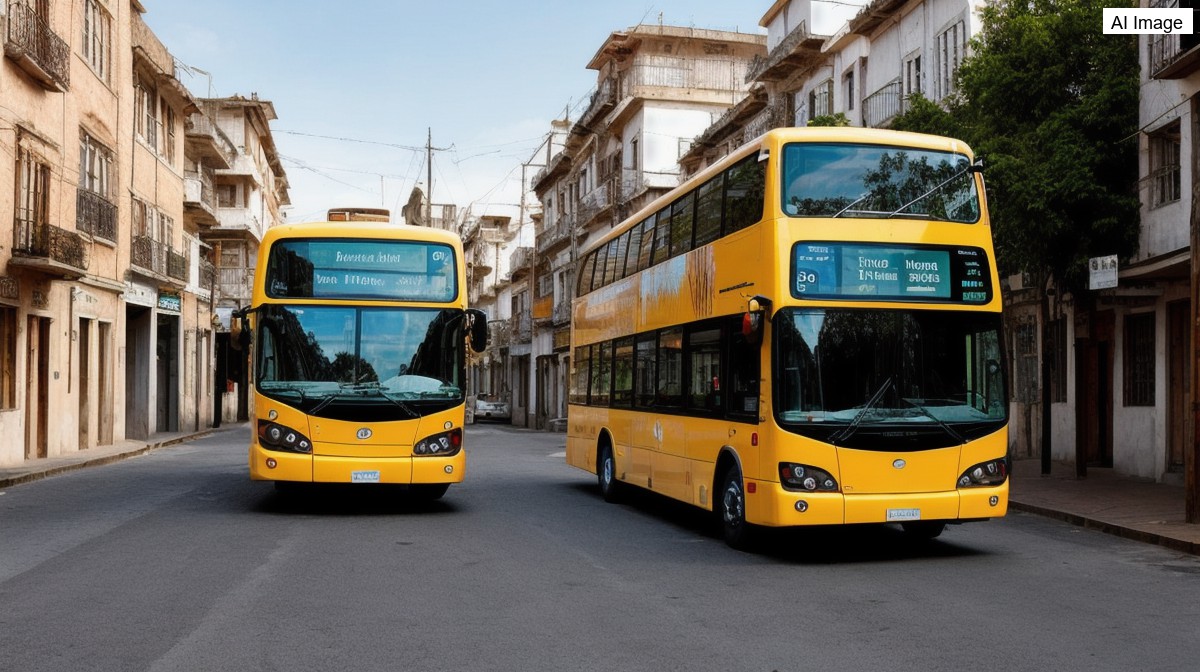
The transformation is already visible on the streets of Ethiopian cities, where electric buses are increasingly replacing their gasoline-powered predecessors. Bus driver Shashe Asimare, who handles the large steering wheel of one of the new electric buses, has noted that the vehicles are very different from the gasoline ones he previously operated, describing a fundamentally changed driving experience.
The policy represents what experts describe as a bold leap in the global transition toward sustainable transportation. While many countries have set future targets for phasing out internal combustion engines, Ethiopia has taken the dramatic step of implementing an immediate ban on fossil fuel vehicle imports, positioning itself as a pioneer in the electric vehicle revolution on the African continent.
Ethiopia's decision is driven by a combination of environmental and economic factors. The country generates the vast majority of its electricity from renewable sources, particularly hydroelectric power from the Grand Ethiopian Renaissance Dam and other installations. This abundant clean energy supply makes the switch to electric vehicles both environmentally logical and economically advantageous, as it reduces the country's dependence on expensive imported petroleum.
The ban has significant implications for the automotive industry in Africa. Vehicle manufacturers and importers who previously supplied fossil fuel vehicles to the Ethiopian market must now pivot entirely to electric offerings. This shift is expected to stimulate investment in charging infrastructure, battery technology and related services across the country.
International observers note that Ethiopia's approach could serve as a model for other developing nations, particularly those with abundant renewable energy resources. The country's willingness to take decisive action on vehicle emissions challenges the assumption that the transition to electric transportation must be led exclusively by wealthy, industrialised nations.
The implementation of the ban is being closely watched by neighbouring African nations, several of which are considering similar measures. If Ethiopia's experiment proves successful in reducing urban air pollution, cutting fuel import costs and creating new economic opportunities in the electric vehicle sector, it could accelerate the adoption of comparable policies across the continent and beyond.