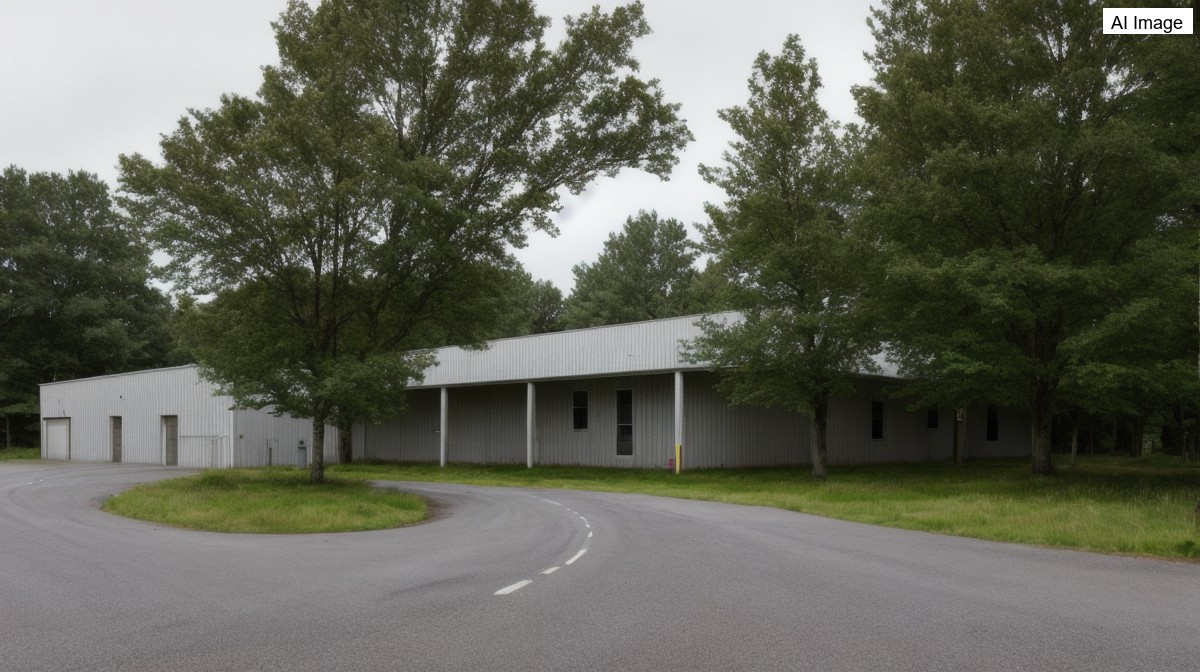
A plan to expand a data center in Orangetown, in New York's Rockland County, has divided the surrounding community, setting supporters of the project against residents who worry about its place in their neighborhood. The dispute centers on DataBank, the company behind the facility, and it is coming to a head as the local planning board prepares to weigh whether the next phase of the development should move forward.
The company has pushed back firmly against the criticism. Its chief executive, Raul Martynek, defended the expansion and argued that the data center industry is being unfairly singled out. In his view, the facility is being treated as a problem even though it operates much like other large commercial buildings, and he framed the backlash as part of a broader wariness toward data centers rather than anything specific to how this one is run.
Central to his argument is the question of money. Martin pointed out that the building, which covers 130,000 square feet, pays 2.1 million dollars a year in taxes. He described that as a substantial amount of tax revenue that can then flow back into the community, presenting the facility not as a drain on the area but as a steady contributor to local coffers that helps fund public services.
He also drew attention to how quickly local attitudes can change. When the Chase data center first came in, he recalled, people cheered it, welcoming the arrival of the facility. Yet in a short few years, as he put it, the same kind of project came to be seen as the villain, with the warmth of the initial reception giving way to suspicion and opposition among residents.
Local officials are caught in the middle of those competing pressures. Orangetown supervisor Theresa Kenney acknowledged that residents are concerned about the expansion, a recognition that the unease in the community is real and that it cannot simply be dismissed. Her position reflects the difficulty of balancing the economic case made by the company against the anxieties of the people who live nearby.
Among those residents is David Rosen, who lives next to the DataBank location. Rosen did not reject data centers outright, agreeing that they are necessary, but he attached a clear condition to that acceptance. He argued that such facilities need to be built with precautions, in places that have proper standards, and crucially that they should be kept away from residential communities rather than placed alongside people's homes.
The disagreement now moves toward a formal decision point. The Orangetown Planning Board is set to review the DataBank phase two application on July 8th, a session that will test whether the company's economic arguments or the residents' concerns carry more weight. Until then, the community is left to follow a debate that pits the promise of tax revenue against the desire to keep heavy infrastructure at a distance from where families live.