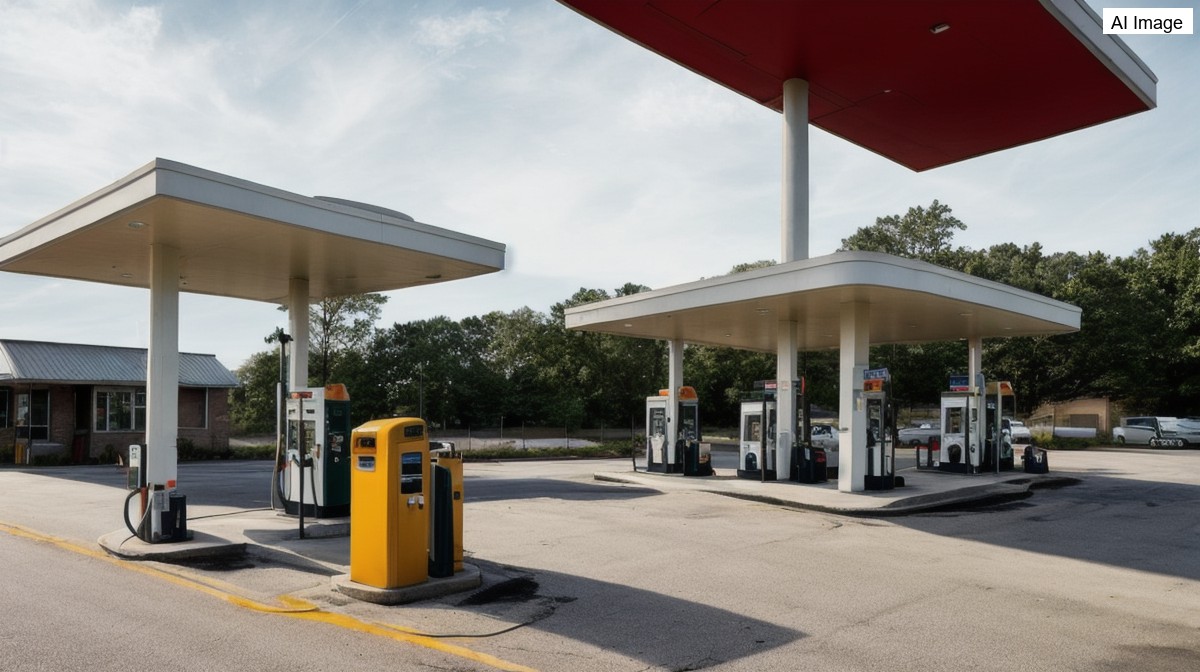
The U.S. Environmental Protection Agency is stepping in to try to bring down gas prices, issuing an emergency fuel waiver aimed at easing the pressure Americans are feeling at the pump. The move is a direct response to a stretch of surging prices, and it uses one of the levers the federal government has to influence how much gasoline is available and how quickly it can reach drivers.
At the center of the waiver is a change to seasonal fuel rules. Starting September 1, the agency is ending summer-blend gasoline requirements earlier than usual. Those requirements are normally in place through the warmer months, and lifting them ahead of schedule is intended to loosen the constraints that can keep supply tight and prices elevated during peak driving season.
In practical terms, the waiver changes what kind of fuel can be sold. It allows gasoline containing 10 percent ethanol to be sold at higher vapor pressures than would otherwise be permitted under the summer rules. That technical adjustment expands the pool of fuel that can legally go to market, giving refiners and retailers more flexibility in what they can offer.
The stated goal of the change is to increase how much fuel is available across the country. By allowing the higher-vapor-pressure gasoline, the EPA is trying to boost the nation's supply through the middle of September. The idea is that more available fuel should help relieve some of the upward pressure that has been pushing prices higher.
The urgency behind the waiver is reflected in the latest price data. According to AAA, national gas averages have hit 4.10 dollars a gallon, a level high enough to squeeze household budgets and draw political attention. That figure underscores why the agency chose to act now rather than wait for the normal seasonal transition to run its course.
The current stretch is not just expensive but historically so. The price climb has made August the highest month on record, a marker that frames just how far costs have run up. For drivers already stretching to cover fuel, that record adds weight to the concerns that prompted the federal response.
The waiver is a short-term tool rather than a permanent fix, targeted at the window through mid-September. Whether it delivers meaningful relief will depend on how refiners and retailers respond and how the broader fuel market moves in the coming weeks. For now, the EPA's action signals that the government is trying to blunt the impact of record prices before the situation drags on any longer.