New York City's sanitation workers are increasingly running into a hidden danger on the job: used needles buried in the bags of trash they lift every day. The city's Sanitation Department says more and more of its employees are being pricked by those needles, turning a routine part of the work into a source of real fear for the people who keep the city's streets clean.
The scale of the problem is spelled out in the department's own figures. Forty-nine workers were pricked by needles this year alone, and 140 have been stuck over the last three years. The trend is climbing rather than easing, with the annual count rising from 36 needle-related injuries three years ago to 49 this year, a jump that has pushed the issue up the department's list of workplace safety concerns.
For the workers themselves, the numbers translate into a constant sense of dread. Sanitation worker Jason Levy described the fear of reaching into a bag and getting poked by something sharp as one of his biggest worries on the job. That anxiety, shared by many of his colleagues, sits behind every collection run, because a single unseen syringe in an ordinary garbage bag can cause an injury in an instant.
Officials believe part of the increase is connected to a broader shift in how many New Yorkers manage their health. The department says the rise may be driven by the growing number of people now using needles at home to inject GLP-1 weight-loss drugs. Doctors within the Northwell health system say the trend is real, pointing to an 11 percent rise in patients using GLP-1 medications overall as more of these injections make their way into household trash.
The medical community says education is a big part of the answer. Endocrinologists within Northwell say they already teach patients about proper needle disposal, but the surge in home injections has created new risks that were not widely anticipated. The concern is that many people using these drugs simply do not know that tossing a loose needle into the regular trash puts sanitation workers directly in harm's way.
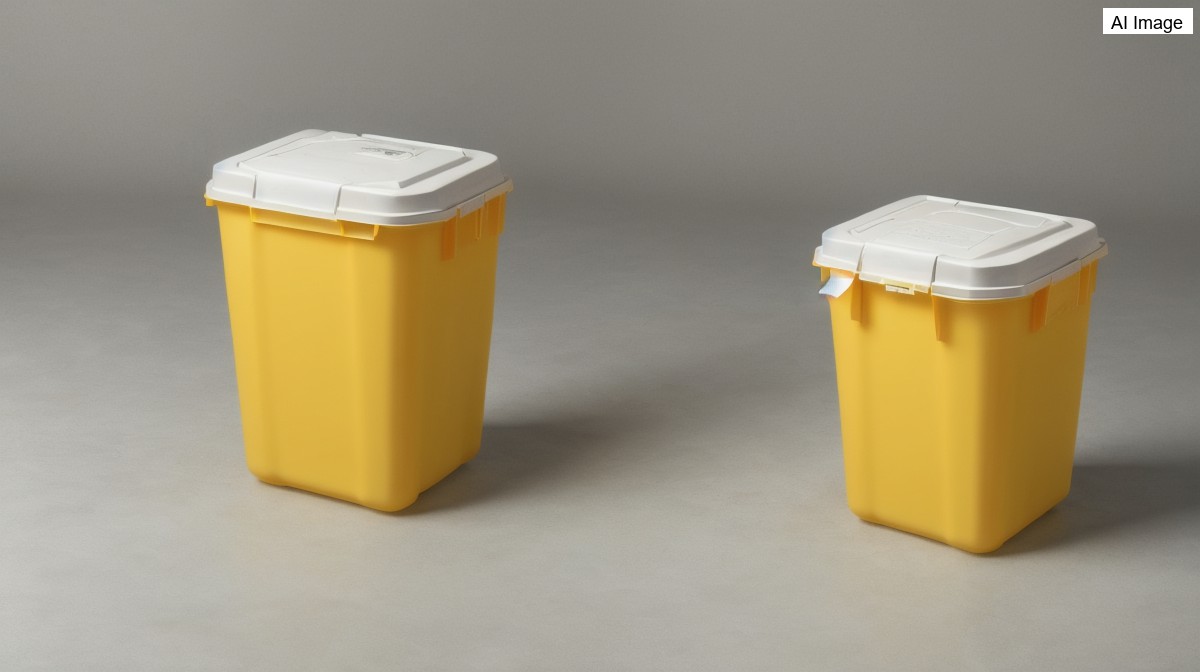
To close that gap, the Sanitation Department has put out a public service announcement demonstrating how to dispose of needles safely. Officials are urging residents to place used syringes and other sharps in a hard plastic sharps container before throwing them away. For those without one, the department suggests a do-it-yourself version made from an empty laundry detergent bottle, clearly labeled as sharps and marked not to recycle.
Beyond awareness campaigns, the department is also looking to tighten the rules. Sanitation is proposing to increase the fines for people who improperly dispose of needles, raising the penalty from 100 dollars to 250 dollars for violators. A public hearing on the proposal is scheduled for next month, and officials hope the combination of stiffer penalties and clearer guidance will finally start to bring the injury numbers down for the workers most exposed to the risk.