The Department of Homeland Security is planning to equip immigration agents with a new piece of equipment: gloves that can deliver electric shocks. According to a report on the plan, the gloves are similar to a taser but do not use as much voltage, and they are a type of device currently used most often in prison settings. Officials describe the gear as something Immigration and Customs Enforcement agents could soon be armed with in the field as part of their standard equipment.
The scale of the plan is significant. According to proposal documents that have been submitted, the Department of Homeland Security is looking to spend as much as twenty million dollars on the gloves. The department has framed the purchase as part of its wider effort to keep assessing what its officers need while carrying out their duties, tying the spending to the equipment it says agents require to do their jobs safely.
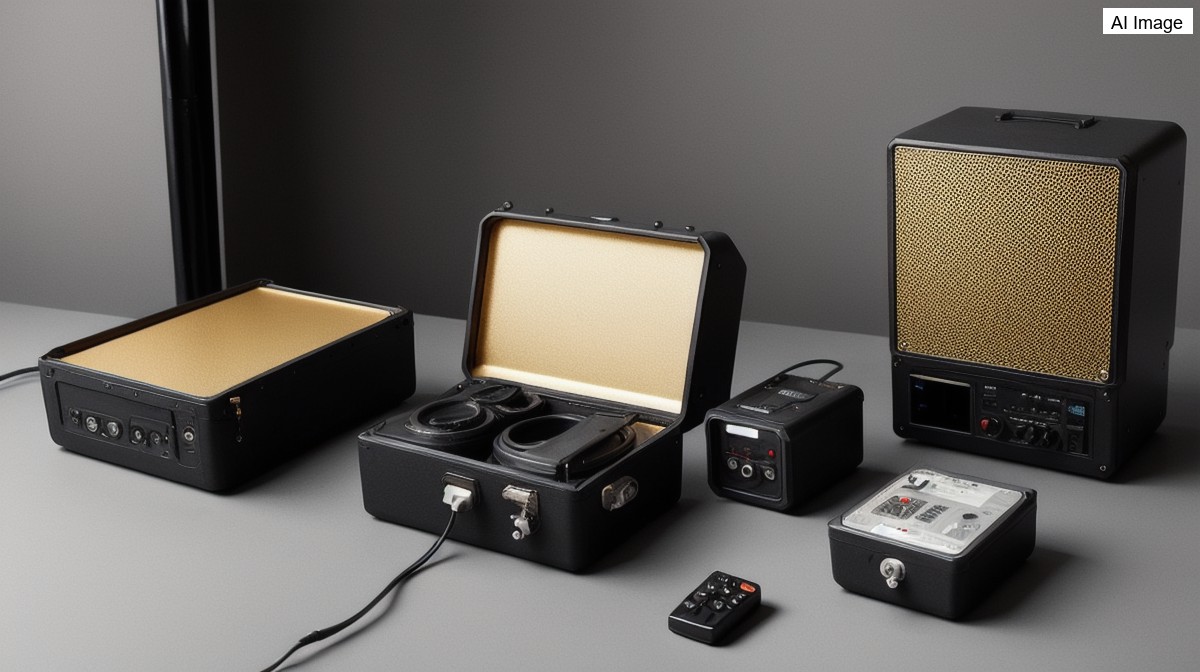
The device itself is known by the acronym GLOVE, which stands for Generated Low Output Voltage Emitter, a name that points to the lower level of electrical charge it is designed to produce. The company that manufactures the gloves has been demonstrating their power on social media, showing how the equipment works and drawing attention to the technology as the plan to hand it to immigration agents has come to light.
According to the company, there are specific conditions for the gloves to function. Officers must press a switch to activate them, meaning the shock is not delivered automatically or by accident. In addition, the gloves must be in direct contact with a person's skin for the electric shock to actually work, a design detail that limits how and when the device can be used during an encounter in the field.
The proposal has already generated backlash, with critics questioning the decision to add such a device to the toolkit used by immigration agents. The controversy comes alongside a separate move by the administration on oversight and accountability, which has announced that it will equip every ICE agent in the field with body-worn cameras by the end of this month, a change that would put cameras on officers as they carry out enforcement operations.
In a statement, the Department of Homeland Security said it is constantly assessing the needs of its officers in the field to ensure they have the tools and equipment necessary to carry out their work. The broadcaster that reported the story said it had also reached out to the company that makes the gloves for a response, but the manufacturer said it was unable to comment at this time, leaving key questions about the rollout unanswered for now.