Montclair State University is adding a new way for students to experience their coursework, according to the report. The university is opening a new virtual reality facility in partnership with Dreamscape Learn, a collaboration that brings immersive technology onto campus. The idea is to turn ordinary lessons into something students can actually enter and move through, rather than only read about or watch on a screen.
The facility leans on a mix of technology to blur the line between the classroom and the subject at hand, as reported. The high-tech space uses motion capture, simulated touch and movement to make lessons more interactive. By tracking how people move and adding sensations of touch and motion, the setup is designed to make the virtual environments feel more convincing than a standard video or slideshow would.
At the heart of the project is a simple goal, according to the report. It aims to give students the chance to step inside what they are learning, placing them within a lesson instead of keeping them at a distance from it. That approach reflects a growing interest in using immersive tools to help students engage more directly with material that can be hard to picture from a textbook alone.
A representative described how varied those virtual lessons can be, according to the report. As they put it, it is a great way to do something new and different, with students going off to the Himalayas to solve chemistry problems. The example points to how the technology can drop learners into dramatic settings that would otherwise be impossible to visit as part of a normal class.
The examples went beyond science, as reported. The representative described students going into the Hagia Sophia in Istanbul to understand that magnificent building, and into an ancient Egyptian tomb to learn about ancient Egypt. Those scenarios show the facility being used across very different subjects, from architecture and history to the ancient world, all through the same immersive system.
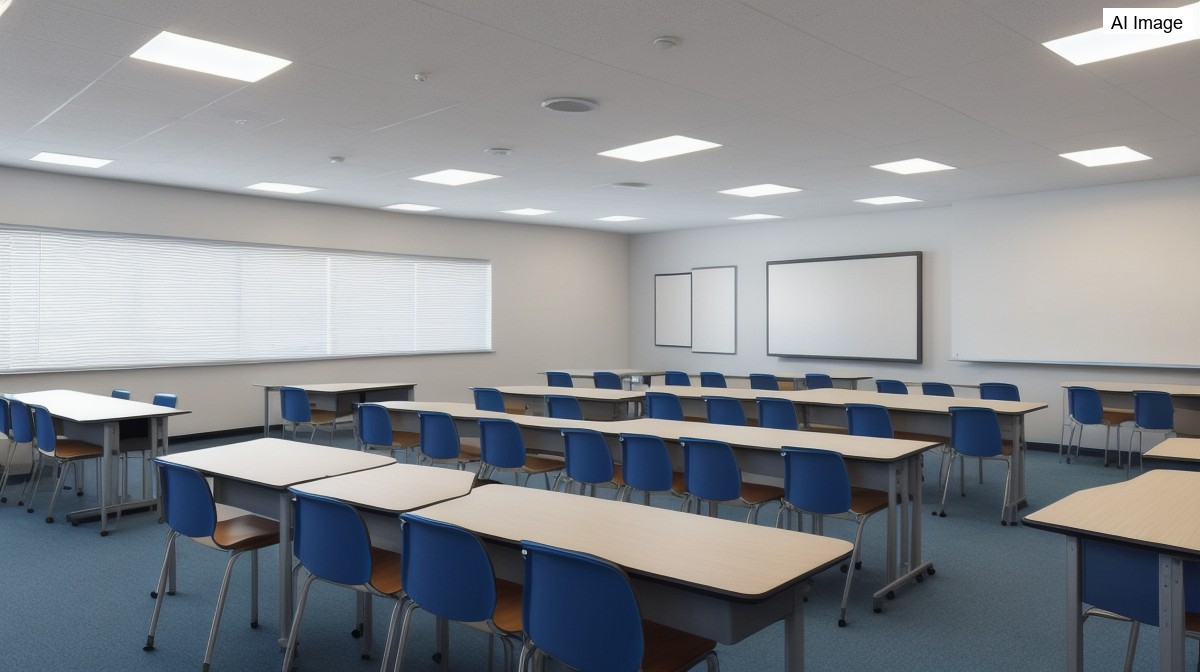
The physical space itself is a sizable addition to the campus, according to the report. The facility spans nearly 2,500 square feet and includes a 26-seat classroom, giving groups of students room to take part in the same virtual experience together. That classroom setup suggests the technology is meant for regular, structured lessons rather than only occasional demonstrations.
The facility is also built to reach students well beyond a single department, as reported. Alongside the classroom, it includes a free-roam pod that is open to students across different majors, opening the immersive tools up to a wide range of programs. That broad access points to the university treating virtual reality as a shared resource for many kinds of learning rather than a niche tool for one field.