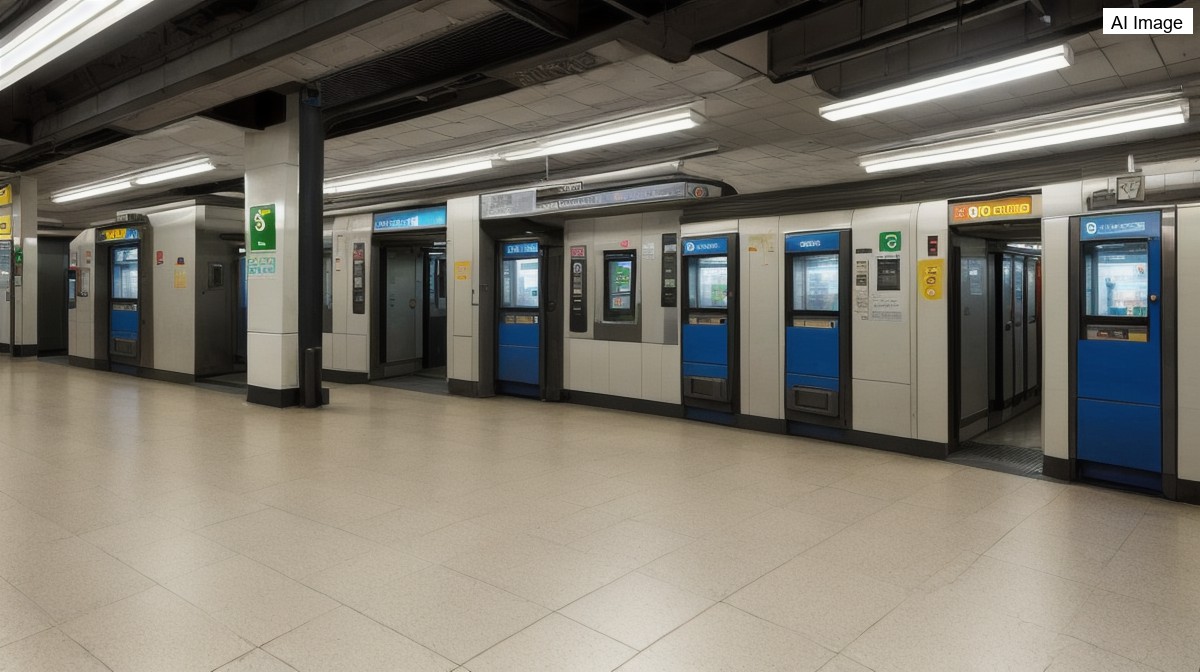
A familiar fixture of the New York City subway is finding a second life in private hands, according to the report. The Metropolitan Transportation Authority put its retired MetroCard vending machines up for auction, and for this sale 60 of the machines were placed on the block. The devices, once a routine part of nearly every station, are now being sold off to buyers who see value in owning a piece of the transit system's recent past.
The machines carry a specific slice of subway history, as reported. The MetroCard vending machine first appeared in the subway in 1999 and became a standard sight for riders buying and refilling their fare cards. The last one was taken out in 2025, marking the end of an era for the technology, which is why the auctioned units now stand as artifacts of a system that has moved on to newer ways of paying.
For some bidders, winning was almost a surprise. According to the report, one buyer named Noah placed a winning bid of about 3,000 dollars, explaining that he and others had been bidding kind of as a lark and did not really expect to come out on top. He described the machine as something to look at and said he might lend it out for productions and similar uses, treating it as much as a curiosity as a possession.
Another buyer approached the purchase from an artistic angle, as reported. Brian, an artist who loves technology and who lived in the city for about a decade, won his machine with a bid of 2,250 dollars. He watched as movers packed up the unit for a long drive west, saying it would go to his studio space for now, though he was not yet sure what would happen to it after that.
The cost of actually taking the machines home is no small matter, according to the report. Buyers noted that shipping is likely to be more expensive than the machine itself. As one put it, the exact numbers were not yet clear, but the total was definitely up there, a reminder that the heavy, bulky units are not simple keepsakes to move from a subway station to a private space.
The machines are being sold in their original, worn condition, as reported. The electronic components have been removed, and the units come as is, dirt and grime included. Rather than seeing that as a drawback, at least one buyer welcomed it, saying the patina is the best part, valuing the marks left by years of use in the subway as part of what makes each machine distinctive.
For those taking the machines home, the appeal goes beyond the object itself, according to the report. The units were described as a piece of MTA history, and buyers expect them to become focal points of discussions wherever they end up. What was once an everyday piece of subway equipment is being reimagined as a conversation piece and a tangible link to the city's transit past for the New Yorkers and collectors who claimed them.