President Donald Trump left last month's NATO summit in Turkey through an elaborate deception designed to protect him from an Iranian threat, according to a report by The Washington Post. When the president departed the summit, the plane that the world watched him board simply took off without him aboard. The manoeuvre, described by those familiar with it as a deft and smart national security decision, only came to light with the newspaper's account and quickly became one of the more striking security stories to emerge around the president's foreign travel.
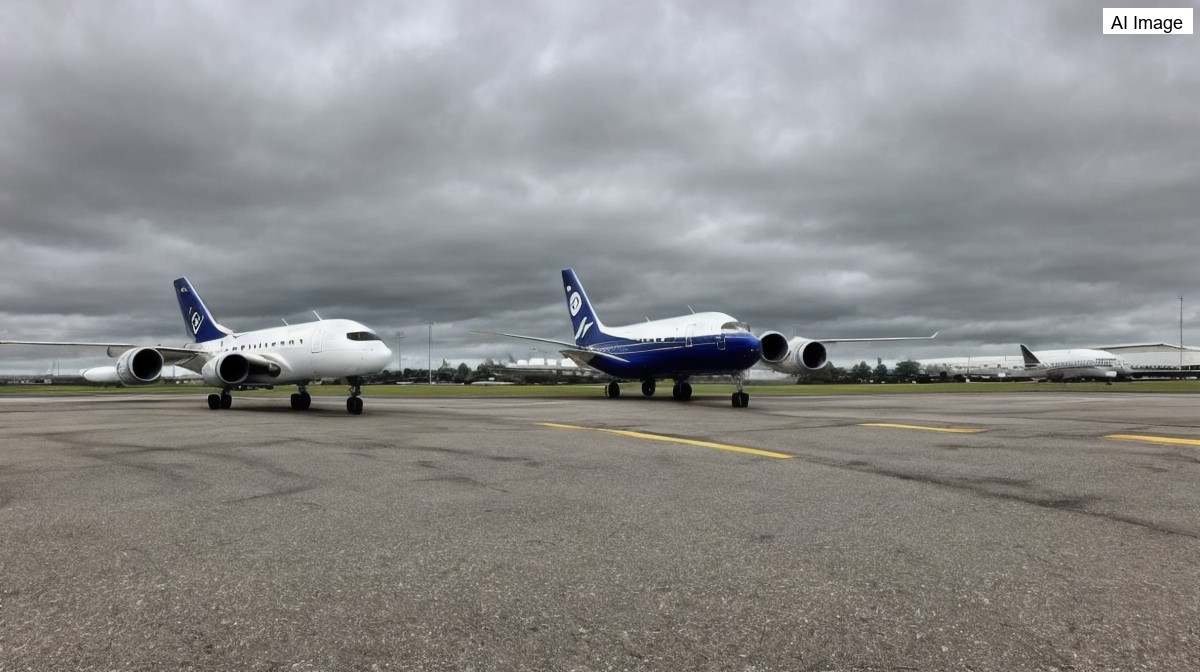
According to the Washington Post, Trump boarded the older Air Force One in front of the cameras, waving from the top of the stairs as he normally would. He then slipped out of a door on the opposite side of the aircraft and into an airport catering truck waiting on the tarmac. That truck drove him away from the presidential jet and across to a smaller military aircraft, which he used to continue his journey while the far more conspicuous plane stayed behind as a lure for anyone watching.
The deception was reinforced with several additional layers of secrecy. Staff and journalists who boarded the older Air Force One were ordered to keep their window shades closed for take-off, and the plane's tracking systems were switched off so its movements could not be followed. The tactic, according to those who described it, is a protective methodology used particularly in combat situations or in areas considered hostile, where the risk to a high-value target is judged to be especially acute.
Defense Secretary Pete Hegseth reportedly flew with the president on the smaller jet, but he boarded the aircraft separately in order to make the flight look routine and avoid drawing attention to it. The arrangement was designed so that, to any observer at the airport, nothing about the departure would appear out of the ordinary, while the real movement of the president was kept hidden from public view and from most of those travelling in his own entourage.
The operation was prompted by a credible Iranian threat against Trump, a danger the president himself referred to while he was at the summit. In blunt terms, he said that Iran wanted to take out the American leader, telling those present, in his words, that he was on every list. The account presents the covert switch of aircraft as a direct response to that assessed threat rather than as a routine precaution, underlining how seriously the danger was being treated by those responsible for his safety.
So thorough was the ruse that even the reporters travelling on Air Force One had no idea the president was not on board as their plane took off. The New York Times, citing a senior United States official, subsequently confirmed that the operation had taken place, lending further weight to the Washington Post's original reporting. The confirmation from a second major outlet turned what might have looked like an isolated claim into a corroborated account of how the president was moved.
The episode echoes an earlier moment in American history. Back in 2000, President Bill Clinton secretly flew into Pakistan aboard an unmarked jet while an Air Force One aircraft flew separately to act as a distraction, a comparison that places the latest manoeuvre within a longer tradition of such measures. Responding to the Post's story, the White House said that there are many enemies of America with their sights on the president, and that it uses every tool at its disposal to address those threats.