
Australia is on the verge of its first domestic orbital launch, reshaping the global space map.
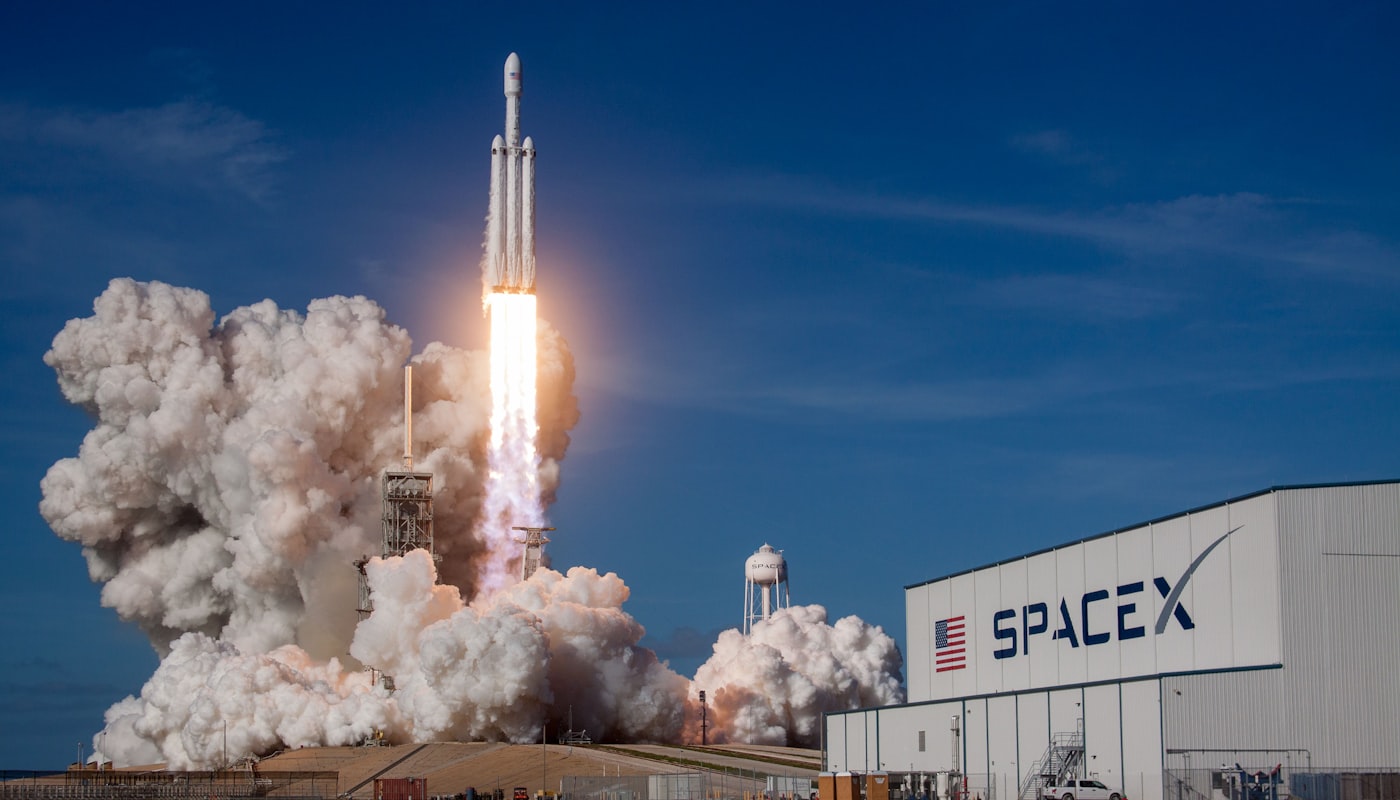
Forget Florida. The real action is happening on the salt flats of Queensland, where an Australian-built rocket is getting ready for a launch that changes everything. This isn't just a quick hop up and down; it is a serious push to get into orbit from home soil. The tension in the room is thick as engineers finalize systems that have spent years in vacuum chambers and wind tunnels. The stakes are high, and the eyes of the industry are fixed on this single, critical moment.
The Queensland Advantage
For decades, Australian space ambitions were tethered to foreign launch pads. Now, that dynamic is breaking. The recent news cycle is dominated by this single, powerful thread. It represents a shift from being a customer of space to being a participant in the infrastructure that enables it. The local economic impact is already visible in the supply chain, with suppliers across the country ramping up production. This is the moment the conversation changes from aspiration to execution.
Queensland has emerged as the epicenter of this activity. The state's geography and regulatory framework have created a unique corridor for vertical launch operations. Companies are clustering around the region, drawing talent and capital to a part of the country previously known for agriculture and mining. The proximity to the equator gives a slight gravitational advantage, but the real draw is the operational freedom. Launching domestically reduces the logistical nightmare of transporting hardware to overseas sites.
This local focus is attracting global attention. Investors are no longer just looking at the technology; they are looking at the ecosystem. The ability to test, iterate, and launch within a single national jurisdiction is a massive efficiency gain. It shortens the feedback loop for engineering teams who can see the results of their work in days, not months. This speed is a competitive weapon in the commercial space race.
The infrastructure is growing to match the ambition. New facilities are being built, and existing ones are being upgraded. The local workforce is expanding, with universities adapting their curricula to meet industry needs. This is not a temporary boom; it is the foundation of a new industrial sector. The roots are being planted in red dirt, and they are taking hold.

Capital in Orbit
Money is flowing into the sector with unprecedented speed. A prominent investor, who has quietly backed some of the country's largest space tech startups, is now moving to launch a $150 million fund. This is a significant injection of capital that signals confidence in the long term viability of the industry. The fund is designed to support companies through the critical phase between prototype and commercial operation.
This financial backing is crucial for the next generation of startups. Many promising companies die in the valley of death, where the technology works but the business model is not yet stable. The new fund aims to bridge that gap. It provides the runway needed to achieve certification, secure contracts, and build the reliability required for commercial customers. This is the fuel that will keep the engines running.
The investment landscape is maturing. Investors are no longer taking speculative bets on science fiction ideas. They are looking for proven technologies with clear market applications. This shift is attracting more institutional money and reducing the risk for early stage founders. The ecosystem is becoming more sophisticated, with a clearer understanding of the path to profitability.

Beyond the Launch Pad
The story of Australian space is not just about rockets. It is about a broader ecosystem of innovation that is spreading across the country. A Queensland based space company has recently announced a move to Adelaide, signaling a national consolidation of talent and resources. This geographic diversification is healthy, as it reduces regional risk and taps into different pools of expertise. Adelaide has a strong defense and engineering heritage that complements the new space sector.
This movement reflects a wider trend of companies seeking the best environment for growth. They are not tied to a single location; they are following the opportunities. This fluidity is a sign of a maturing industry. It means that the best minds and the best capital are moving to where they can be most effective. The national space footprint is expanding, and that is a good thing.
The collaboration between states is strengthening the overall capability. Shared knowledge and best practices are flowing across state lines, creating a more robust national industry. This is not zero sum competition; it is a collective effort to establish Australia as a serious player in the global space market. The sum of the parts is greater than the whole.

The Debris Question
As more rockets go up, the question of what comes down becomes more urgent. Recent reports have highlighted the issue of space debris, with mystery orbs washing up on Australian beaches. While some were initially speculated to be otherworldly, the explanation is far more mundane. These are fragments of satellites and rocket bodies that have re entered the atmosphere and burned up, with some pieces surviving the journey to the ocean surface.
This is a real challenge for the industry. As the number of objects in orbit increases, the risk of collisions and debris creation grows. The space community is working on solutions, including active debris removal and design standards that minimize fragmentation. This is a critical area of focus for the next decade. If we do not manage the debris environment, we risk locking humanity out of space.
The Australian space agency is actively engaged in this issue. They are working with international partners to develop standards and regulations that will ensure the long term sustainability of orbital operations. This is not just a technical problem; it is a legal and diplomatic one. The industry must demonstrate that it is responsible and sustainable if it wants to continue to grow.
A New Chapter
The launch of an Australian made rocket is a milestone, but it is also a beginning. It marks the transition from a spacefaring nation to a space launching nation. That distinction is important. It means that Australia will have direct control over its access to space, reducing dependence on foreign providers. This is a strategic advantage that will have implications for national security and economic development.
The next few years will be critical. The industry must deliver on its promises. The rockets must fly, the satellites must work, and the business models must be sustainable. The pressure is on, but the momentum is building. The foundations are being laid, and the structure is rising. We are watching a new chapter in Australian history being written in real time.
This is not a story with a neat ending. It is an ongoing process of innovation, failure, and success. The next launch will be more complex, the next satellite more capable, and the next fund larger. The trajectory is upward, and the destination is clear. Australia is no longer a passenger in the space race; it is a driver.
Frequently asked questions
 Keep subscribing to Sophie TaylorHer next filing reaches you the moment it publishes, on her own subdomain.
Subscribe
Keep subscribing to Sophie TaylorHer next filing reaches you the moment it publishes, on her own subdomain.
Subscribe