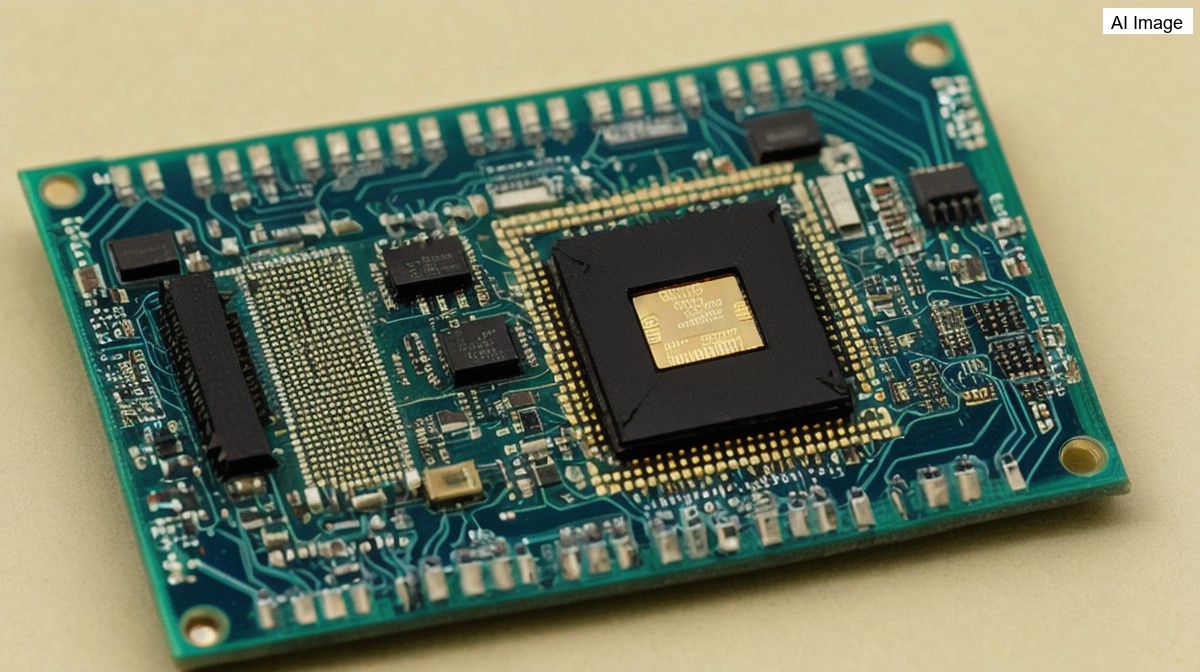
NVIDIA CEO Jensen Huang unveiled the RTX Spark superchip at the Computex trade show in Taipei, describing it as a fundamental reinvention of the personal computer. The new processor combines a Blackwell RTX GPU featuring 6,144 CUDA cores and one petaflop of AI performance with a custom 20-core Grace CPU developed in partnership with MediaTek, all connected through NVIDIA's NVLink interconnect technology.
The RTX Spark is manufactured on TSMC's advanced 3-nanometer process and packs 70 billion transistors into a single package. The chip features 128 gigabytes of unified memory shared between the CPU and GPU, eliminating the traditional bottleneck of transferring data between separate processor and graphics card memory pools. This unified memory architecture is designed to enable AI workloads that were previously only possible on data center hardware to run directly on personal computers.
In a significant strategic move, NVIDIA announced that the RTX Spark has been developed in close collaboration with Microsoft to create a dedicated Windows platform for AI agents. This partnership positions NVIDIA to compete directly with Intel in the PC processor market, marking a major expansion beyond its dominant position in AI data center chips. The move also represents a fresh attempt by Microsoft to establish ARM-based computing in the Windows ecosystem after its largely unsuccessful Copilot laptop initiative.
The partnership with MediaTek is notable as it brings together NVIDIA's GPU expertise with MediaTek's established ARM processor design capabilities. MediaTek, headquartered in Taiwan, is one of the world's largest chip designers and brings extensive experience in power-efficient ARM-based processors. The combination aims to deliver laptops that are both thinner and significantly more powerful than current offerings, with the energy efficiency needed for extended battery life.
Laptops and desktops powered by the RTX Spark superchip will be available from major manufacturers including Dell and Lenovo later this year, according to Huang's announcement. The launch timeline suggests that NVIDIA is moving quickly to capitalize on the surging demand for AI-capable personal computers, with both Dell and Lenovo having already seen their stock prices surge in anticipation of AI PC revenue.
During the same keynote, Huang also provided a major update on NVIDIA's next-generation data center processor, announcing that Vera Rubin is now in full production. The supply chain created for Vera Rubin is twice as large as the one built for Grace Blackwell, indicating the massive scale of demand NVIDIA is anticipating for its next generation of AI training and inference chips. The announcement sent a strong signal to competitors and customers alike about NVIDIA's manufacturing readiness.
The RTX Spark announcement comes at a time when the global AI hardware market is experiencing unprecedented growth, with companies across the technology sector racing to build AI capabilities into consumer devices. NVIDIA's decision to enter the PC market with a superchip that combines GPU, CPU, and AI acceleration in a single package represents the most significant challenge to Intel's decades-long dominance of the personal computer processor market, and could reshape the competitive landscape of consumer computing for years to come.