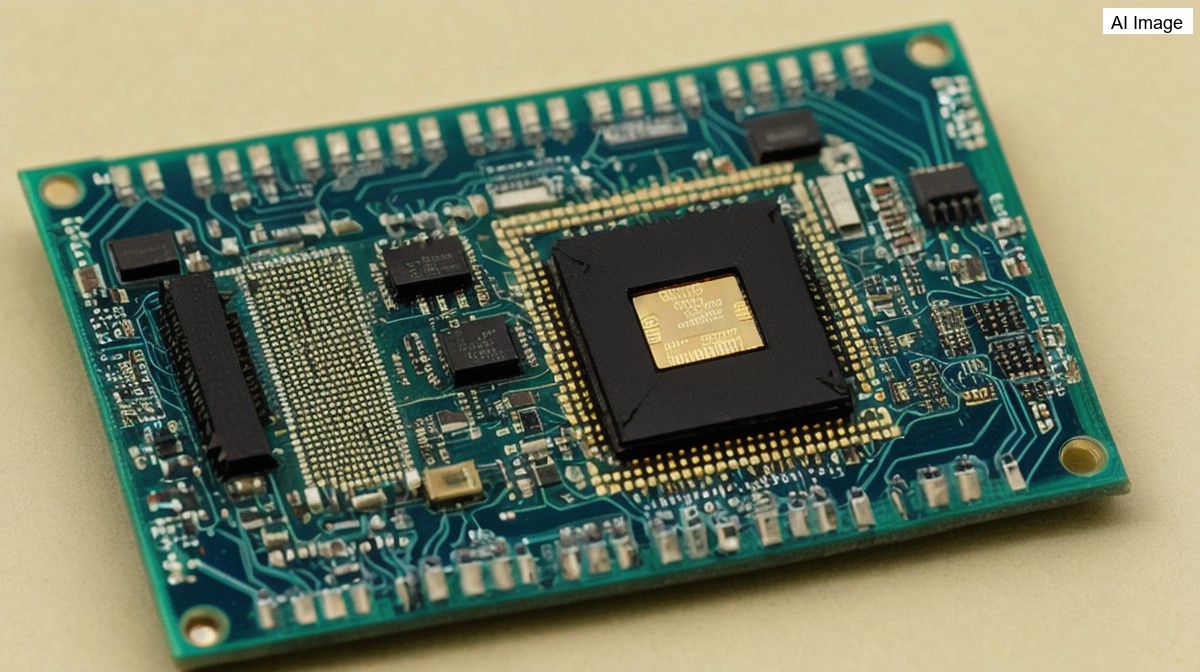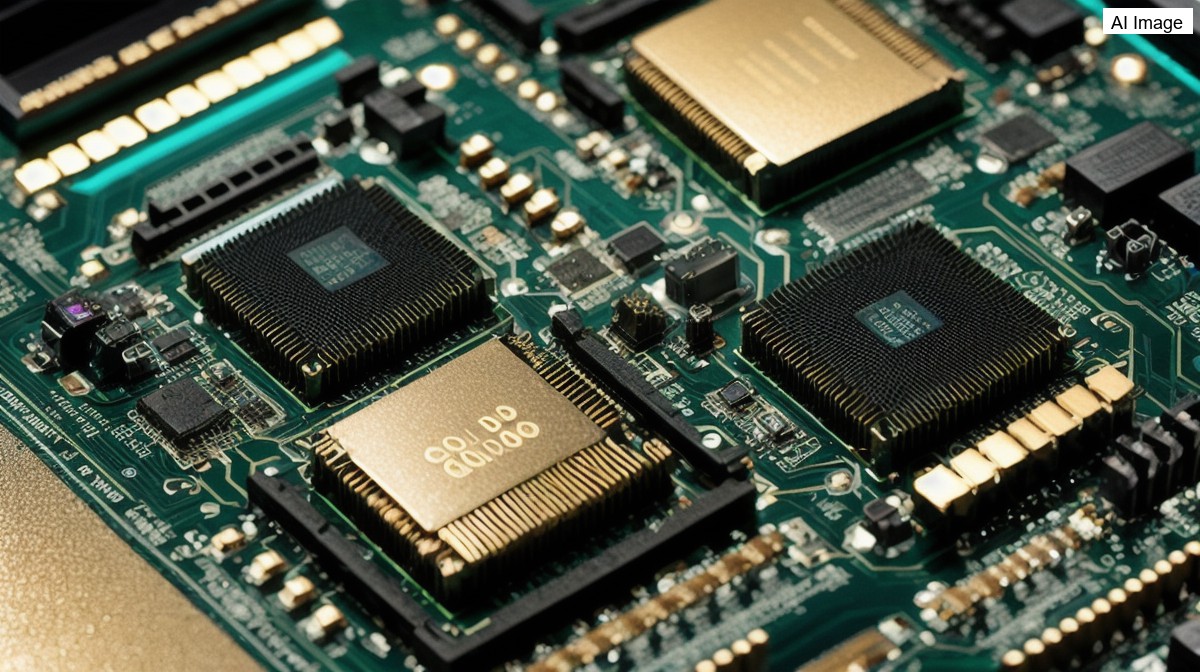
NVIDIA CEO Jensen Huang delivered a landmark announcement during his keynote address at the Computex trade show in Taipei, confirming that the company's next-generation data center processor, codenamed Vera Rubin, has entered full production. Standing before thousands of industry leaders and technology executives, Huang declared that the chip represents the next major leap in AI computing capability and is now being manufactured at scale.
Perhaps the most striking detail of the announcement was the revelation that the supply chain NVIDIA has assembled for Vera Rubin is twice as large as the one built for its predecessor, Grace Blackwell. This doubling of manufacturing infrastructure signals that NVIDIA is anticipating demand for AI processors that far exceeds anything the industry has seen to date, and that the company has invested heavily to ensure it can meet that demand without the bottlenecks that plagued earlier chip generations.
Grace Blackwell, the current generation processor, has itself been at the center of one of the most extraordinary technology booms in history, powering the data centers of every major hyperscaler from Microsoft and Google to Amazon and Meta. The fact that NVIDIA has built a supply chain double that size for Vera Rubin suggests the company and its customers expect the second wave of AI infrastructure spending to dwarf the first, with trillions of dollars flowing into data center construction worldwide.
The announcement comes amid an intensifying debate about whether AI infrastructure spending can be sustained at current levels. Critics have warned of a potential bubble, pointing to the enormous capital expenditures being committed by technology companies. However, NVIDIA's decision to invest in a supply chain of this magnitude indicates the company has visibility into customer orders and commitments that justify the expansion.
For NVIDIA's competitors, including AMD and a growing number of custom chip designers at major technology companies, the Vera Rubin announcement represents a formidable challenge. By the time rival processors reach the market, NVIDIA will already be shipping its next generation at twice the volume of its current dominant platform, making it increasingly difficult for alternatives to gain meaningful market share.
Industry analysts at the Computex conference noted that the Vera Rubin production announcement, combined with the RTX Spark consumer chip unveiling at the same keynote, demonstrates NVIDIA's strategy of maintaining technological leadership across both data center and personal computing markets simultaneously. The company is effectively fighting a two-front war against Intel in PCs and against AMD and custom silicon in data centers.
The Vera Rubin chip is named after the American astronomer whose work on galaxy rotation curves provided evidence for the existence of dark matter. NVIDIA has maintained a tradition of naming its chip architectures after notable scientists, with previous generations including Turing, Ampere, Ada Lovelace, and Hopper. The full production status means that Vera Rubin-based systems should begin appearing in customer data centers in the coming months, further cementing NVIDIA's position at the center of the global AI revolution.